
Enough Lids in Total, but Not Enough of the Right Design: Reconcile Components by Version
Updated:
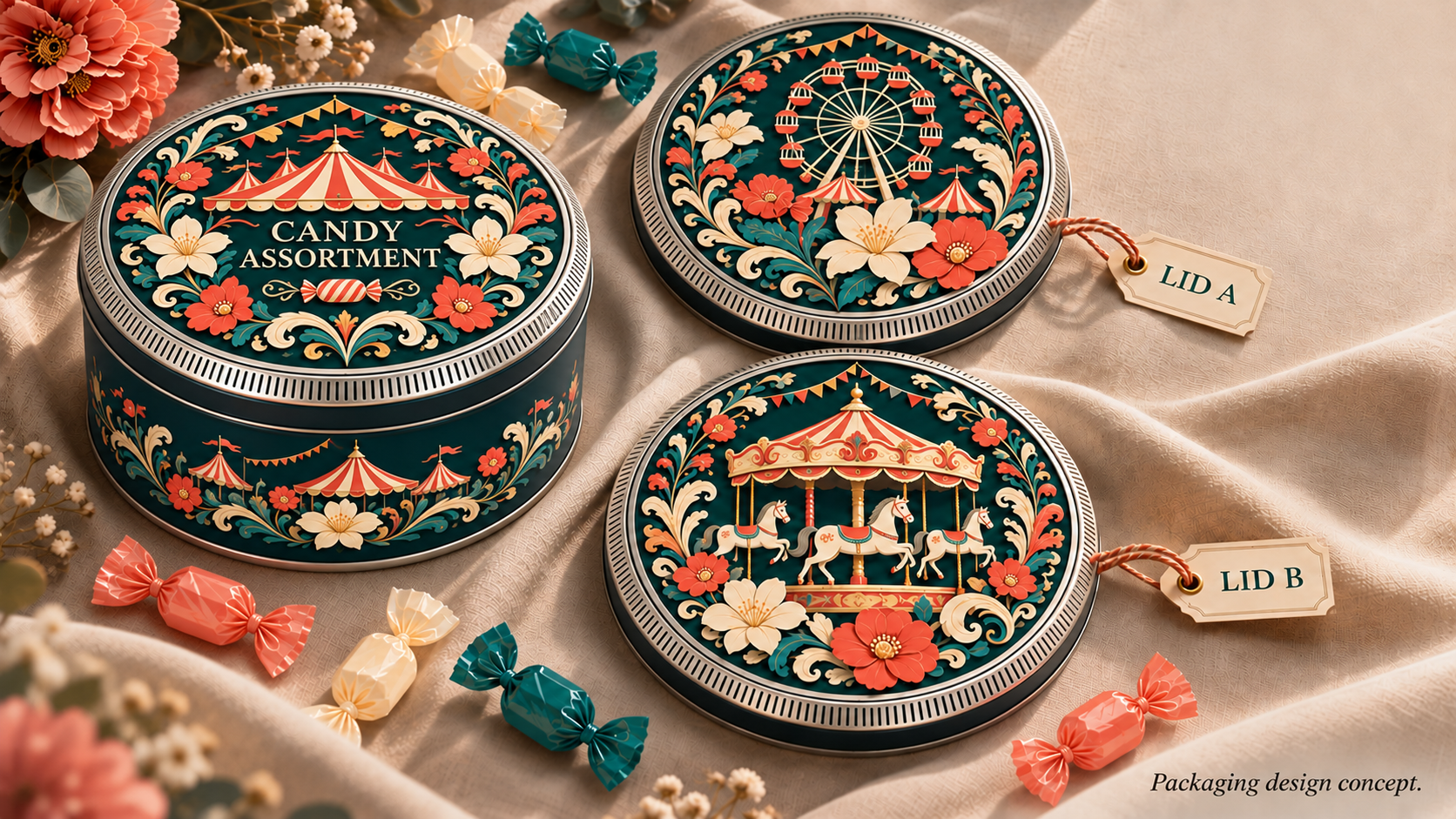

Plan complete configurations rather than adding all component receipts together. A shared body can support several artwork-specific lids, but a total lid count alone does not show that the requested assortment can be assembled.
Use a pairing worksheet
The rows illustrate reference structure, not actual inventory. Record quantities using the buyer's process and do not prescribe an extra-component allowance from this example.
| Planned configuration | Body reference | Lid version | Other component | Status to resolve |
|---|---|---|---|---|
| Design A pack | Agreed body | Artwork A | Relevant insert | Identity, quantity and release state |
| Design B pack | Agreed body | Artwork B | Relevant insert | Identity, quantity and release state |
| Pending revision | Proposed body | Revised lid | To be identified | Do not mix with released combinations |
Separate shortage from a version mismatch
In a hypothetical order, overall lid receipts match the total plan but the artwork split differs. A total-count reconciliation misses the problem. Identify the affected configurations and communicate the actual delivered split against the agreed requirement.
Keep items awaiting review distinguishable from those available for issue. The responsible process determines availability; this worksheet does not authorise release or rejection.
Request the remaining scope precisely
State the component reference and version needed for each configuration. Keep requested delivery and supplier-confirmed action separate. Do not assume substitution, replacement or compensation has already been accepted.
Discuss split-component scope through the engineering inquiry and consult the catalogue for candidate formats.
Are all lids interchangeable because the body is shared?
No automatic conclusion follows. Artwork, dimensions, components and the accepted configuration determine the relevant pairing.