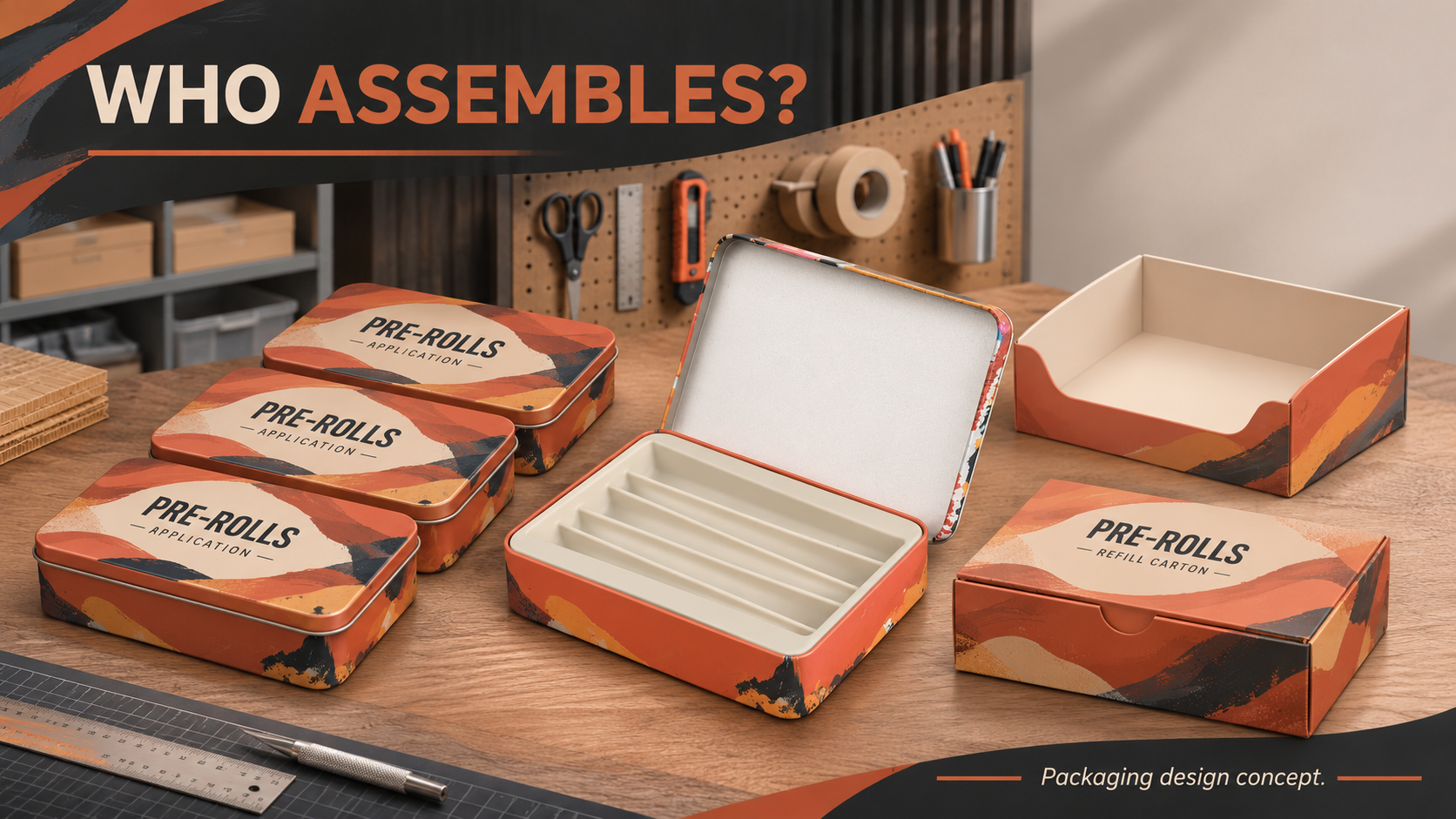

Buying guidesRequest a preassembled mixed display when the store must receive a ready-to-place assortment. Request an empty tray and identified refill stock when the store will replenish individual positions. If staff must unpack single-design cartons to rebuild a mixed display, assign that task in the quote; changing lid artwork will not remove it.
Read guide → 
Buying guidesChoose preassembly when the offer has a fixed contents list and the warehouse should pick one complete set. Compare order-time assembly when the same tins serve changing combinations. In that case, include the outer component and assembly task in the fulfilment proposal. Neither route is cheaper until its complete scope is priced.
Read guide → 
Buying guidesIf the code resolves to another sellable item, return the identifier-to-item mapping to the data owner. If the mapping is right but the preview uses an older code, reconcile the artwork files. If both agree and only the finished mark raises concern, submit the actual decorated sample for the appropriate evaluation. A new screenshot solves none of those three questions by itself.
Read guide → 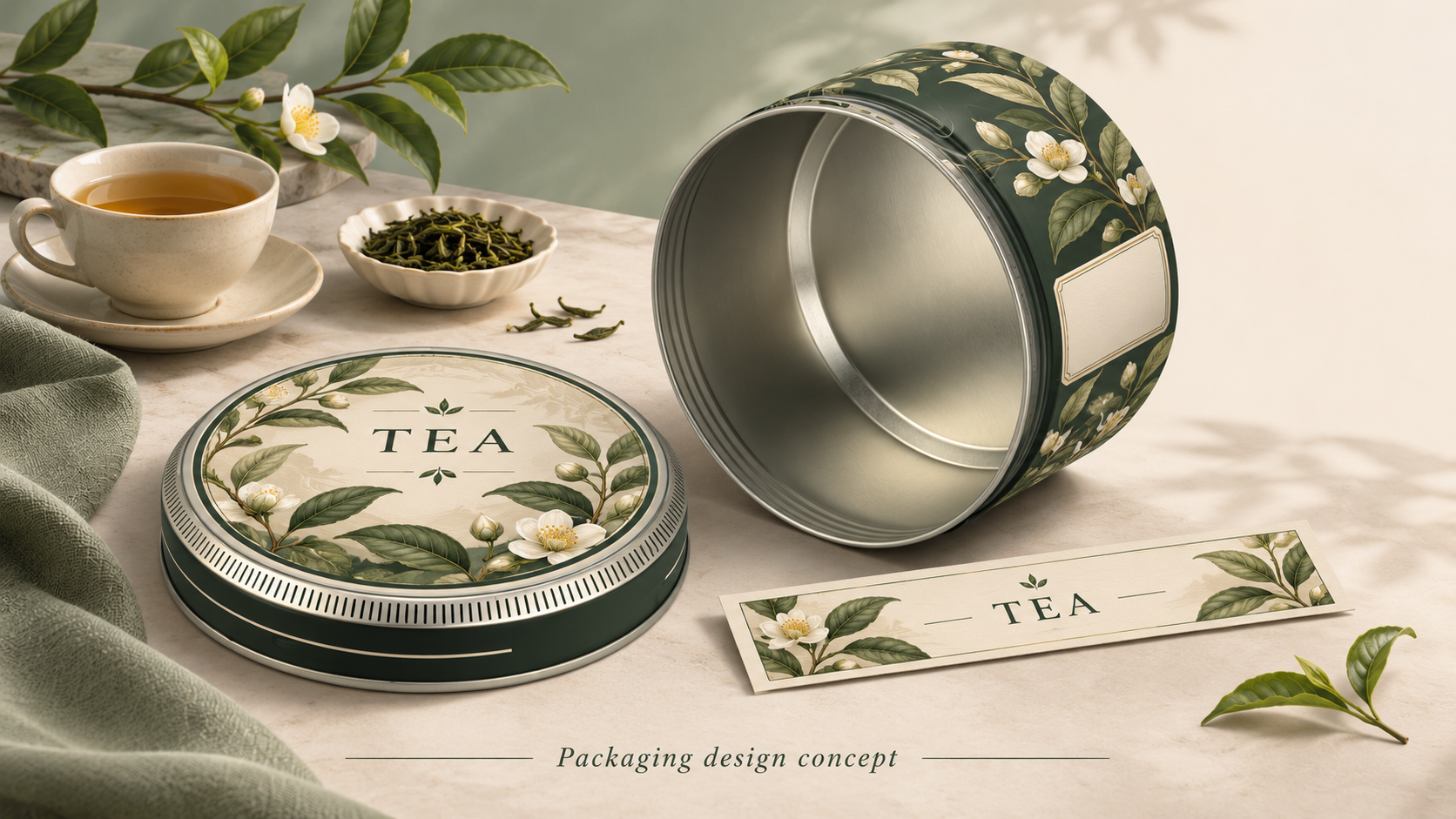
Buying guidesFixed decoration can progress only within a defined scope that leaves later-data decisions open. Compare a supplier-applied operation with a packer-applied operation using the real point at which data becomes available. If nobody owns that operation, a reserved blank area is an unresolved dependency rather than a completed solution.
Read guide → 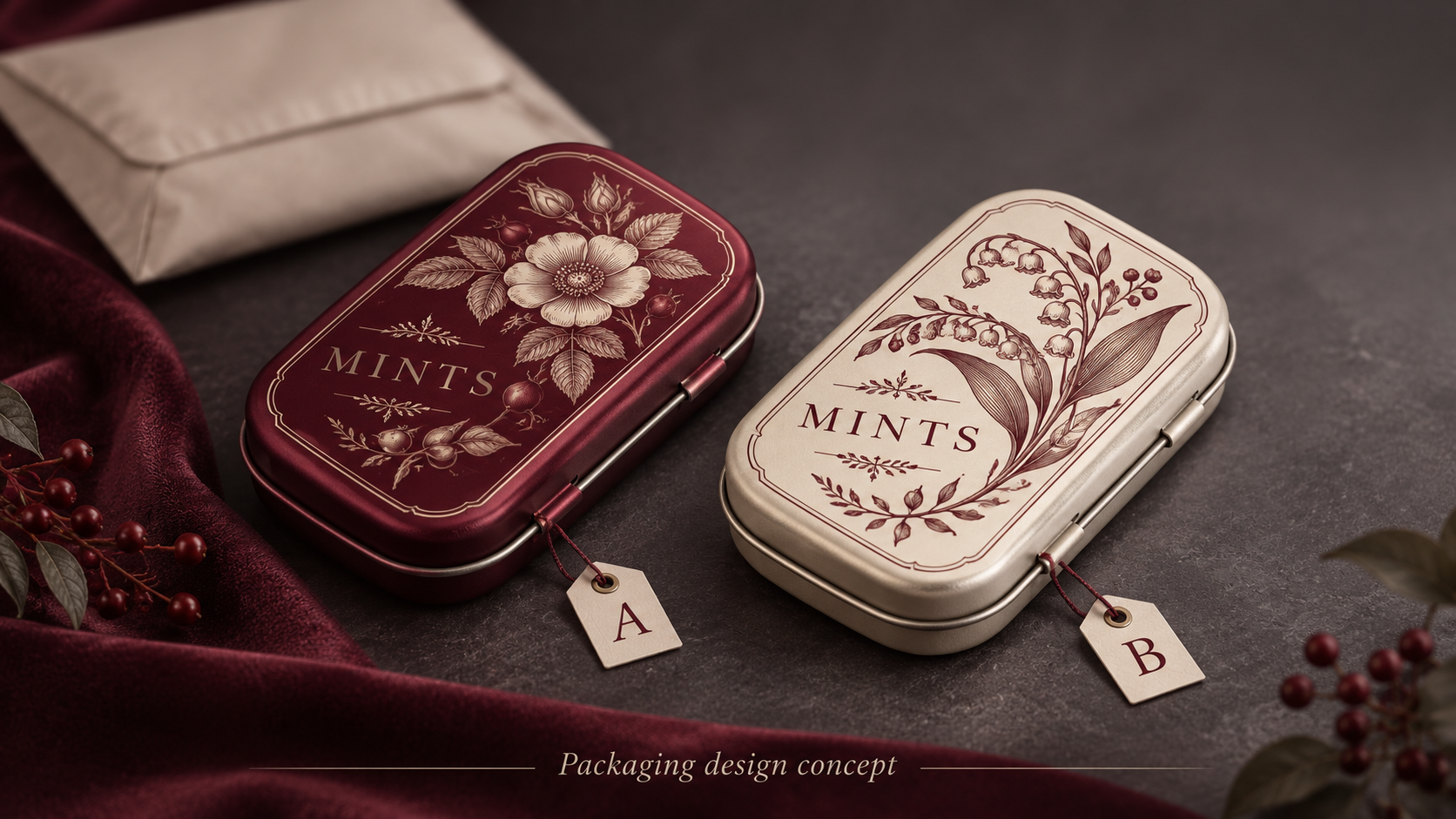
Buying guidesStart separate comparison groups when component versions differ. Within a known configuration, distinguish a customer description from the condition actually received. If history is missing, compare only what is supported. Similar appearance alone does not establish a common cause, affected quantity or remedy.
Read guide → 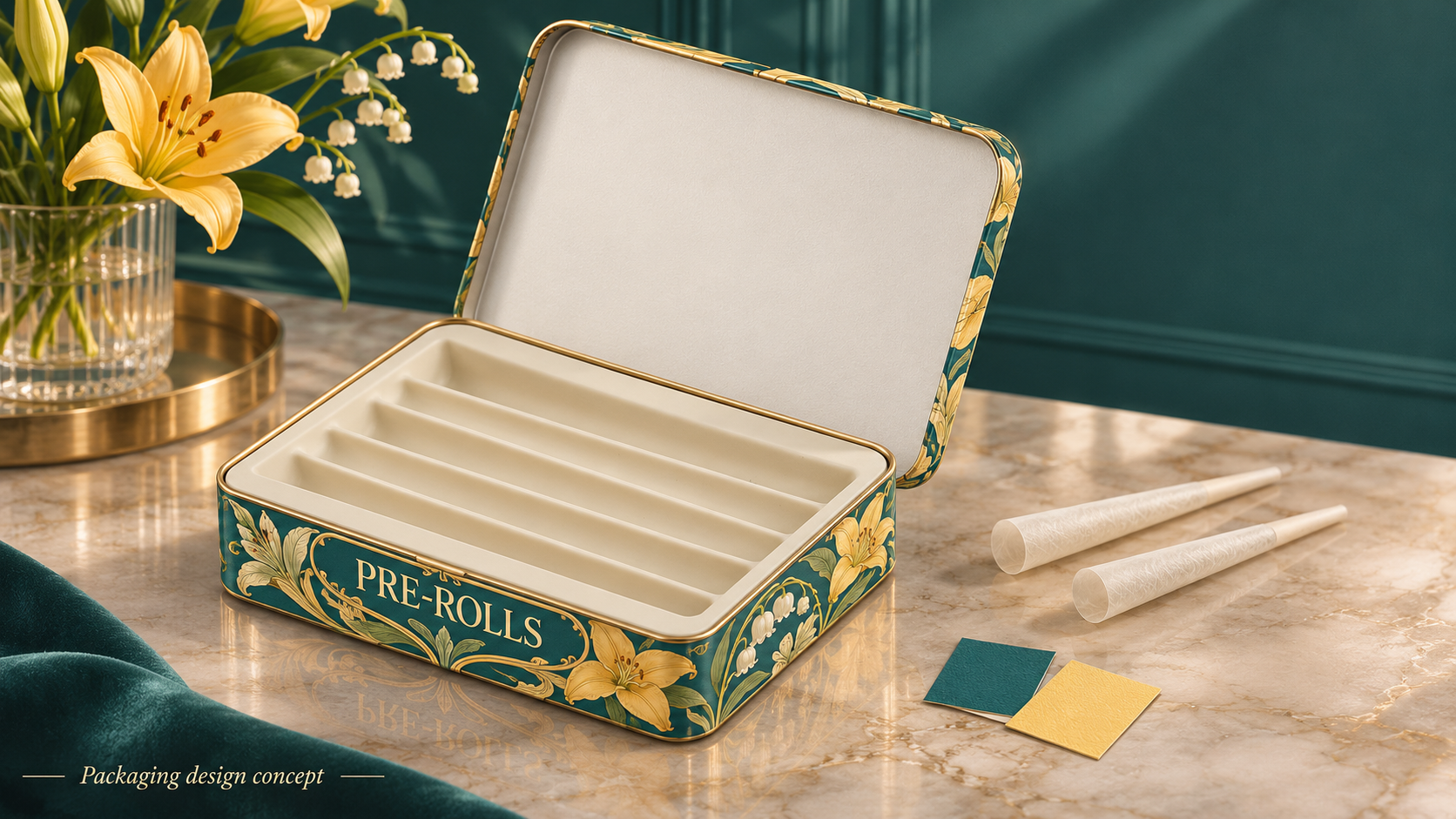
Buying guidesKeep a showroom finish sample when the decision concerns appearance. Request a configuration-specific proposal when the unresolved issue is count, wrapping, loading or retrieval. If the demonstration uses different contents, identify that difference before asking for a sample; rearranging display props does not establish product fit.
Read guide → 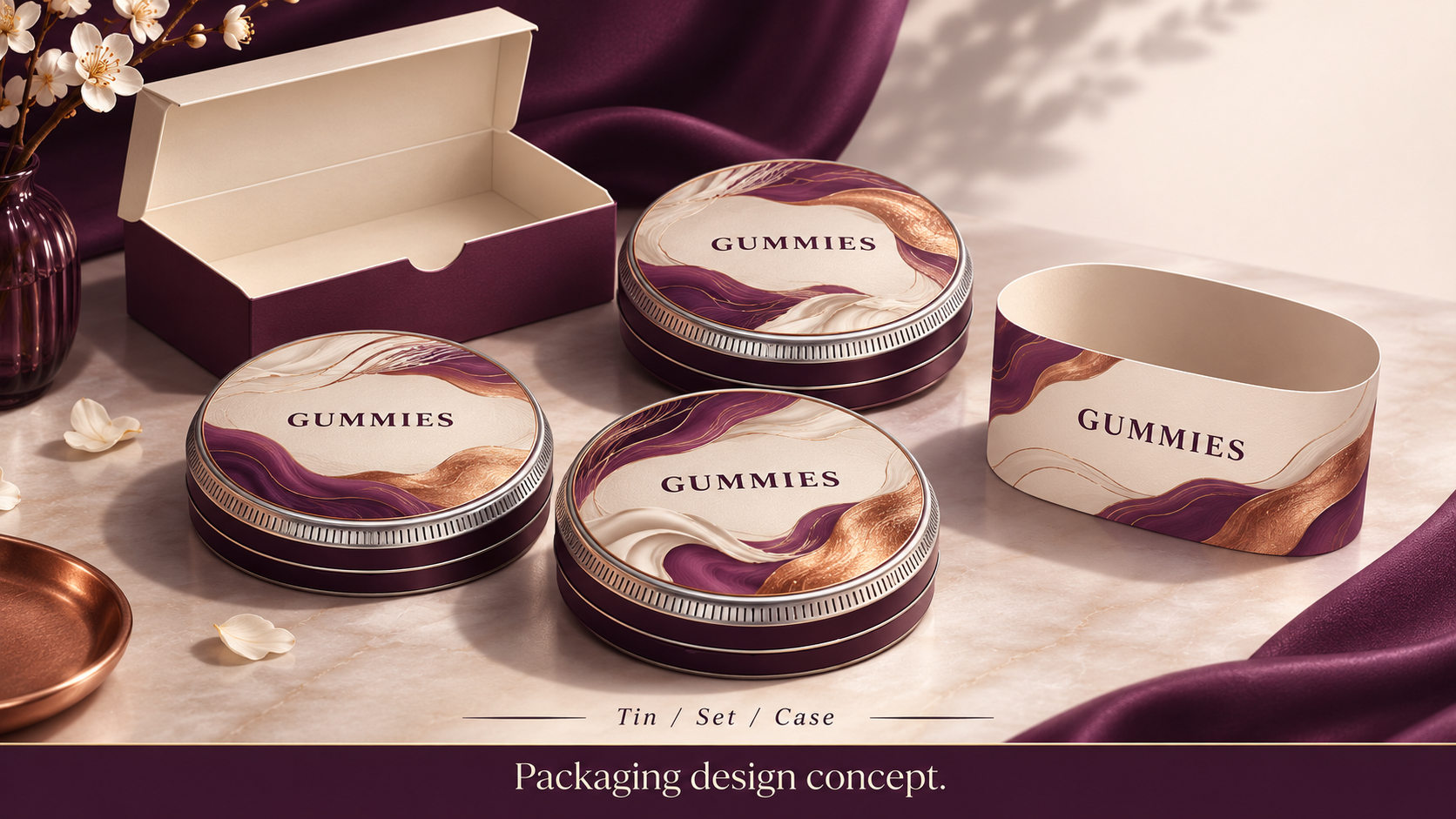
Buying guidesFor a purely illustrative offer of three tins per consumer set and four sets per shipping case, one case contains twelve tins. That arithmetic still does not tell you whether the quotation includes the set outer component or assembly. Compare prices at the same delivered-unit level, with the assortment and exclusions visible. These numbers are an example, not an available pack configuration.
Read guide → 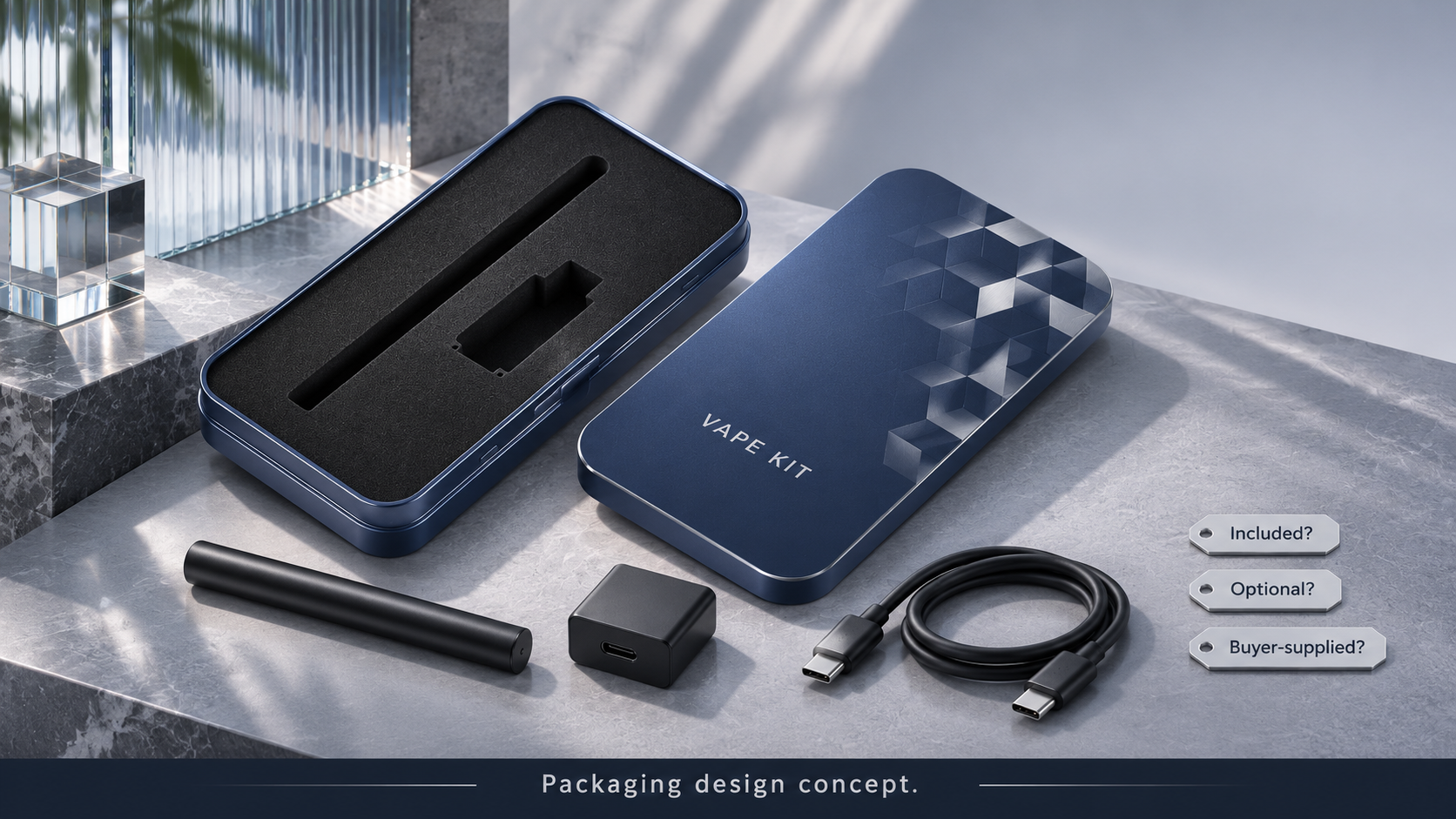
Buying guidesAn accessory in a rendering may be included, optional or supplied by the buyer. For an included item, require an identified supply line; for an optional item, price a separate kit version; for a buyer-supplied item, define the handoff to whoever assembles it. A cavity cannot establish what the customer is buying.
Read guide → 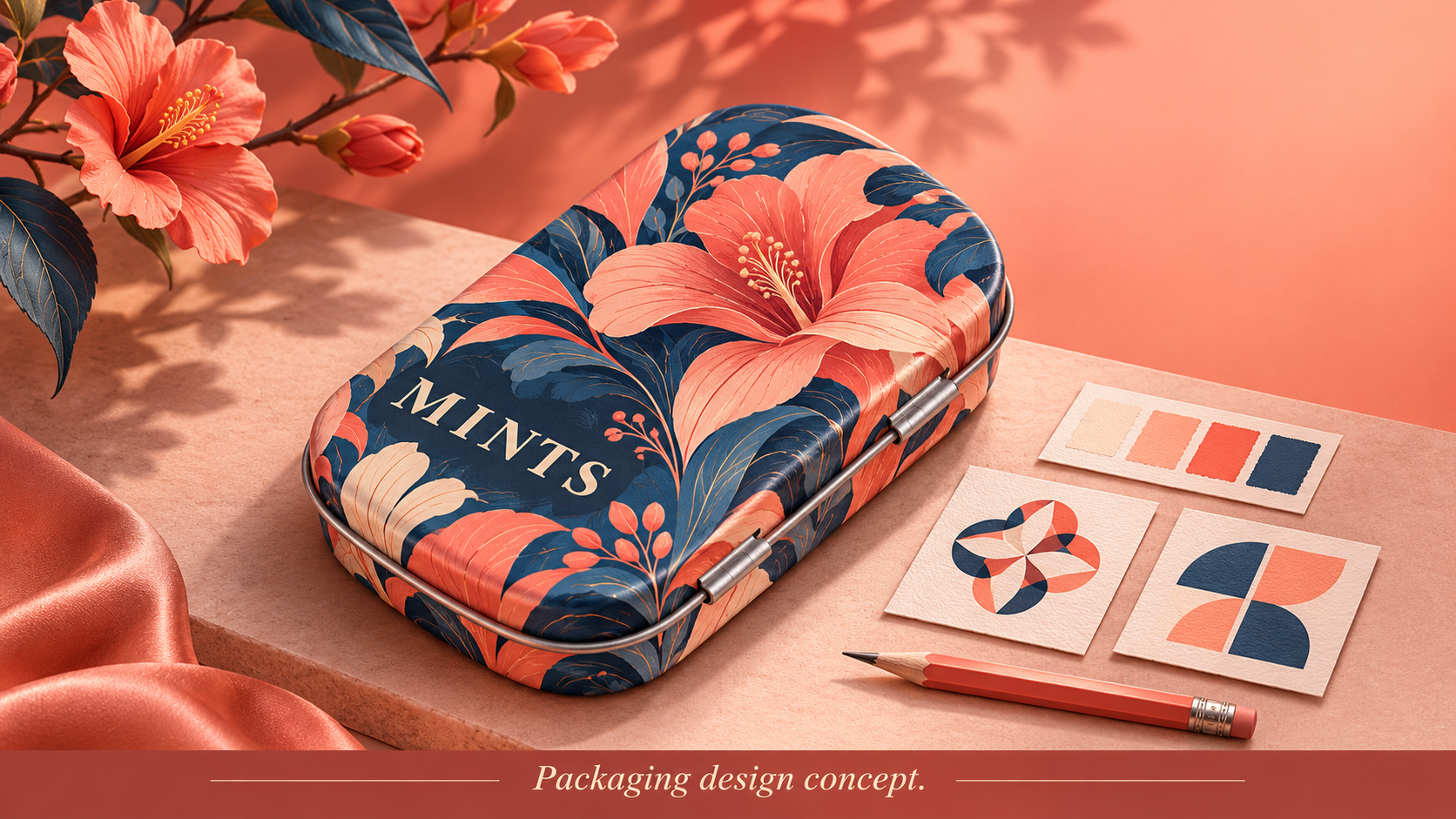
Buying guidesWhen a partner changes a logo, identify the replacement asset and compare the affected layout, wording and production file with the released version. Obtain the decisions required for those changes. If work has already been released, ask the supplier what stage it has reached before treating a new attachment as a stop or replacement instruction.
Read guide → 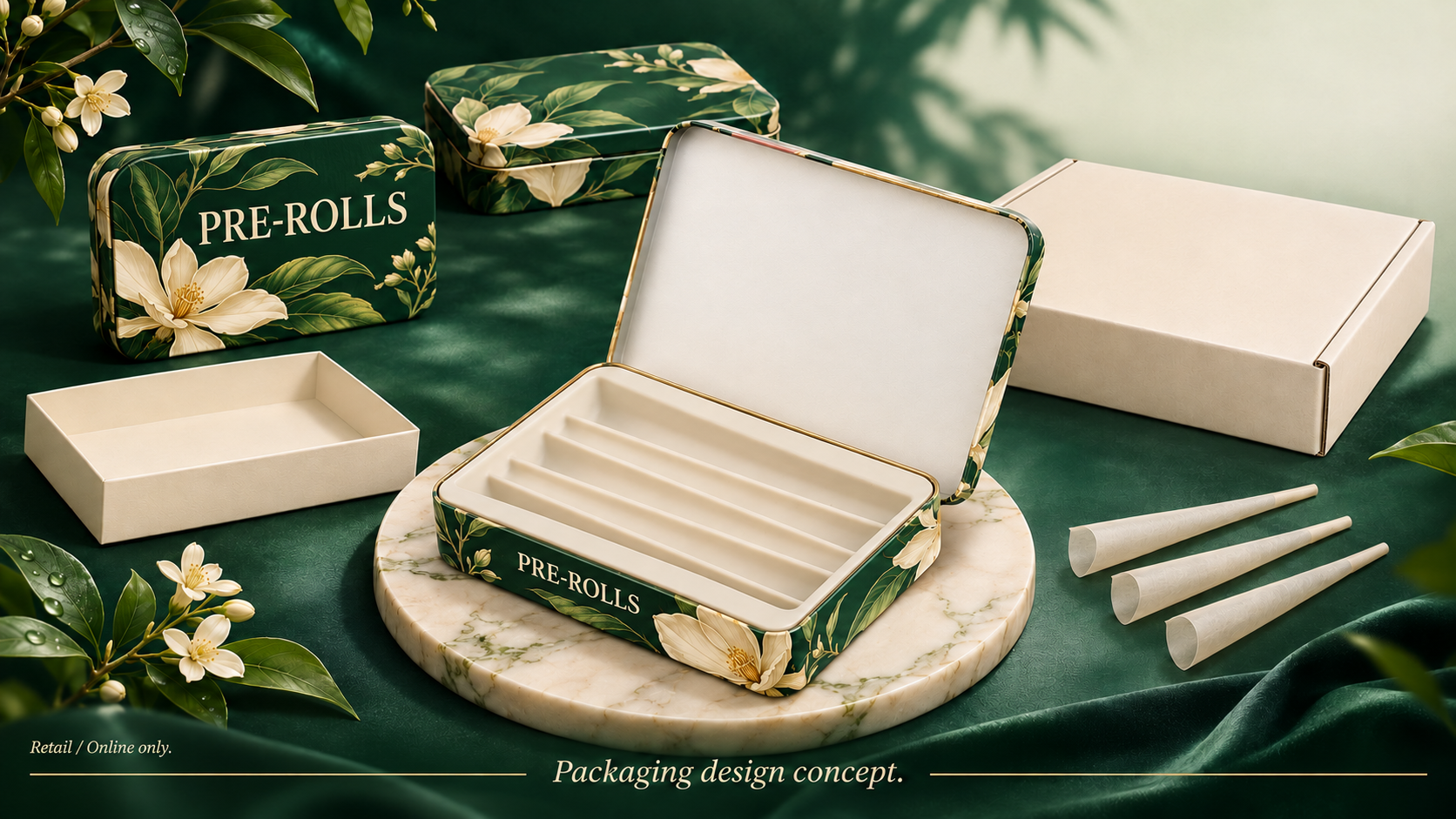
Buying guidesA retail display and an online loose tin may share an identified decorated body, lid and insert while requiring different outer components and packing work. Compare a common component quantity plus separate packing scopes with separate complete assemblies. If the actual components differ, keep those quantities separate until the supplier reviews the proposal.
Read guide → 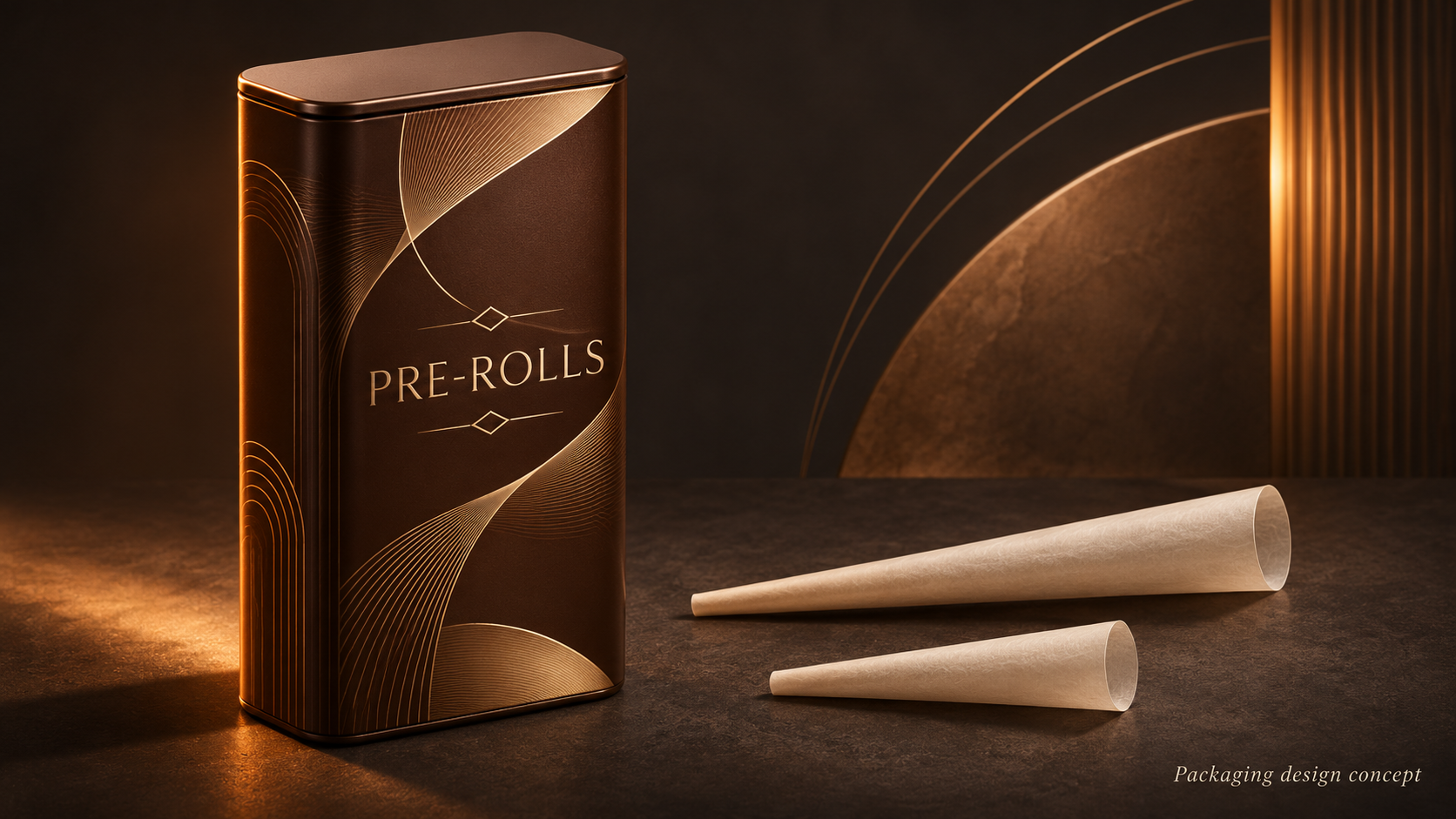
Buying guidesA longer product fitting inside a tin does not settle whether the same arrangement works for a shorter variant. First identify the failure that matters: unwanted movement, difficult removal, poor presentation or a packing mix-up. Then compare one common arrangement, a shared body with variant-specific inserts and separate complete packs against that task.
This is an editorial decision example, not a report of a customer incident or a verified design result.
Read guide → 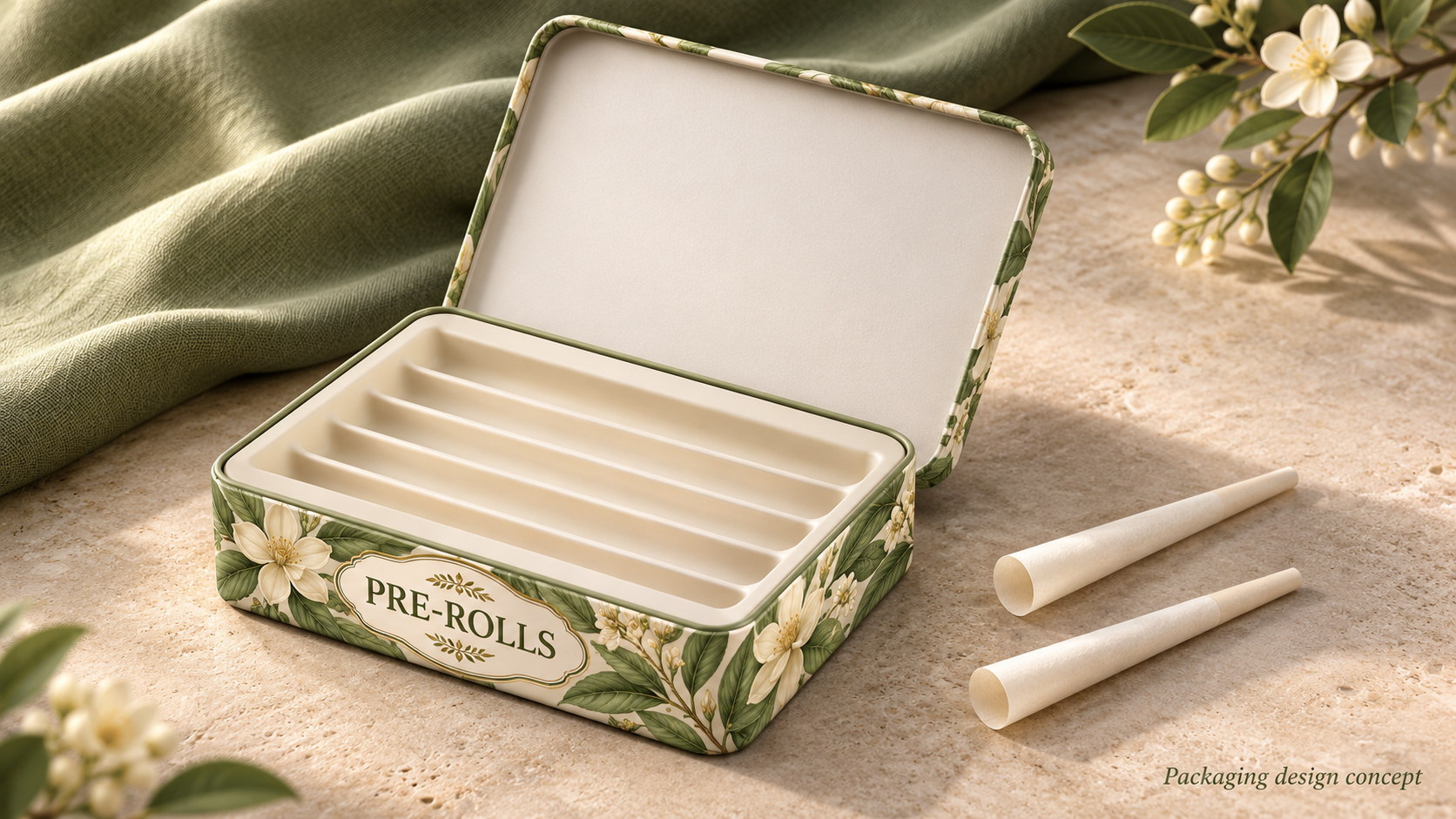
Buying guidesBefore changing the insert material, establish when the mark became visible and which surfaces and handling actions were involved. A mark observed after removal is a useful symptom, but it does not by itself identify its cause. Preserve the product and configuration references so the next comparison answers a defined question.
The scenario is editorially inferred, not a customer case. This article proposes a purchasing investigation brief, not a validated test method.
Read guide → 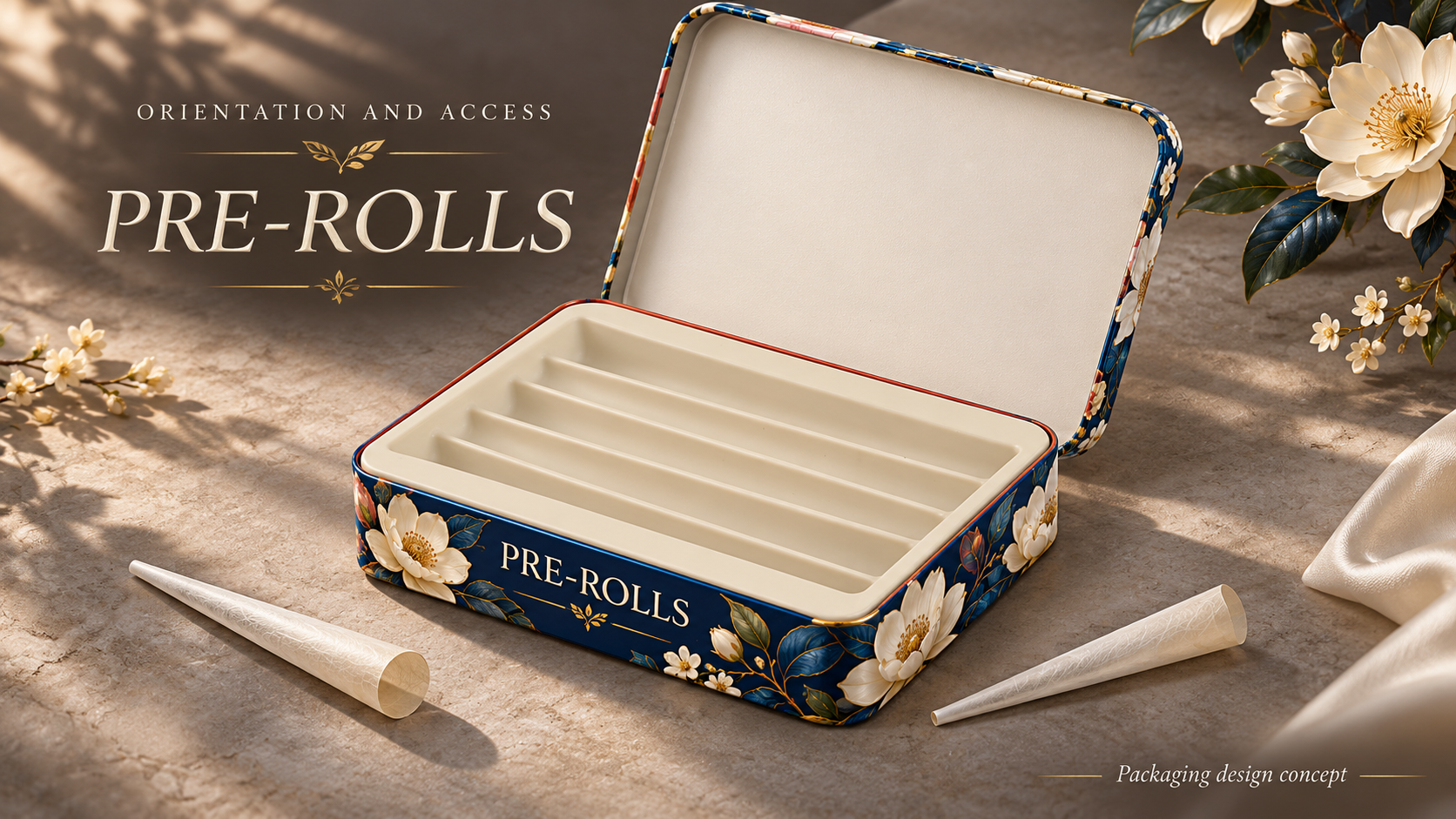
Buying guidesTreat visual orientation, loading and user access as connected tasks. If reversing the product improves the first view but hides the intended grasp region, compare another access arrangement before approving the direction. The decision is about a complete proposed layout, not which photograph looks best.
Read guide → 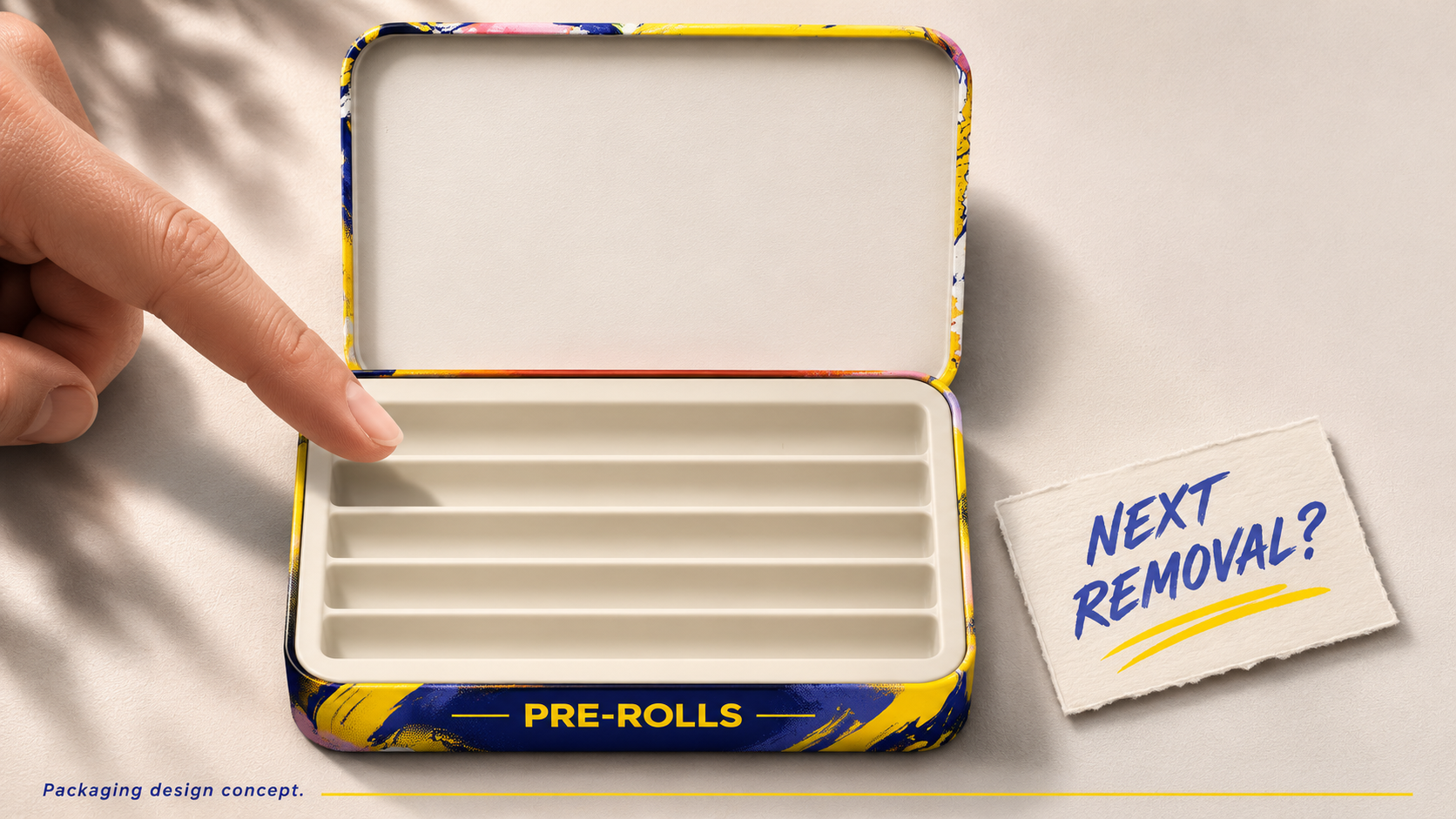
Buying guidesA full pack can present well while leaving a different problem after the first product is removed. Before requesting a tighter insert or another tin, distinguish three observations: remaining products change position, the intended grasp point becomes unavailable, or the user must follow an unexpected removal sequence. These lead to different proposals.
Read guide → 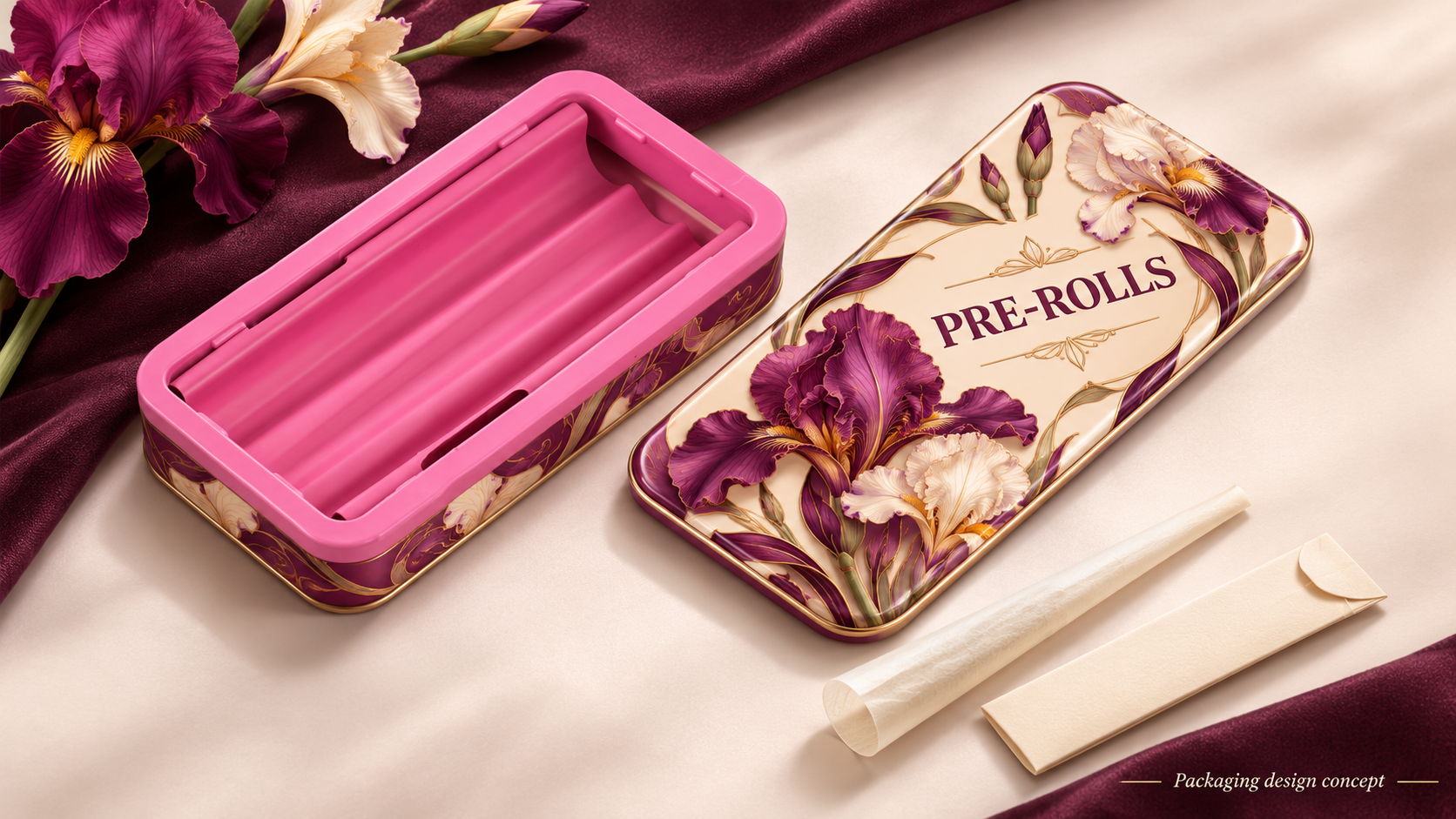
Buying guidesUse the product as it will enter the tin, including its sleeve and wrapping features. A bare-product approval cannot answer a new question about the wrapped form. First distinguish a larger physical envelope from a different grasp or removal action, then compare the affected proposals.
Read guide → 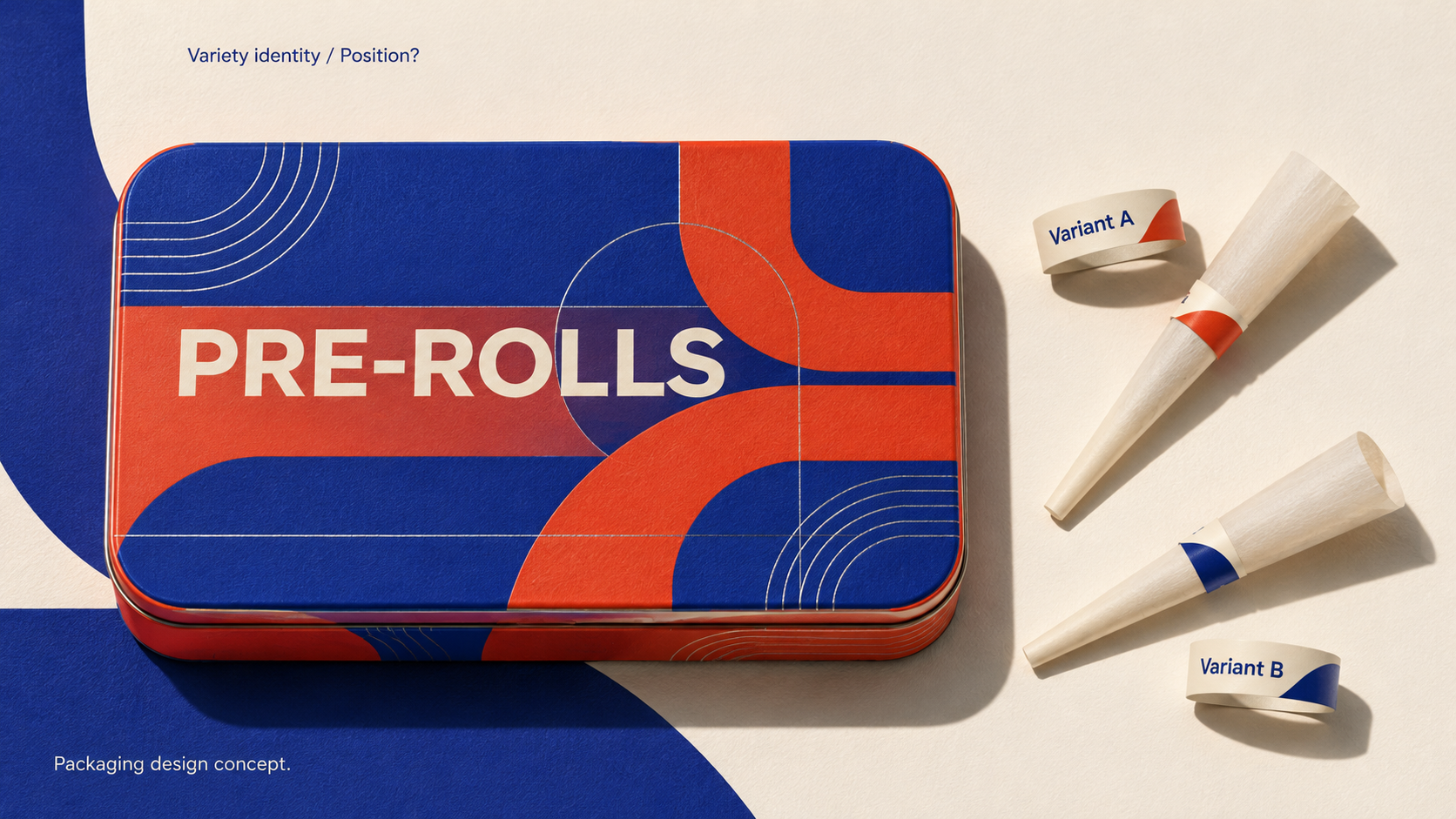
Buying guidesDecide whether product position is supposed to communicate variety identity. If it is, the arrangement and accompanying information need to be reviewed together. If it is not, avoid text or graphics that imply a fixed mapping unsupported by the intended pack. This is an editorial design question, not a determination of legal label requirements.
Read guide → 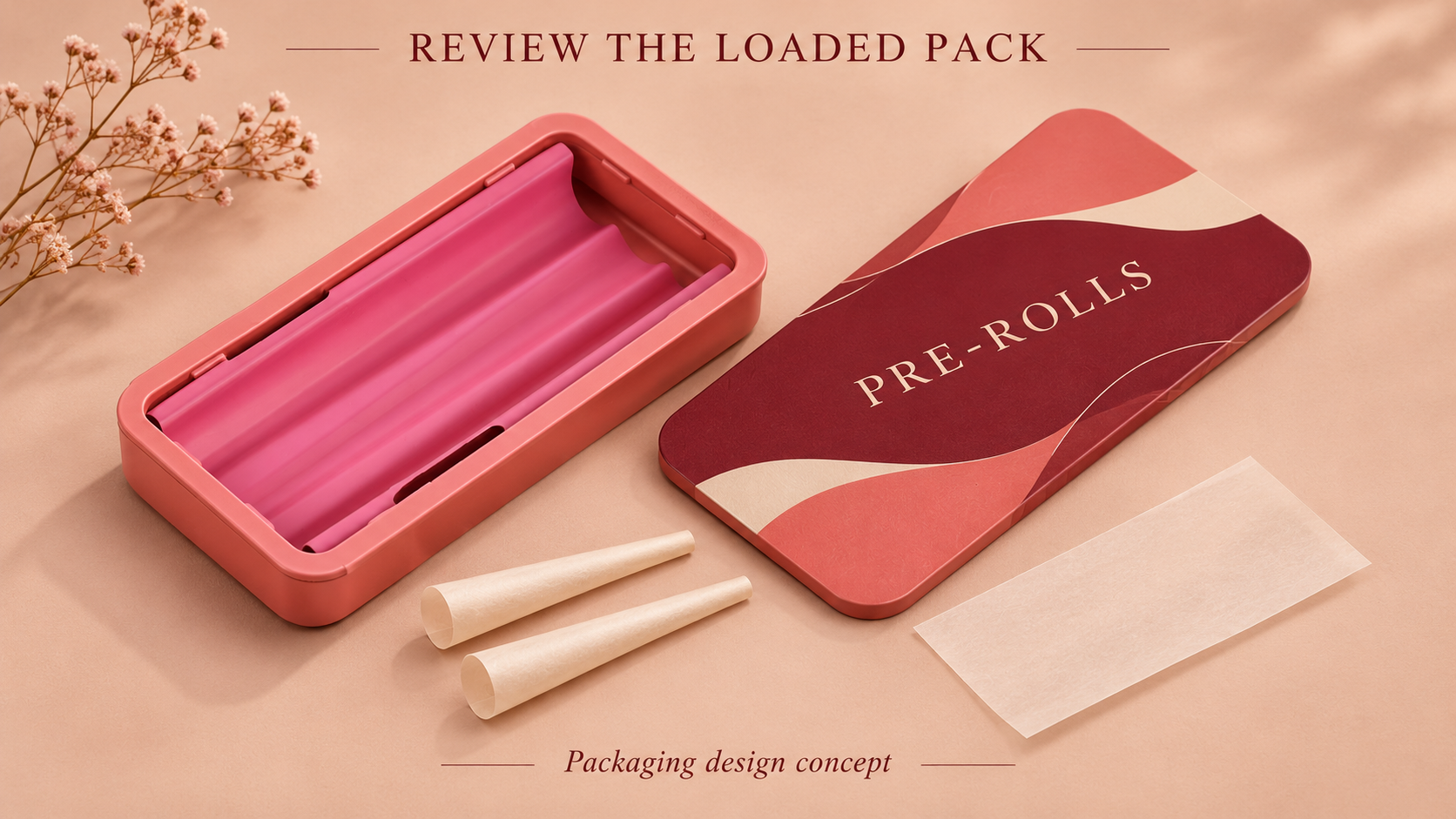
Buying guidesCompare the actual empty and loaded configurations before deciding whether to revise the arrangement or evaluate another tin.
Read guide → 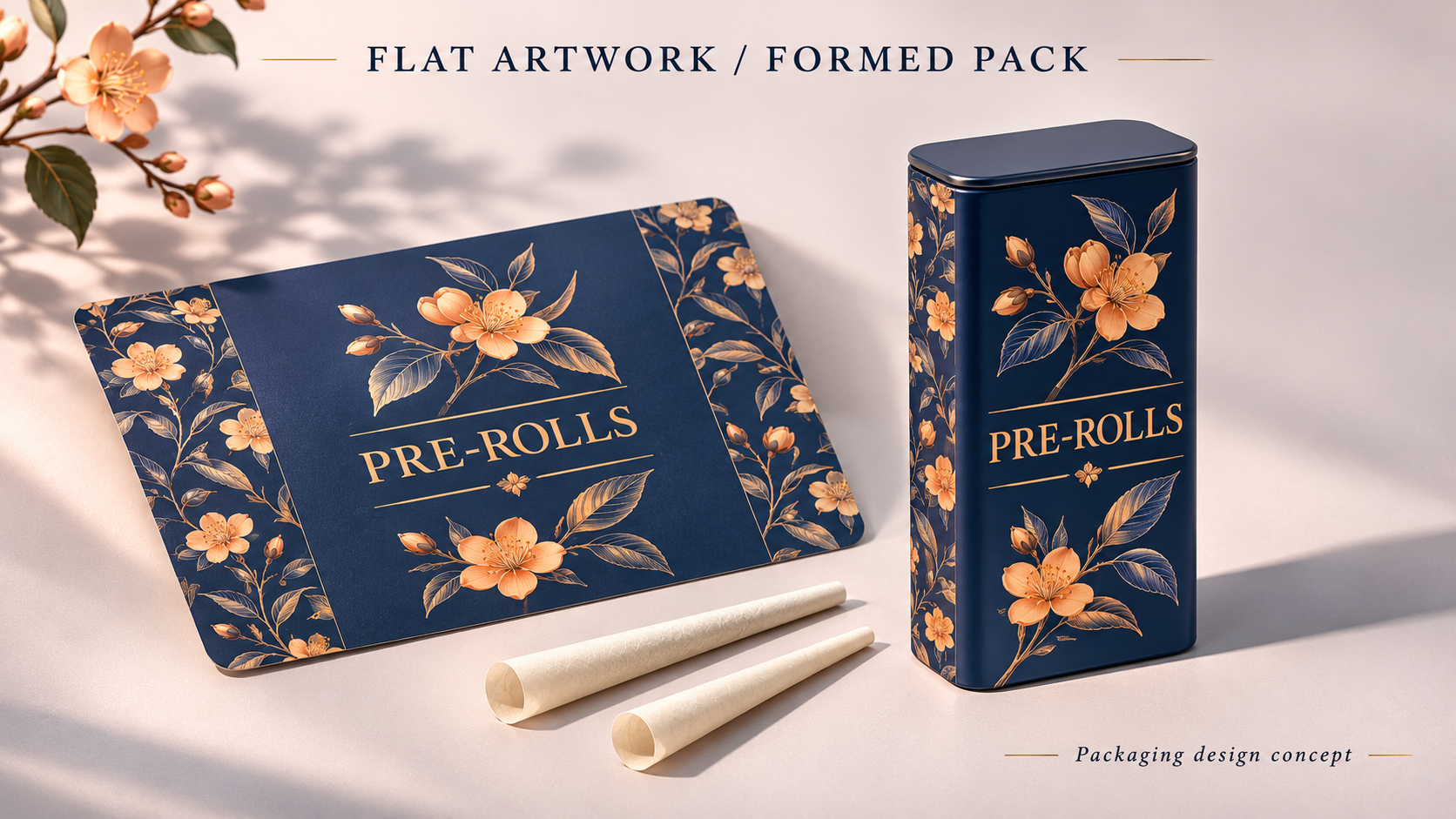
Buying guidesSeparate a content problem from a placement, opening-action or later-application problem before moving or shrinking information. Each needs a different next decision. Use assembled views and the actual content status, then route legal or technical questions to the responsible reviewer rather than inferring an acceptable result from spare space.
Read guide → 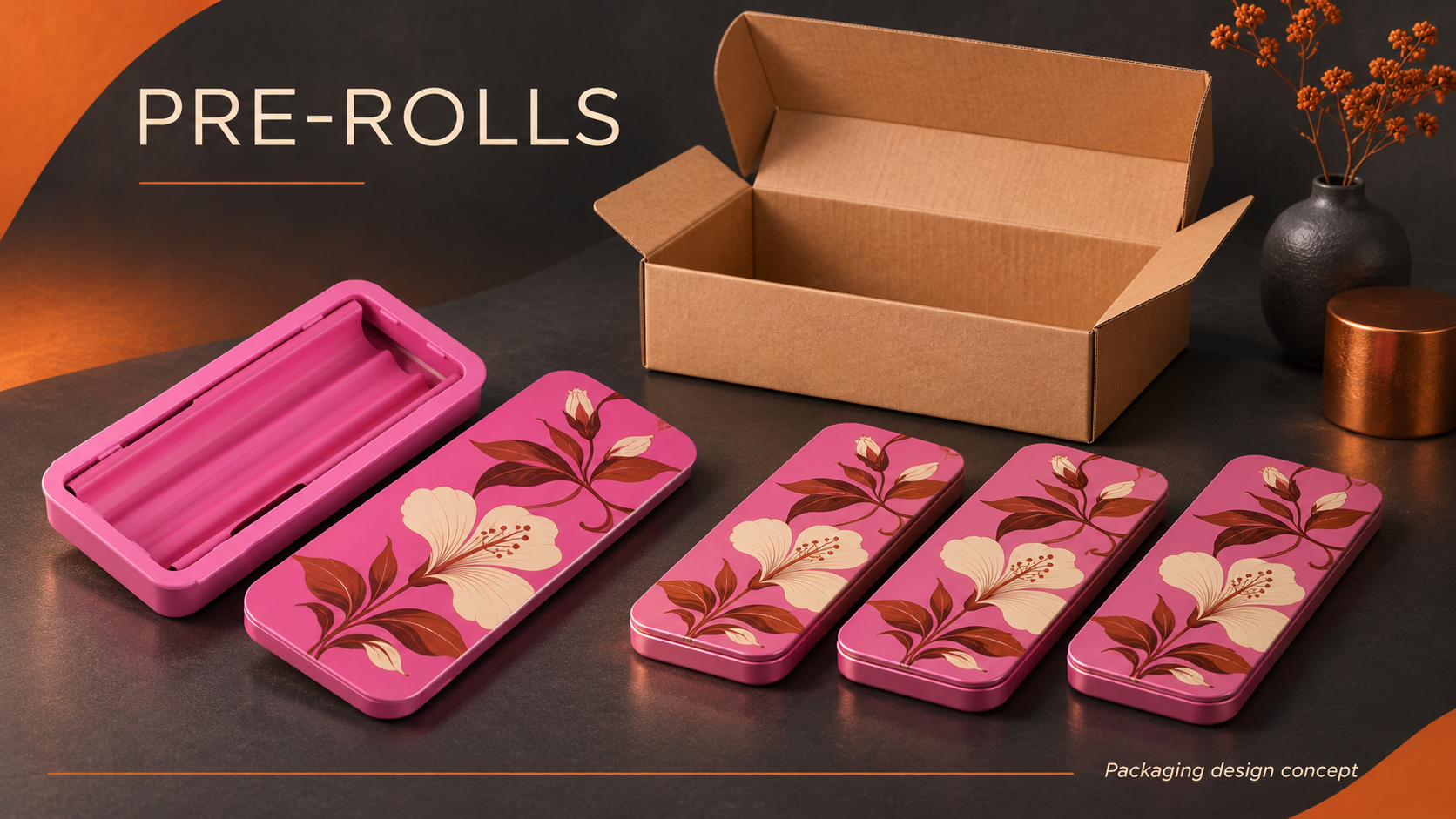
Buying guidesA correct delivery quantity can still leave sorting, orientation or identification work unassigned. Compare the incoming carton with the next task at receiving and the packing station. The relevant proposal may change grouping or local staging rather than the tin itself; transport protection remains a separate question.
Read guide → 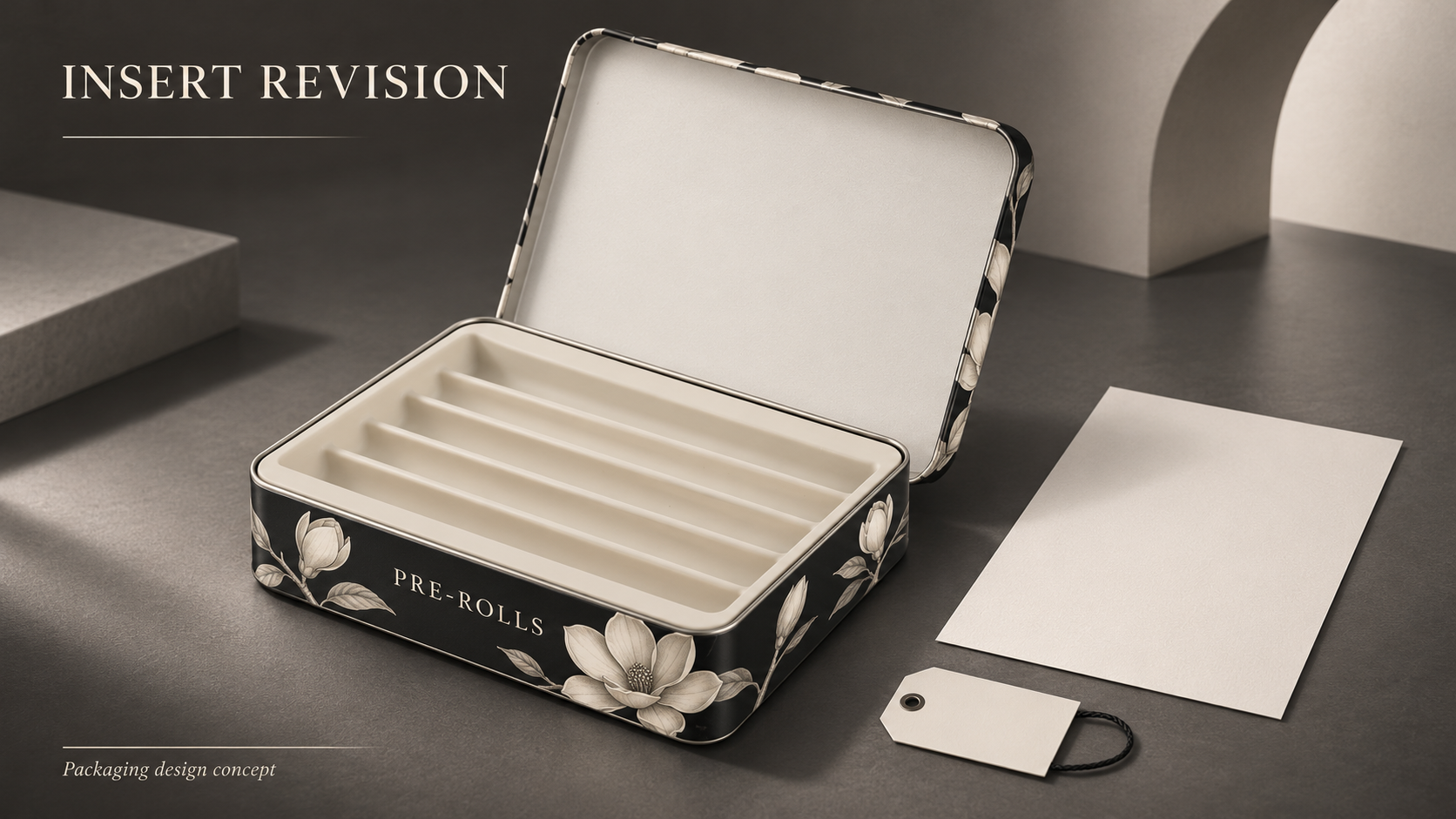
Buying guidesAn unchanged tin does not mean an unchanged packed configuration. Map the old and proposed insert to the tasks they support, then reopen the decisions whose inputs change. The useful choice is neither automatic full reapproval nor automatic reuse of every earlier acceptance.
Read guide → 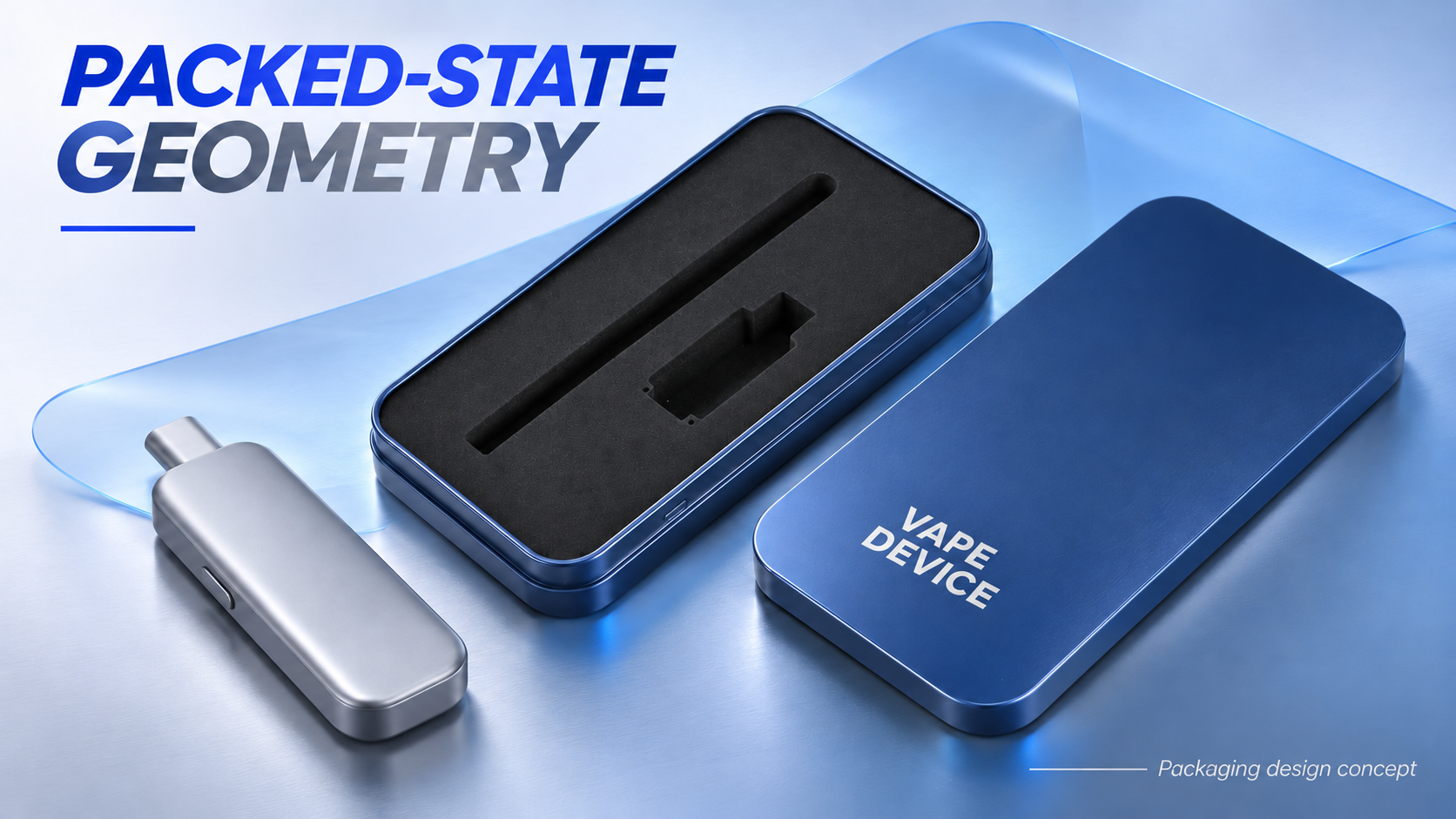
Buying guidesWhen a proposed insert accepts the outline on a drawing but not the intended device, first compare the packed product with the drawing input. A missing cover, projecting control or changed accessory state can make the original comparison incomplete. Another possibility is that the device enters its location but cannot follow the intended loading or removal path. Distinguish those questions before selecting a larger tin.
Read guide → 
Buying guidesA device can fit its cavity while the finished kit still fails. A cable may rise above its pocket, a folded card may occupy closed clearance, or a protective cover may change the device envelope. Start by finding which added item changes the result. A larger tin is one option, but it should not be the automatic response to a problem that belongs to the bundle, loading sequence or insert arrangement.
Read guide → 
Buying guidesDo not make the whole cavity looser before identifying why removal is difficult. The user may lack an accessible grasp point, the proposed support arrangement may constrain movement, or the exit path may conflict with another component. Compare those questions separately before choosing a revised layout.
This is an editorially inferred buyer problem, not a customer interview or a validated usability result. The review described here sets no force limit or universal finger-clearance rule.
Read guide → 
Buying guidesDefine the cable in its incoming packed form, including ties, connector housings and labels. Advertised length does not establish the bundle footprint. Compare a ready-to-load accessory with a proposal that requires local bundling before choosing the layout and assembly scope.
Read guide → 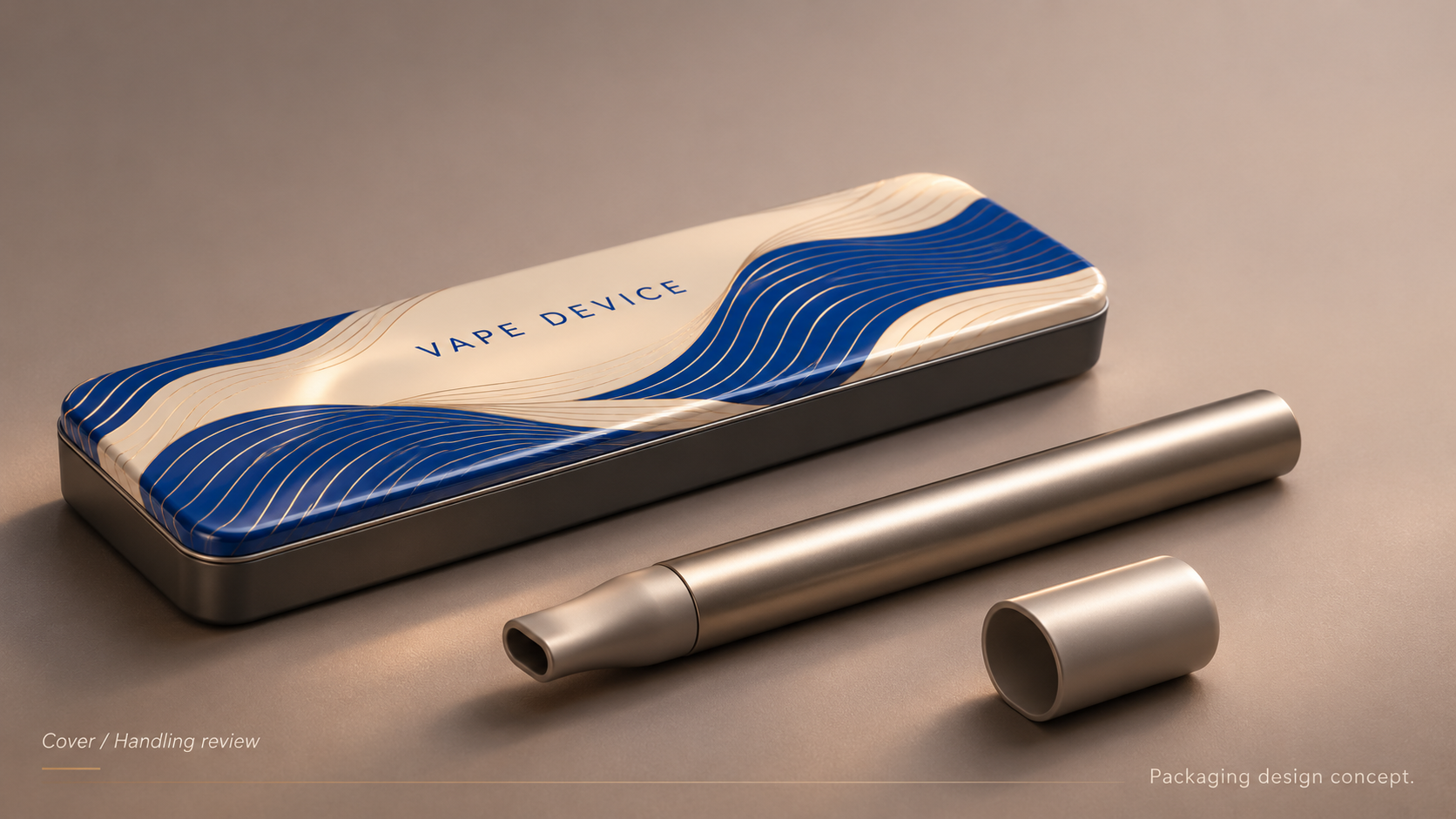
Buying guidesReview the stage at which contact matters, not only the resting display. Identify the intended protected region and support surfaces using the actual product reference. A gap observed in one view is not evidence of cleanliness, hygiene or safety, and this tool establishes none of those conclusions.
Read guide → 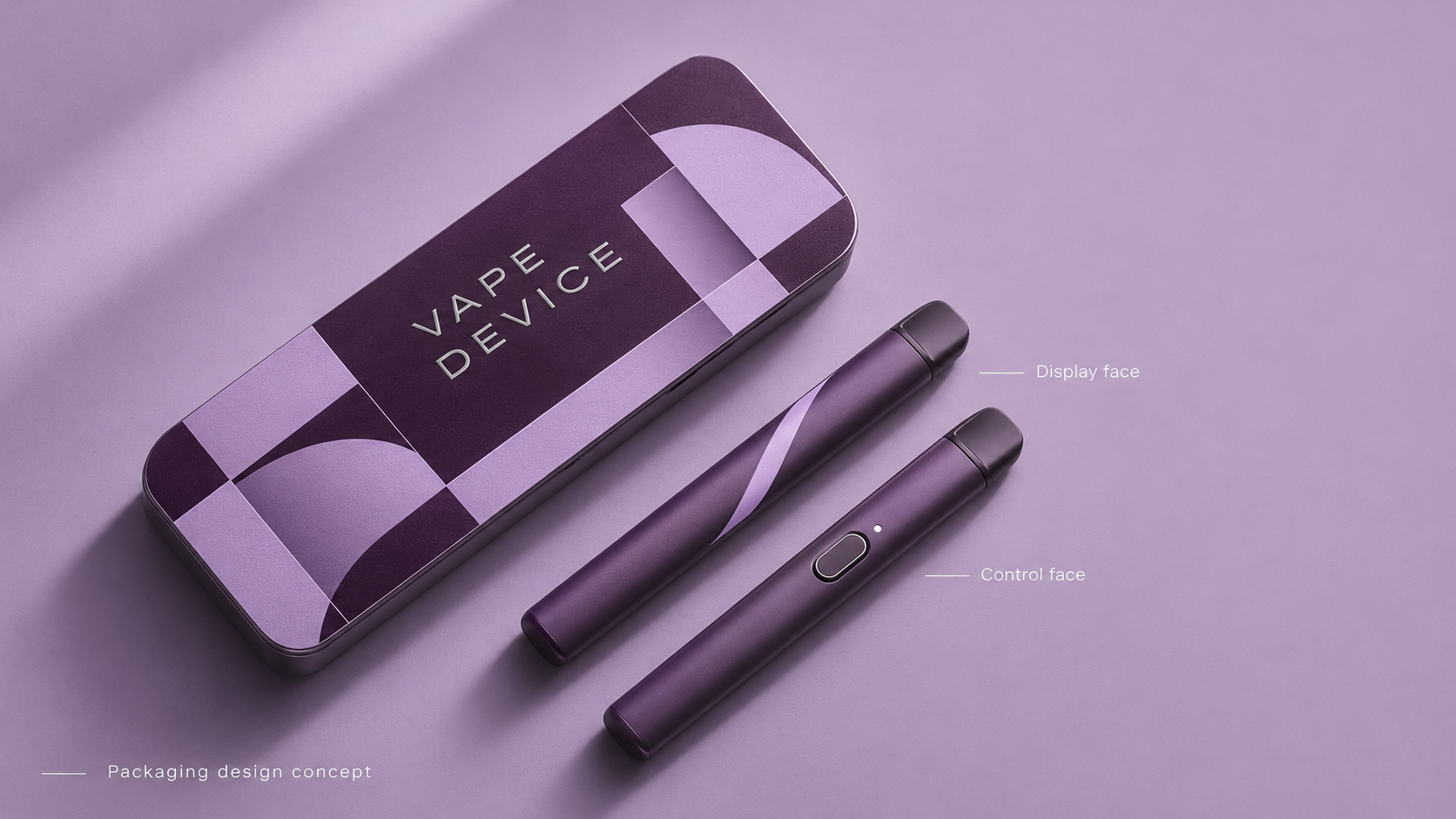
Buying guidesChoose the displayed face together with support, loading and removal requirements. A preferred logo view can conflict with a feature on the hidden face. Compare the actual faces and intended opening position before treating orientation as an artwork-only decision.
Read guide → 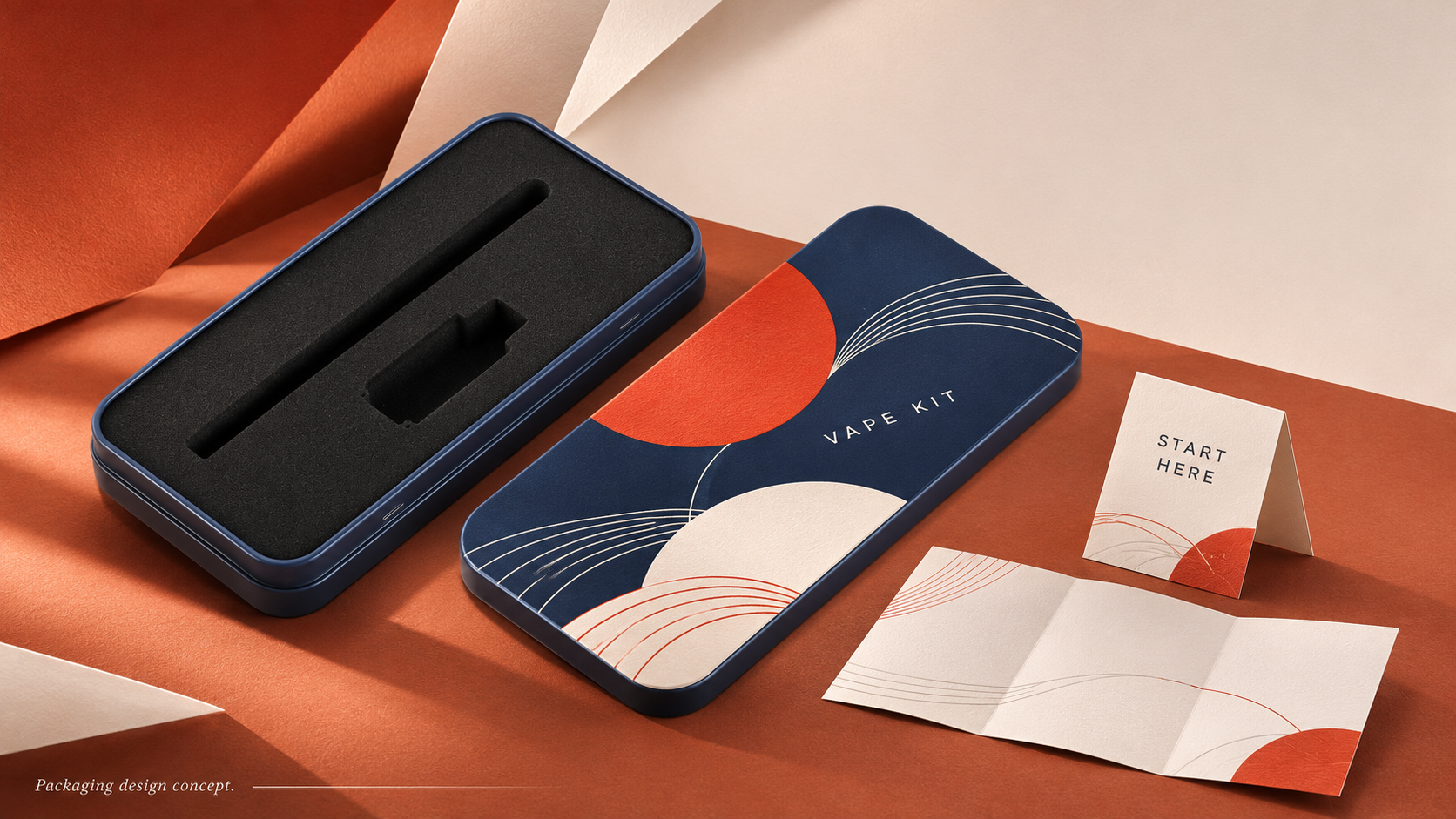
Buying guidesChoose position using the intended reading moment and the finished card, including its folds and wrapping. A flat printout may be a different input from the delivered reference. Keep content approval separate from the physical location decision and review the complete kit.
Read guide → 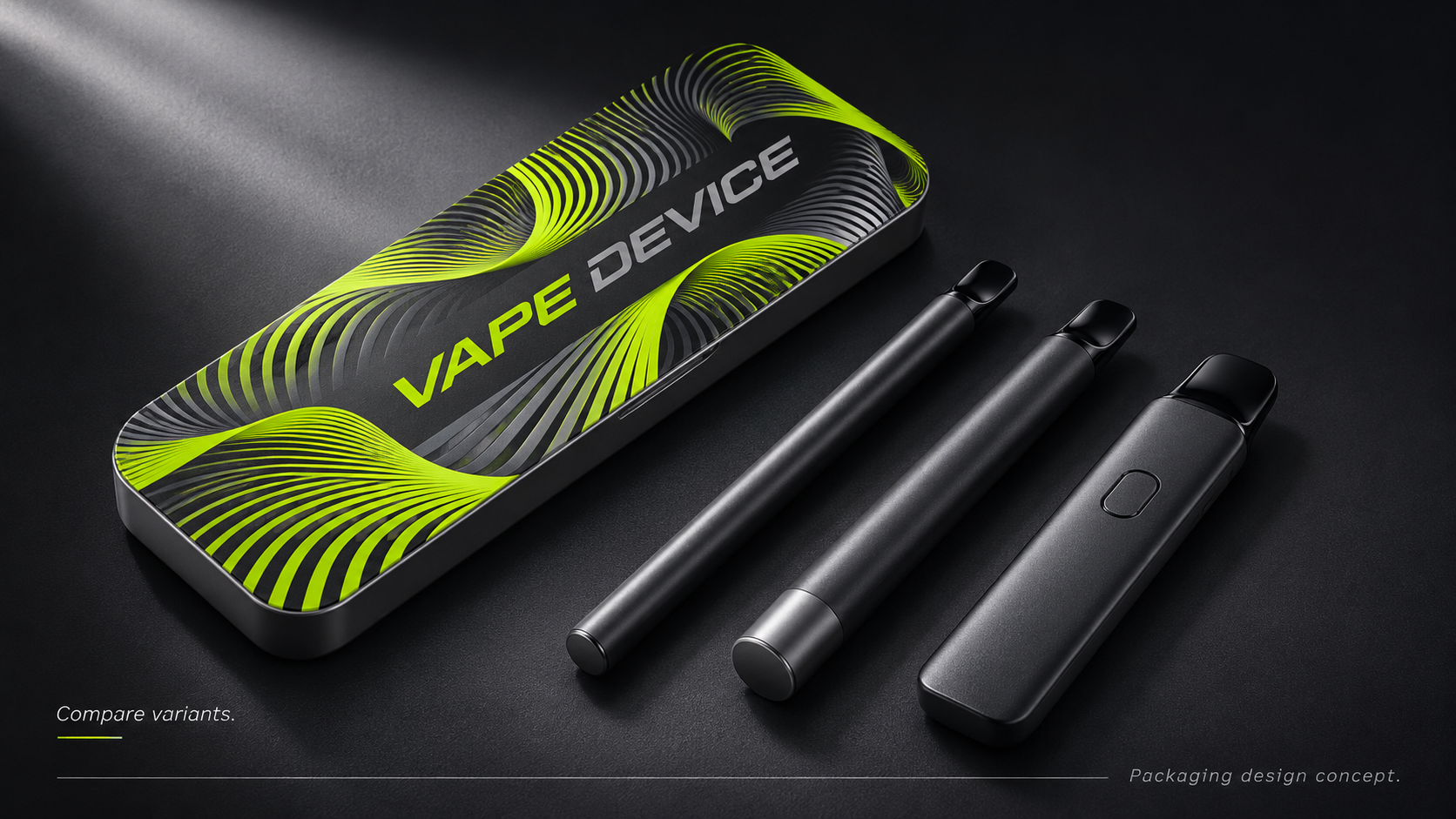
Buying guidesCompare the geometry that supports, locates and releases the device, not just its largest nominal dimensions. Two variants can share length while differing at a connector, cover or grasp region. Identify those differences before deciding whether to share a body, share an insert or keep separate assemblies.
Read guide → 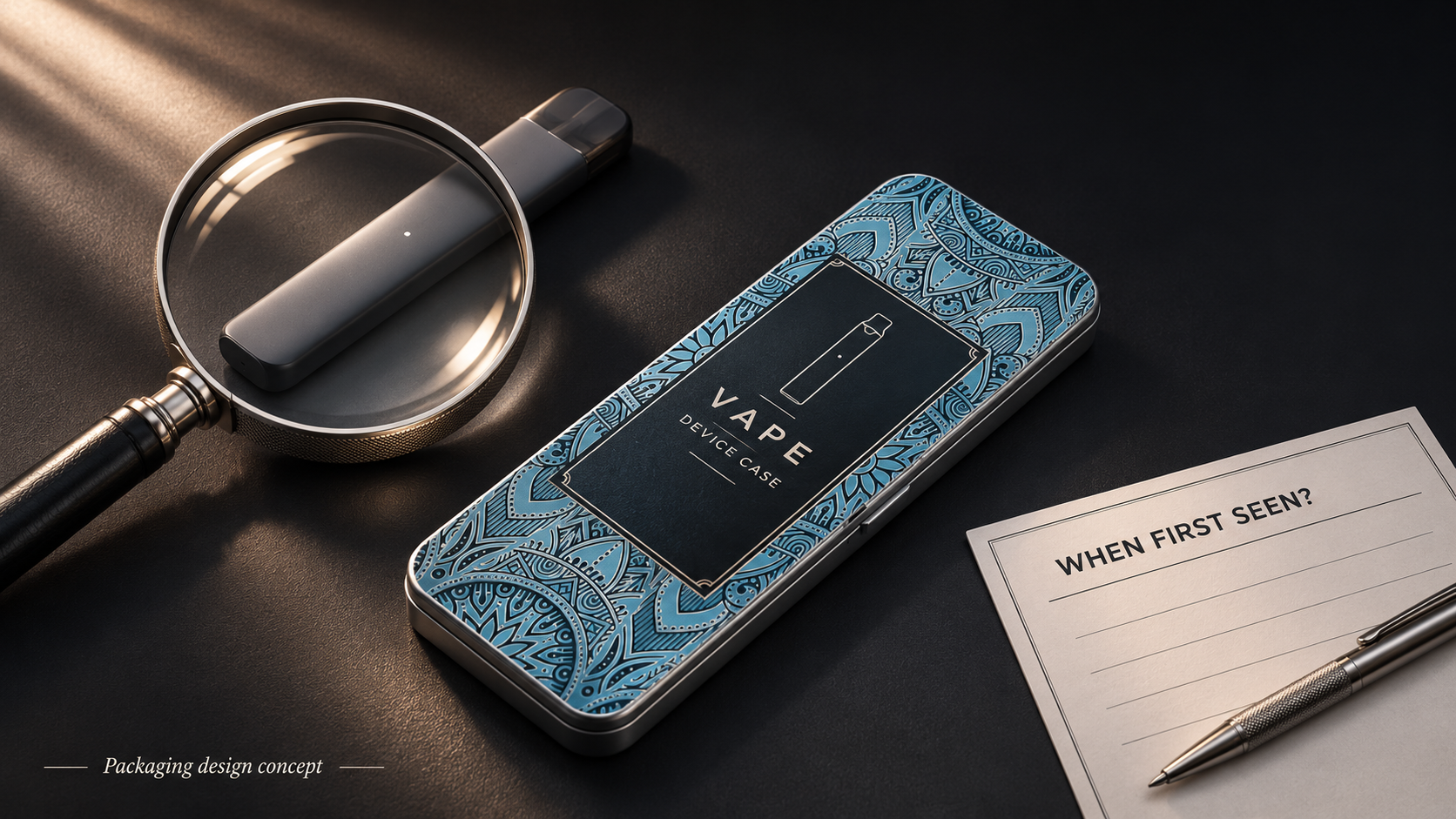
Buying guidesA mark found at opening does not prove that the insert caused it. It may be an apparent reflection, removable material, or a surface change whose first appearance was never observed. The buyer’s first decision is therefore not which replacement material to order. It is whether the available evidence can distinguish when the observation appears and which controlled comparison should come next.
Read guide → 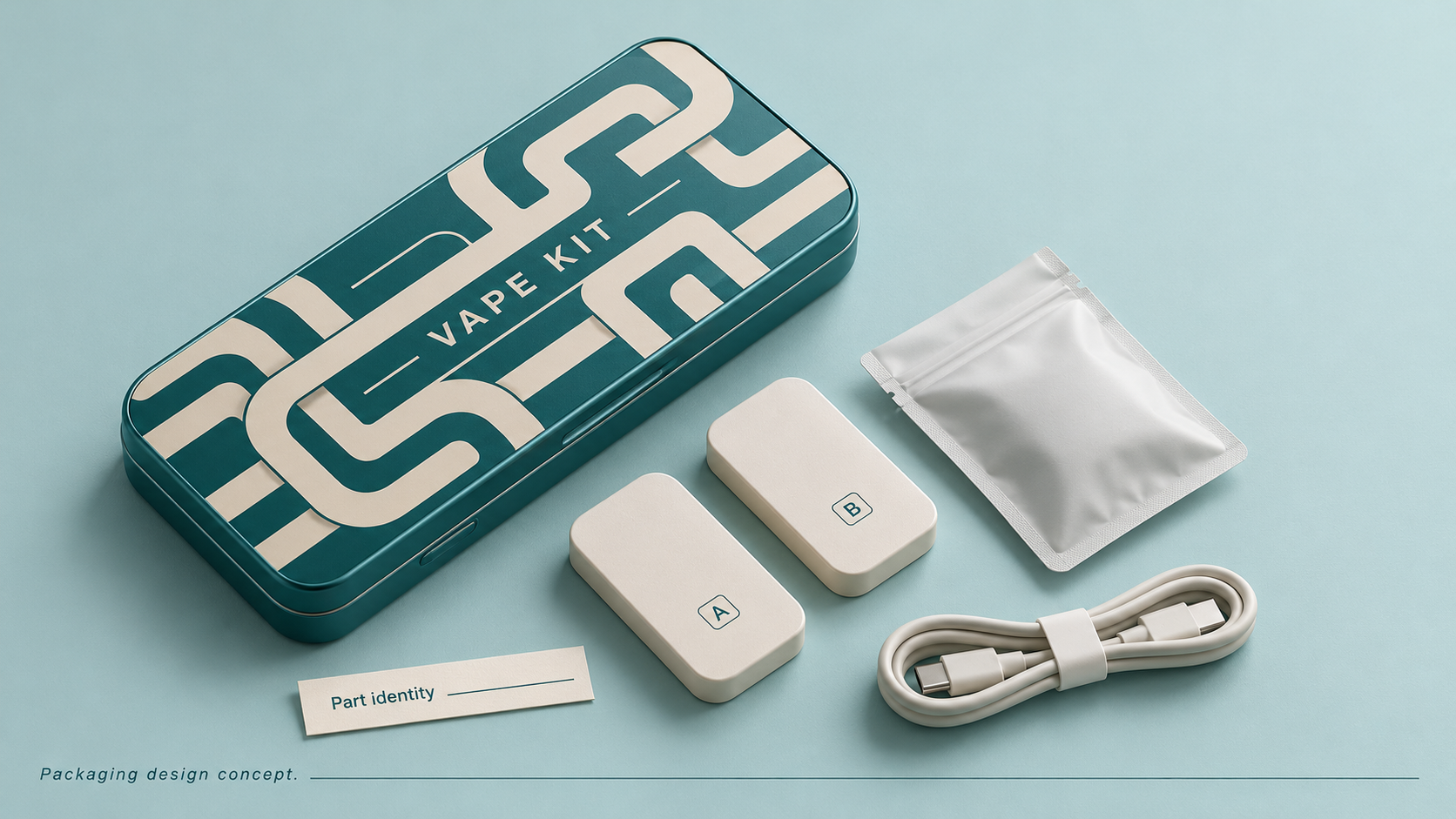
Buying guidesUse the established sellable-kit definition, then identify the last packing step at which each relevant part can still be distinguished. Counting occupied locations does not settle identity when similar-looking parts serve different versions. This tool supports an operations-led check discussion, not an asserted error-prevention method.
Read guide → 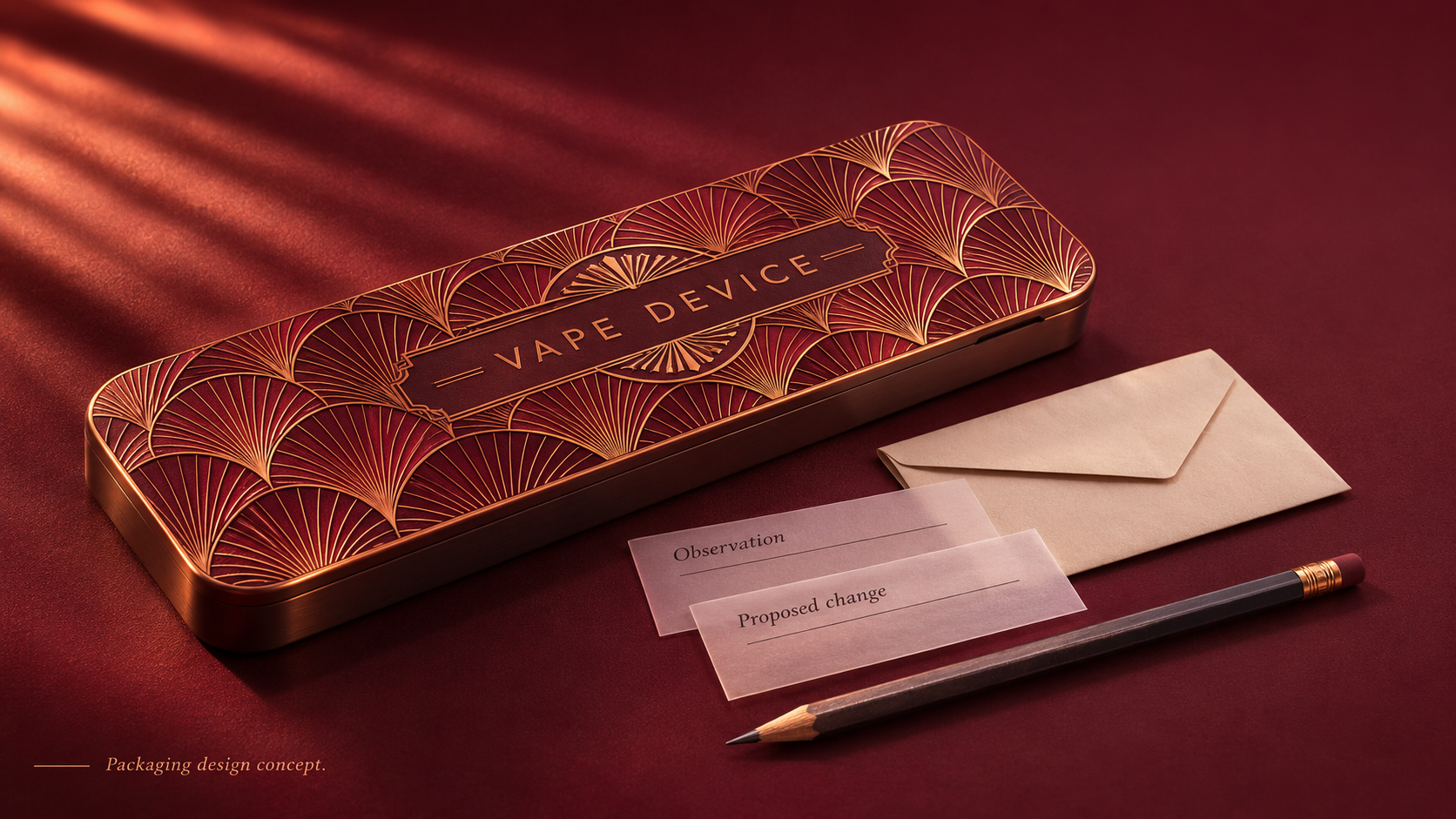
Buying guidesPreserve the observed problem separately from the proposed modification, then reconcile conflicting requests before issuing the next sample brief. A marked dimension can hide the original task it was intended to solve. The useful decision is which complete proposal the team wants to evaluate next.
Read guide → 
Buying guidesIf a filled gummy bag enters a tin but cannot be removed comfortably, do not jump straight to a larger tin. First distinguish the bag's packed shape, its position and the removal path. A container can accommodate the contents while still leaving the user no practical way to reach the intended grasp point. This is a configuration question, not evidence that either component is defective.
Read guide → 
Technical guidesA full sample looks organised: each shape occupies its own place and the assortment matches the presentation image. Then someone removes the first piece. The remaining items move, one variety becomes harder to reach, or the arrangement no longer explains which piece is which. The immediate reaction may be to request a tighter insert. First decide what the layout is actually supposed to preserve.
Read guide → 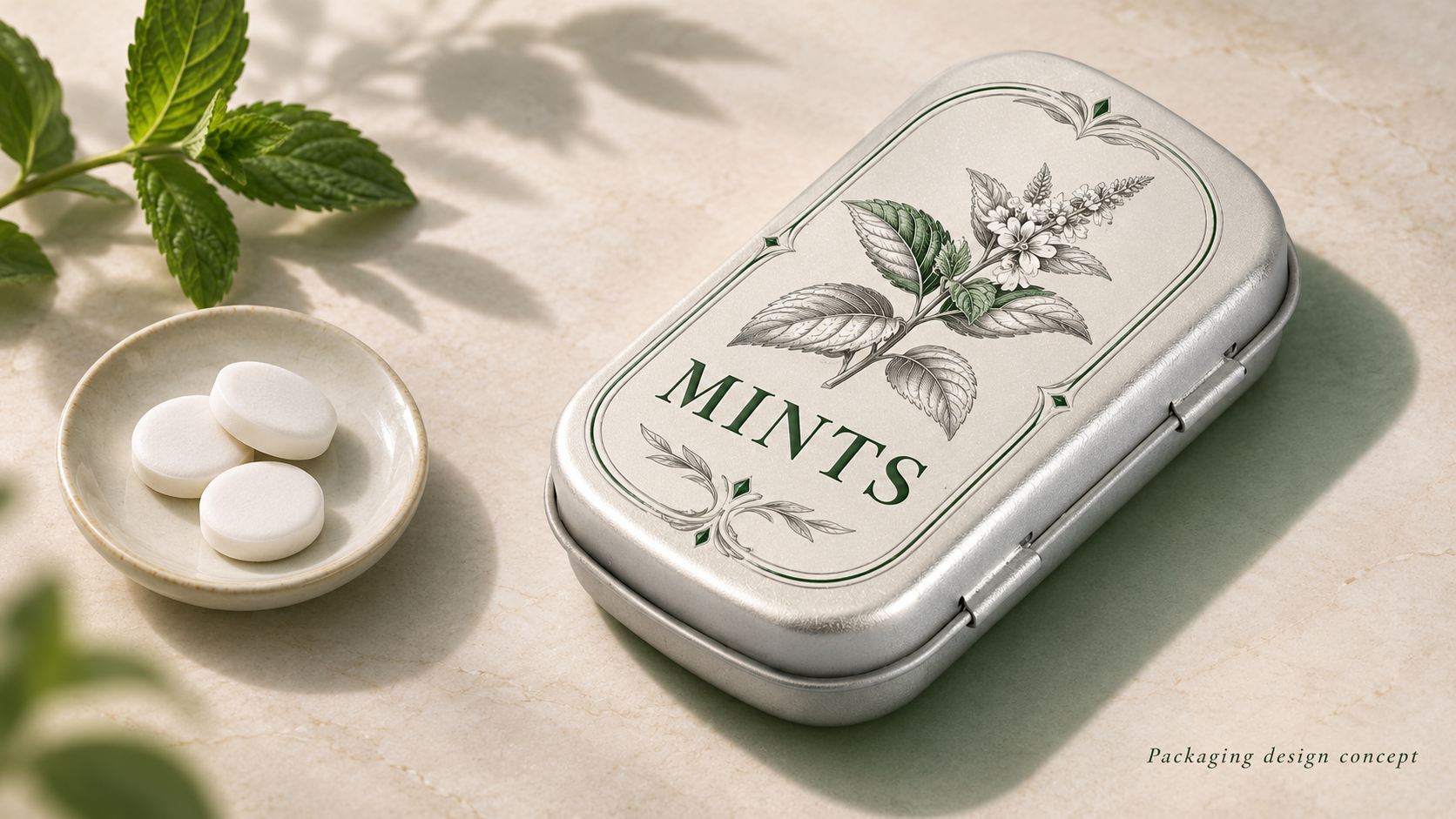
Buying guidesSeparate opening the container from removing the contents. If the lid operates as intended but the product path is awkward, changing the closure may not address the problem. Define whether the customer is meant to pour, pick an individual mint or remove an inner packet, then compare that action using the assembled pack.
Read guide → 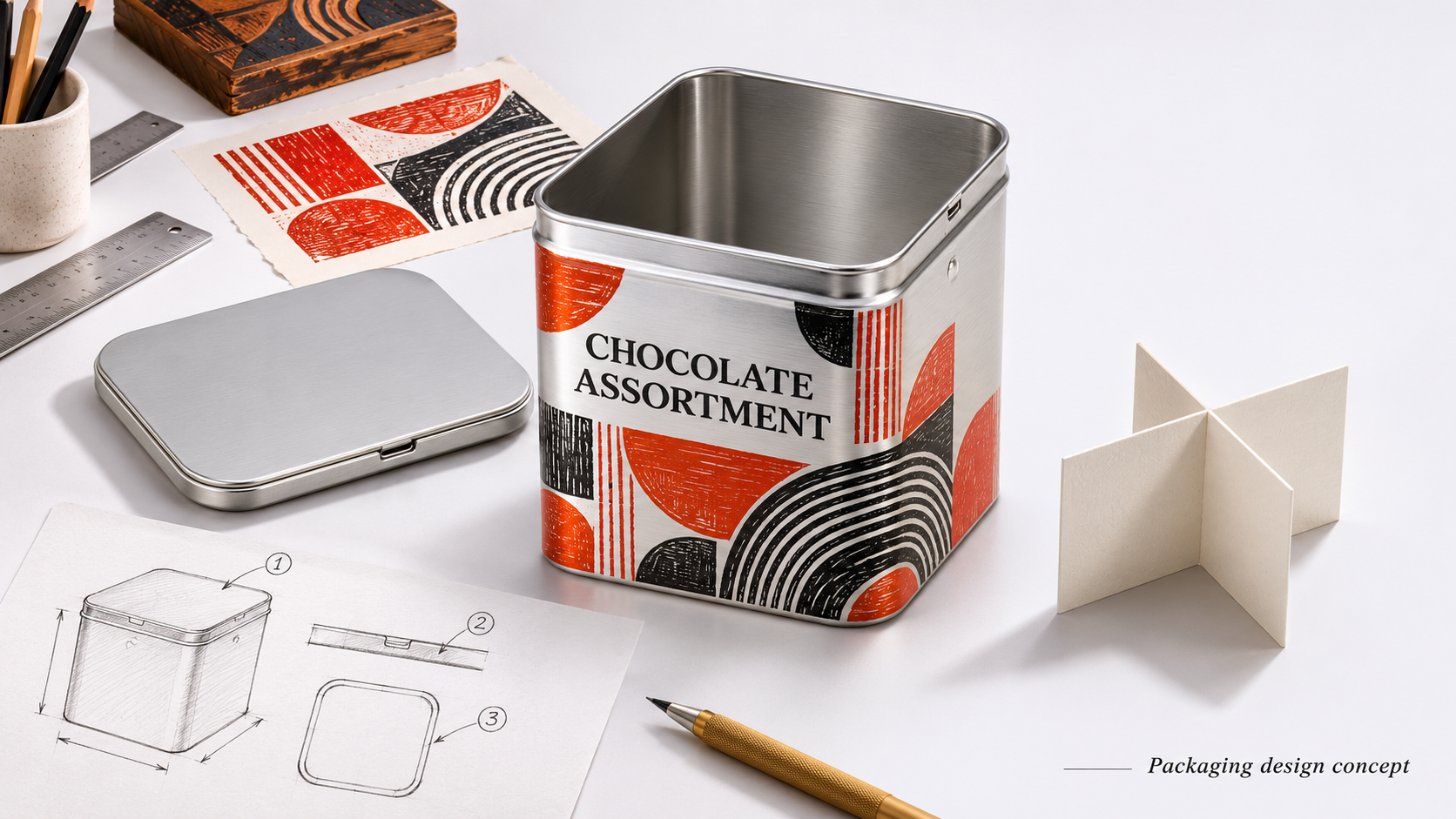
Technical guidesA loose divider has a lower component price than an assembled tray, but the quotation leaves assembly to someone else. The cheaper part is not necessarily the cheaper complete deliverable. Define whether compartments stay fixed or a tray should lift out before comparing scope.
Read guide → 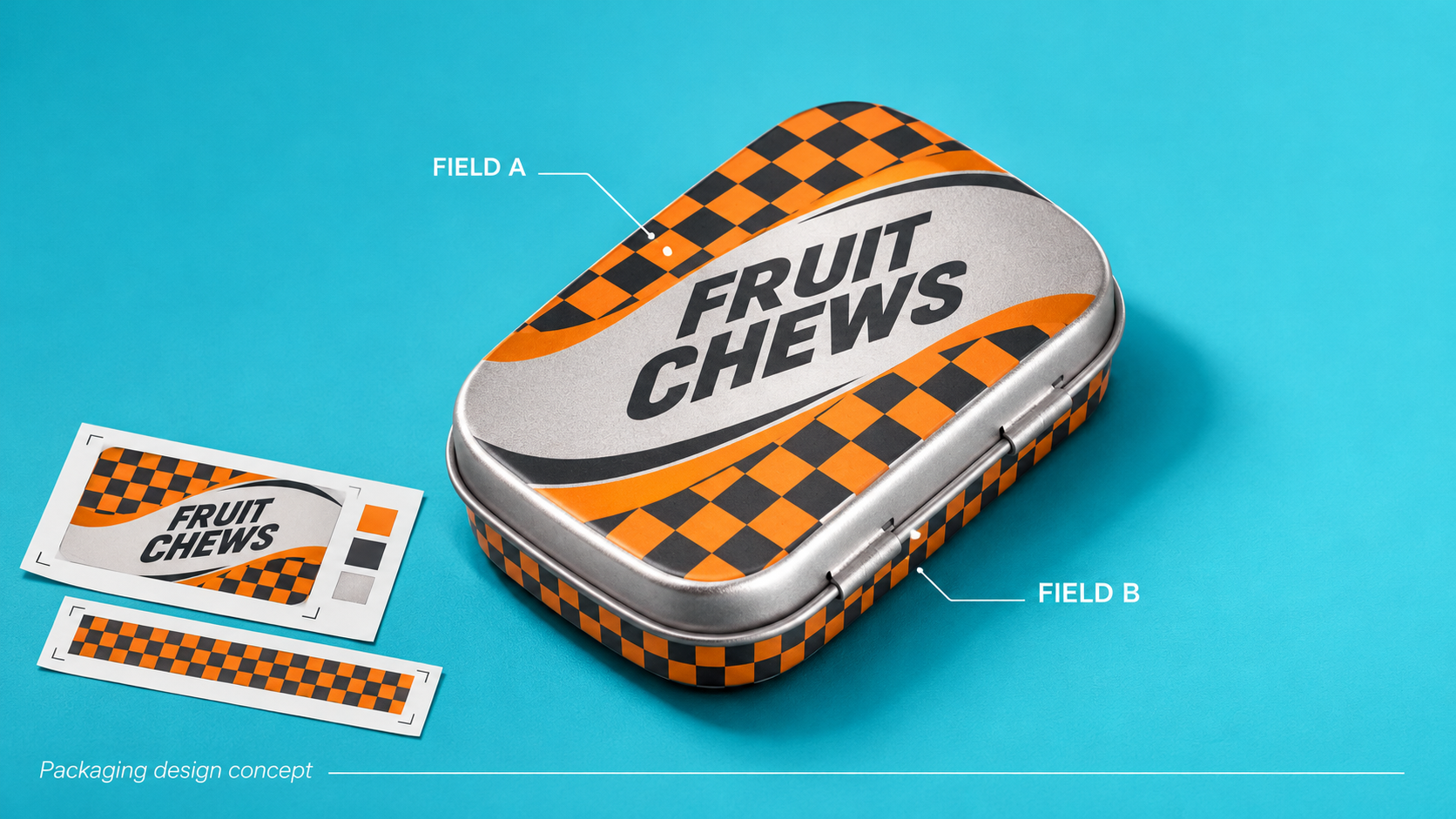
Technical guidesArtwork is nearly approved when operations explains that two later-applied information fields need space, not the single placeholder the designer reserved. Shrinking the text is not the first solution. Reconcile the information architecture and application responsibility before compromising the layout.
Read guide → 
Technical guidesTwo similar lid designs arrive for consecutive mint runs and the workstation identifies them only by a colour description. If both teams use the same nickname differently, an artwork error can hide inside a familiar container. The purchasing task is to preserve component identity across the handoff, not invent a cleaning procedure.
Read guide → 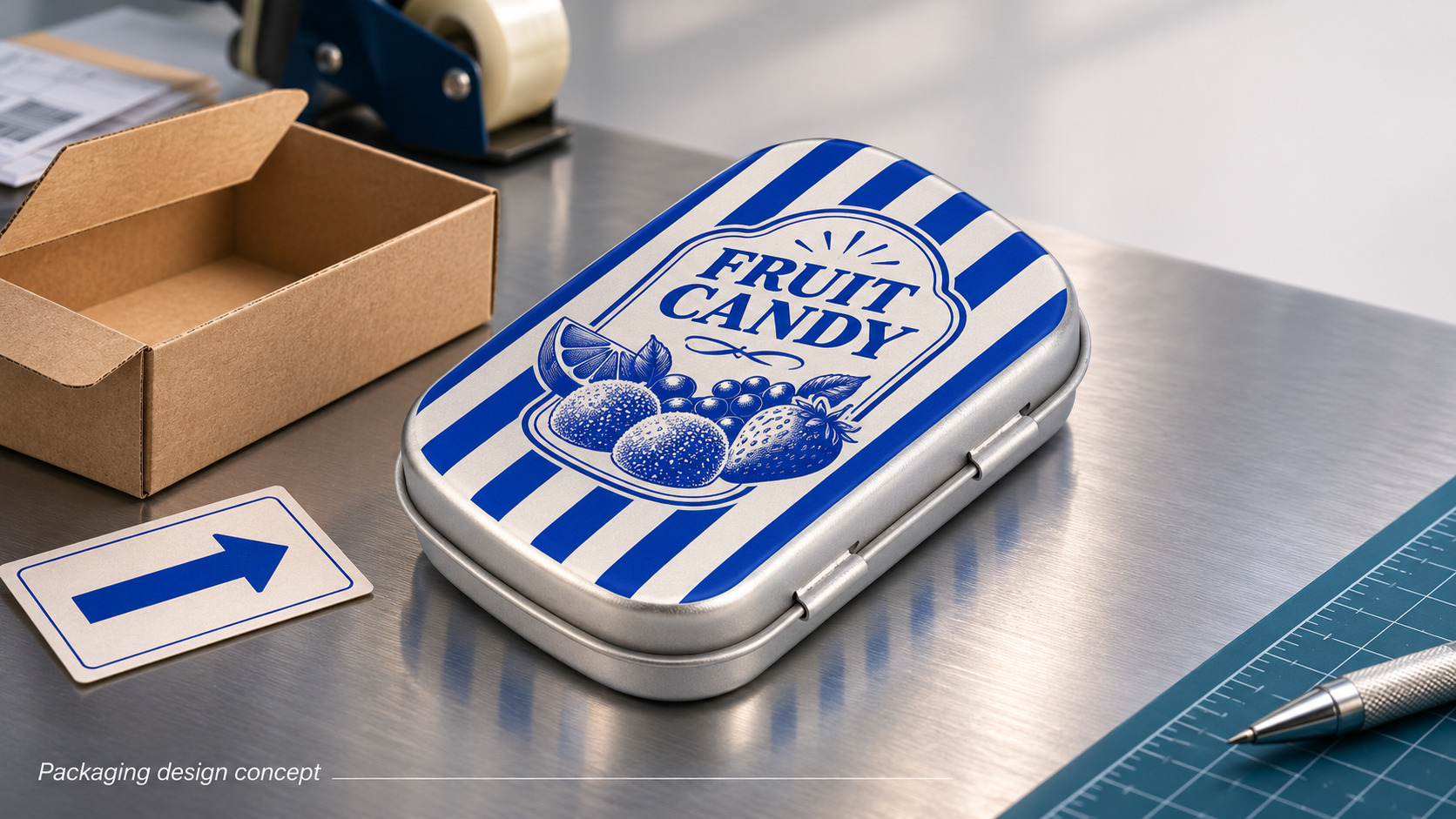
Technical guidesThe carton sketch presents tins one way while the packing sketch expects the opposite orientation. Before changing the tin, determine whether an intentional turn is part of the workflow or an unresolved handoff. A different supplied state may answer the issue without changing the structure, but it must be proposed and reviewed.
Read guide → 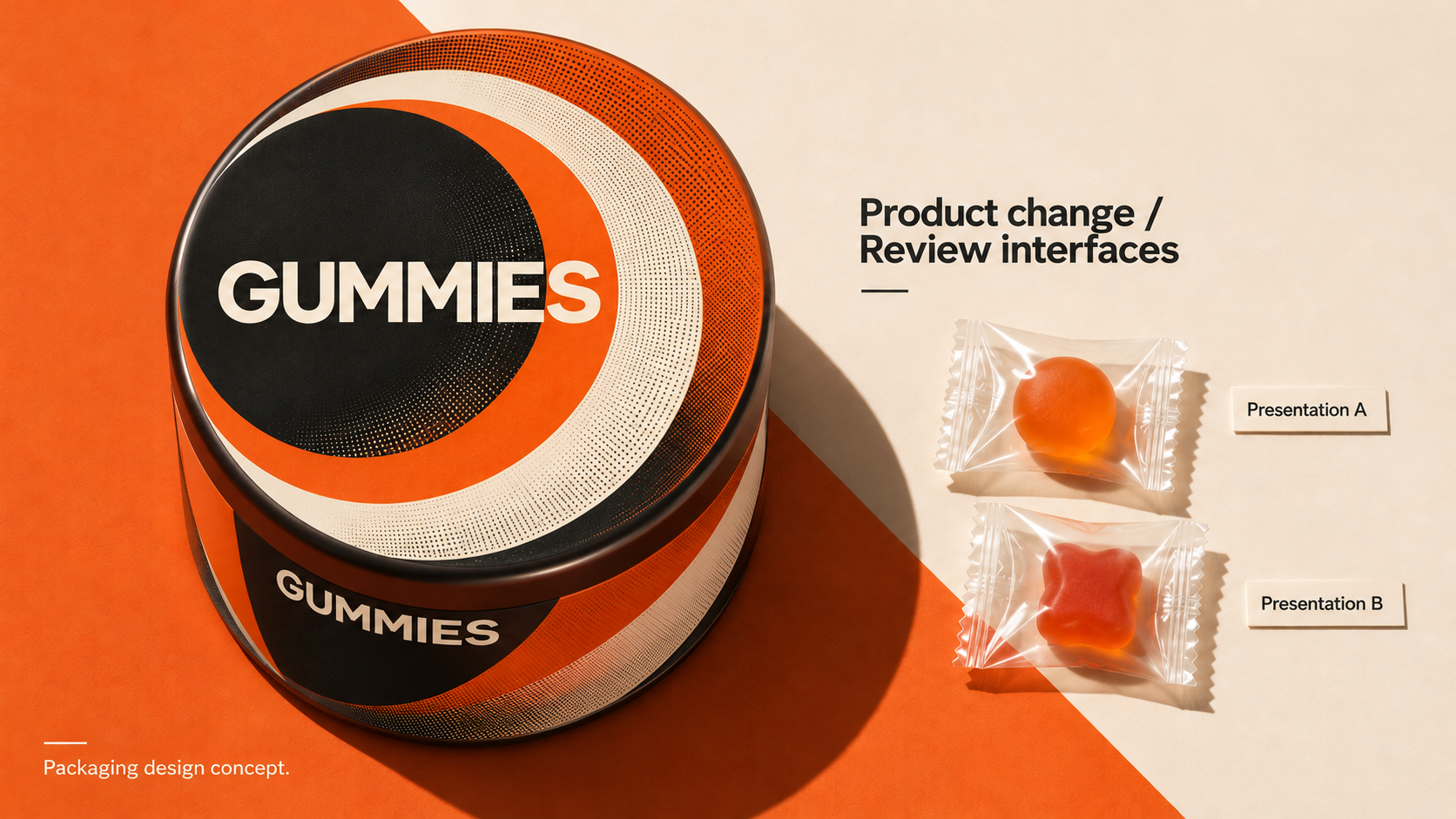
Technical guidesAn edible's nominal dimensions stay the same after a recipe update, so one team calls the packaging unchanged while another asks to repeat every approval. Neither conclusion follows from the size alone. Trace which earlier decisions depended on the changed product information.
Read guide → 
Technical guidesAn undecorated tin opens during a sample discussion. After a label or sleeve is added, the reviewer has trouble finding a grip, moving the lid or completing the intended opening sequence. It is tempting to call this a closure defect and request a new format. First compare what changed between the two assemblies.
Read guide → 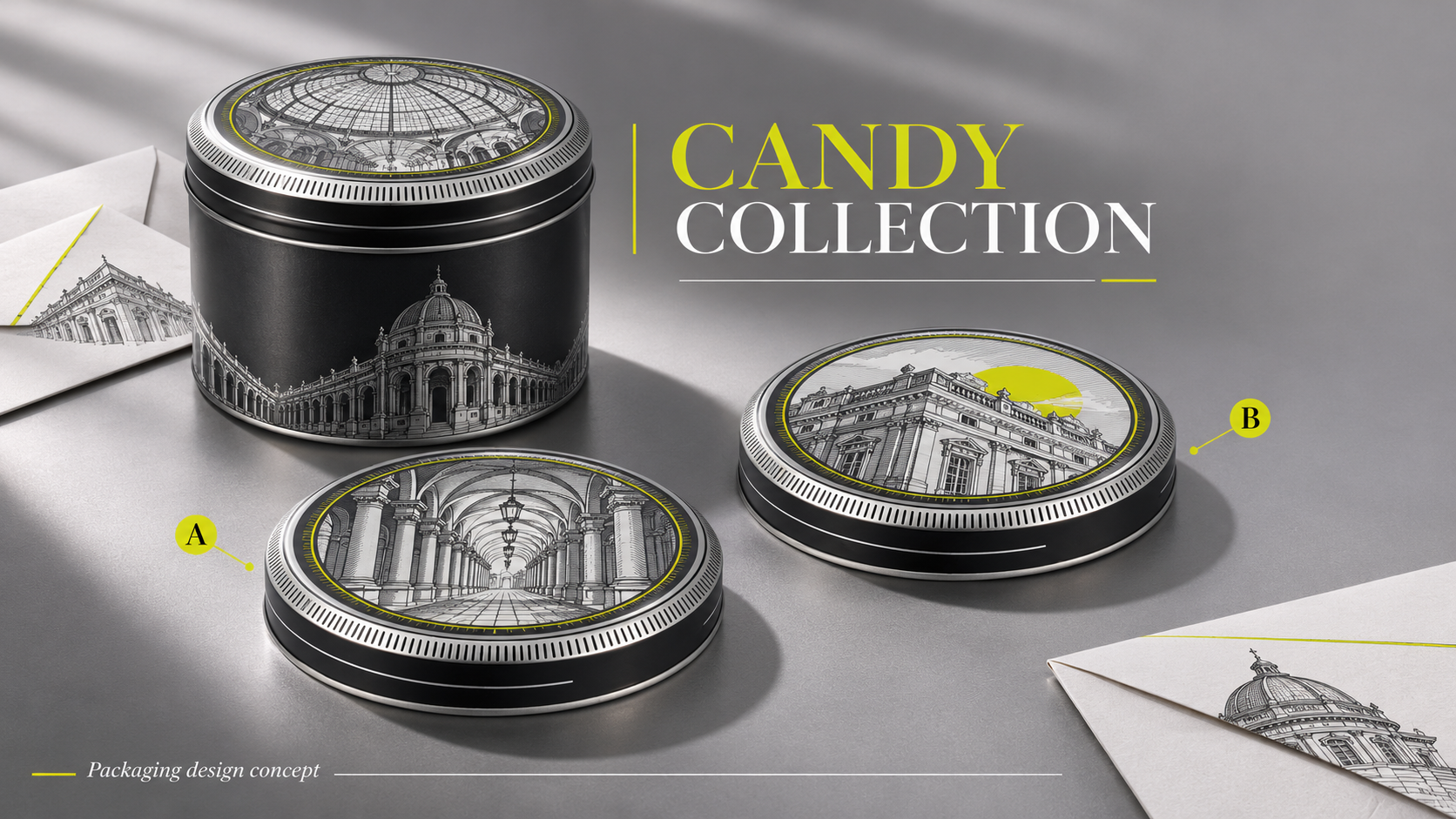
Technical guidesA buyer asks for extra lids matching the original order, but the supplier interprets the request as the latest revision. Both descriptions sound reasonable until the reserve components reach the wrong stock. Define the governing assembly and reason for replenishment before confirming quantity.
Read guide → 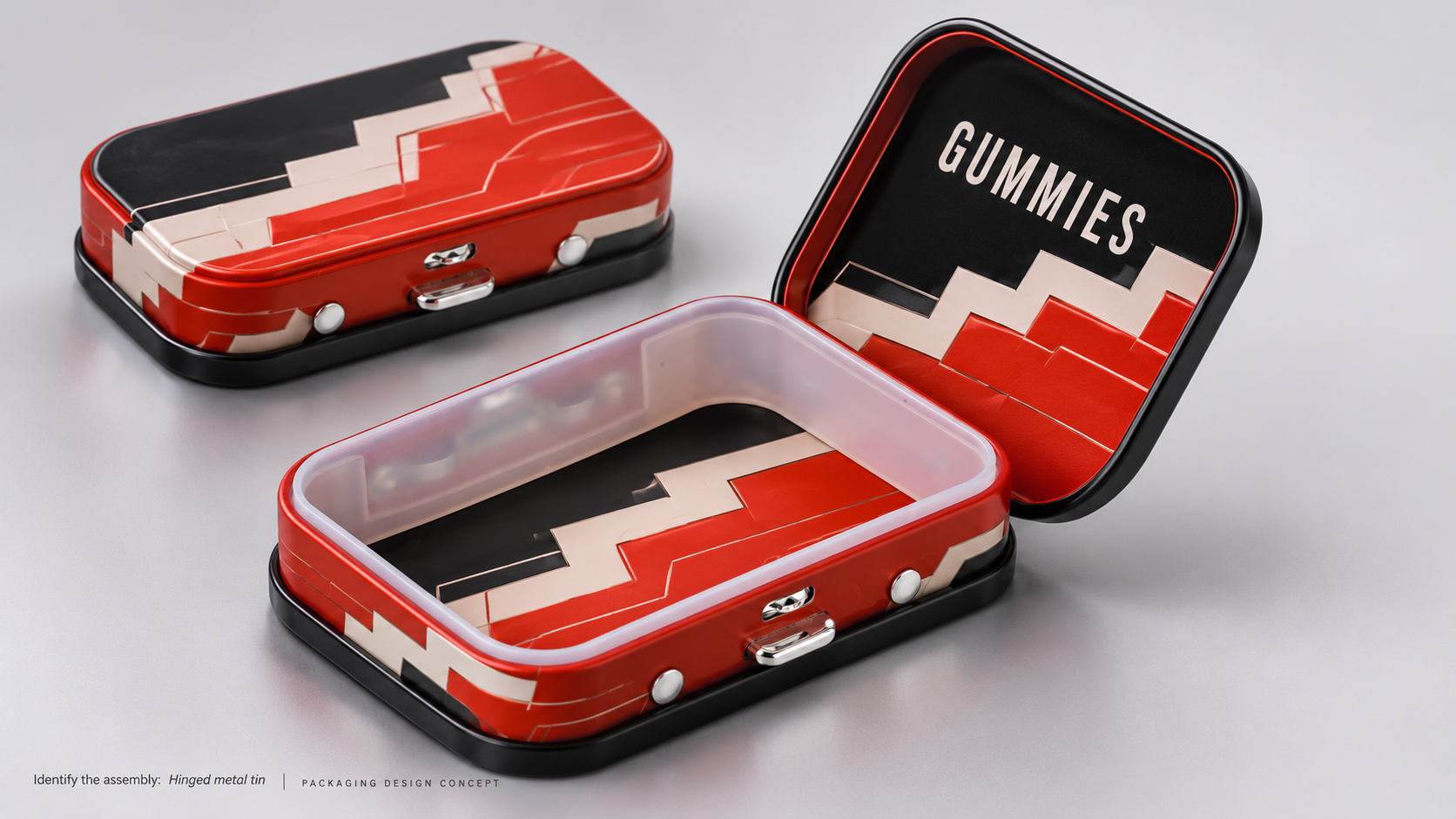
Technical guidesTwo suppliers show a similar opening gesture, but one quotation includes an assembled closure and the other names only a body and lid. Do not attribute the price gap to efficiency until the component scope is understood. Identify the actual candidate assemblies first.
Read guide → 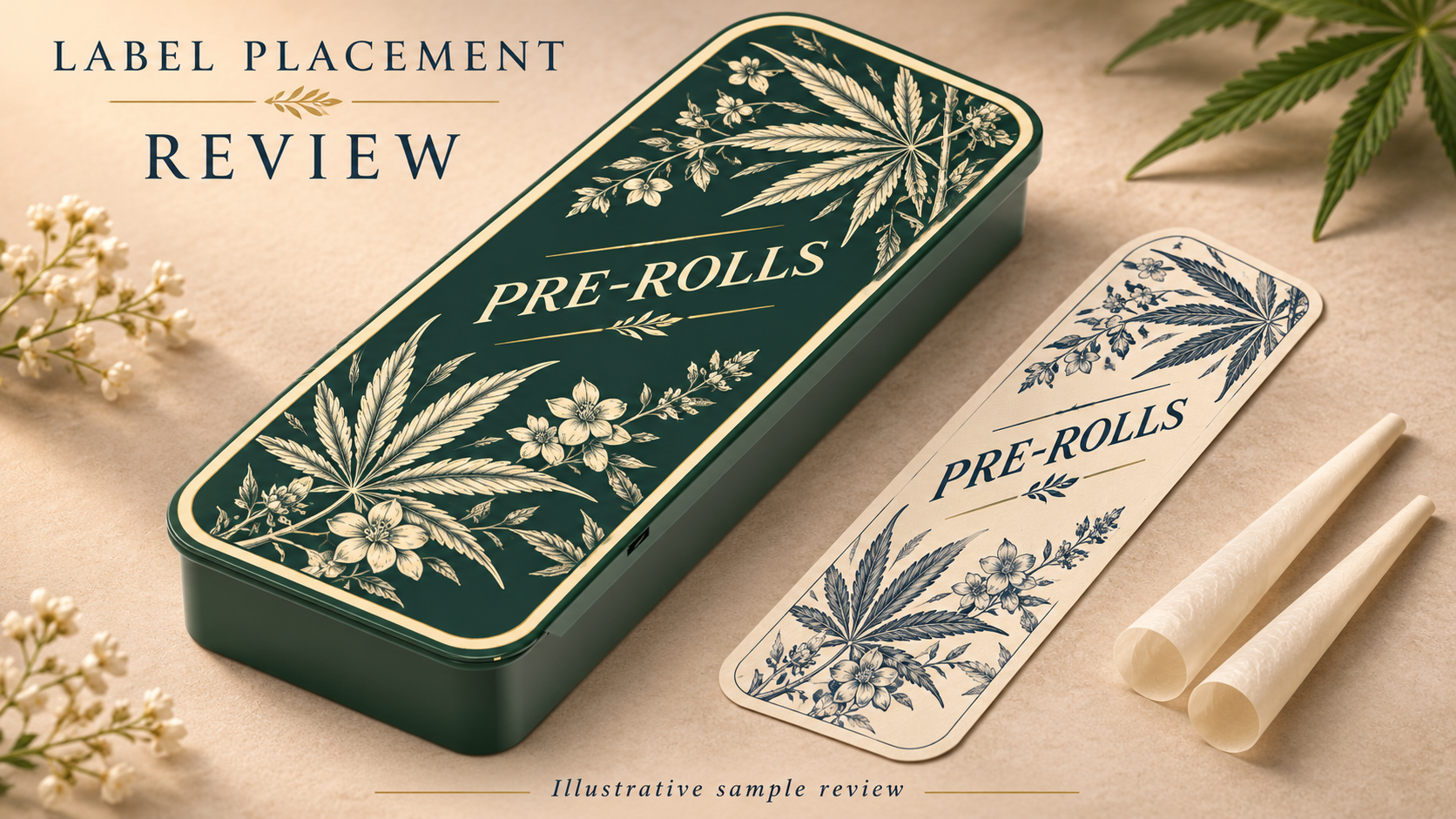
Technical guidesA bare tin can help explain an opening mechanism, but it cannot show whether the final label hides a cue, occupies a grip area or crosses an opening interface. Before approving a labeled pre-roll tin, compare identified bare and finished samples with the same closure, insert and representative contents. Review opening cues, grip, product retrieval and reclosing separately. If the assemblies differ, record that limitation before attributing difficulty to labeling.
Read guide → 
Technical guidesA refillable-tin request arrives with no answer about which parts remain in use after the first purchase. Quoting the decorative body alone leaves the later pouch, instructions and component decisions outside the comparison. Define the first and later offers before judging the system.
Read guide → 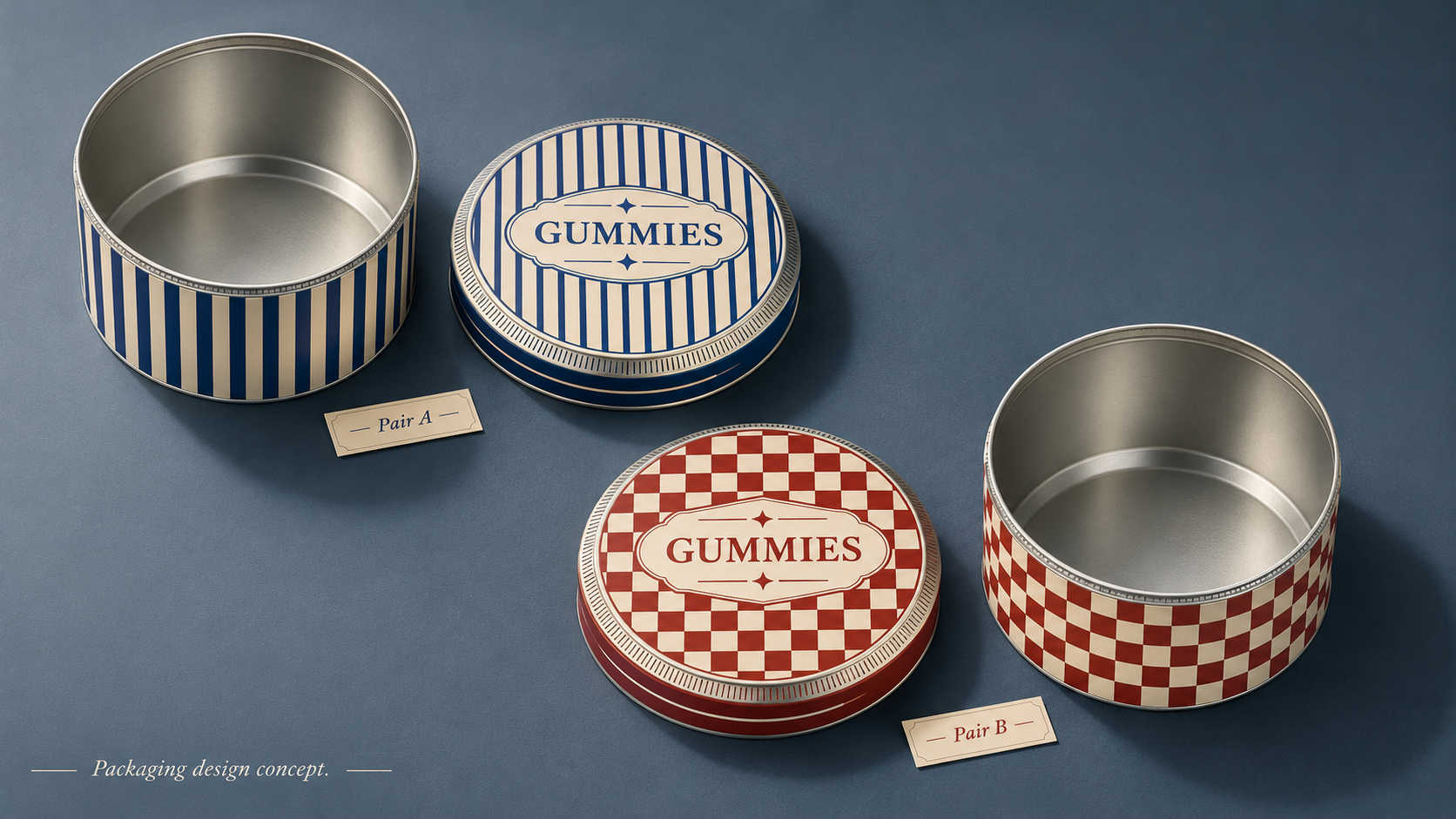
Technical guidesA lid appears to close on a similar body, yet the stock records name two different assembly references. A single trial fit does not establish that the pair belongs to the accepted configuration. Resolve identity before deciding whether a new combination should be evaluated.
Read guide → 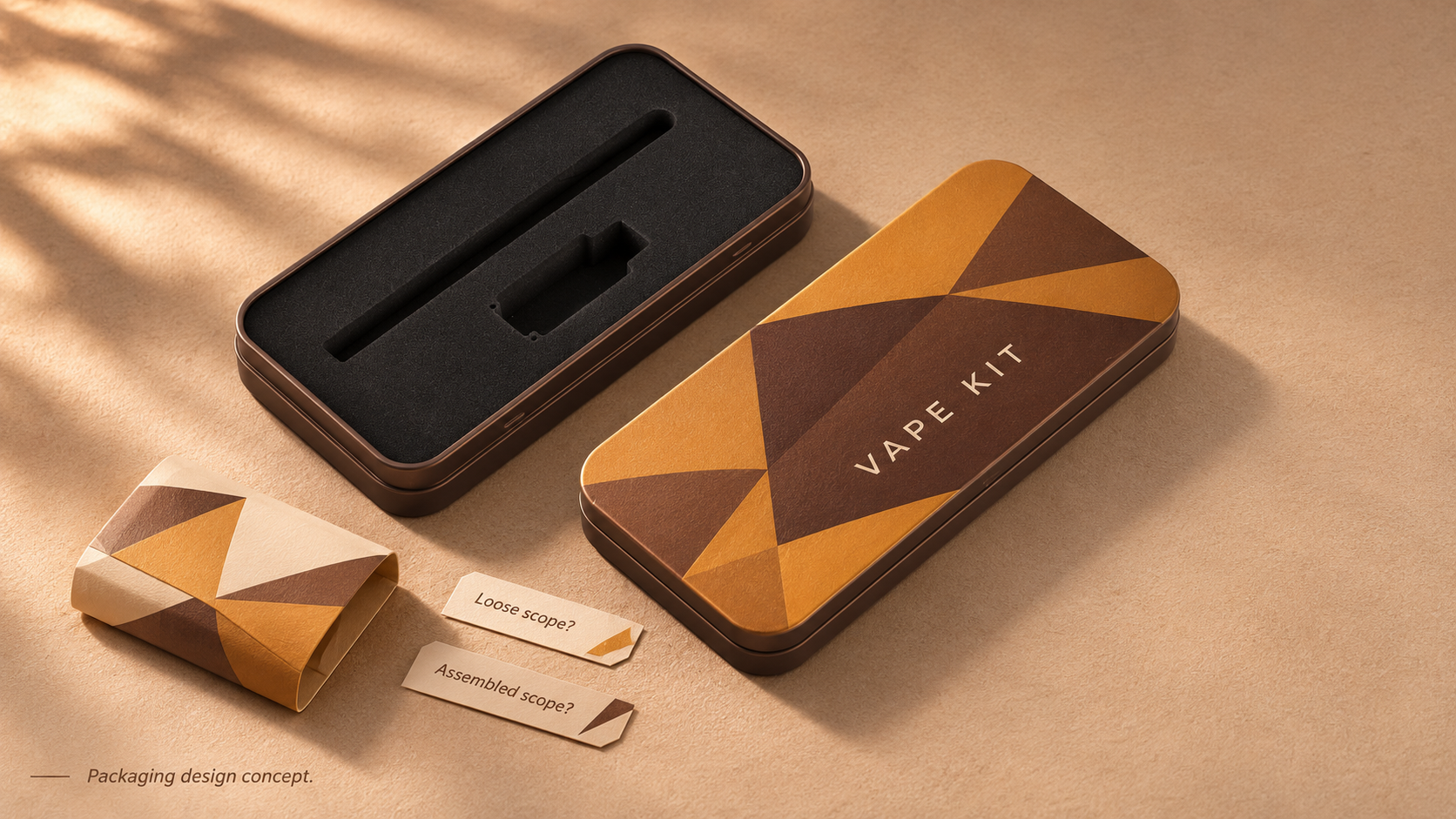
Technical guidesThe tin proposal is accepted, but the buyer later discovers that loose inserts arrive separately and nobody has agreed to install them. This is a scope gap, not automatically a supplier failure. State the delivered assembly condition before comparing unit prices.
Read guide → 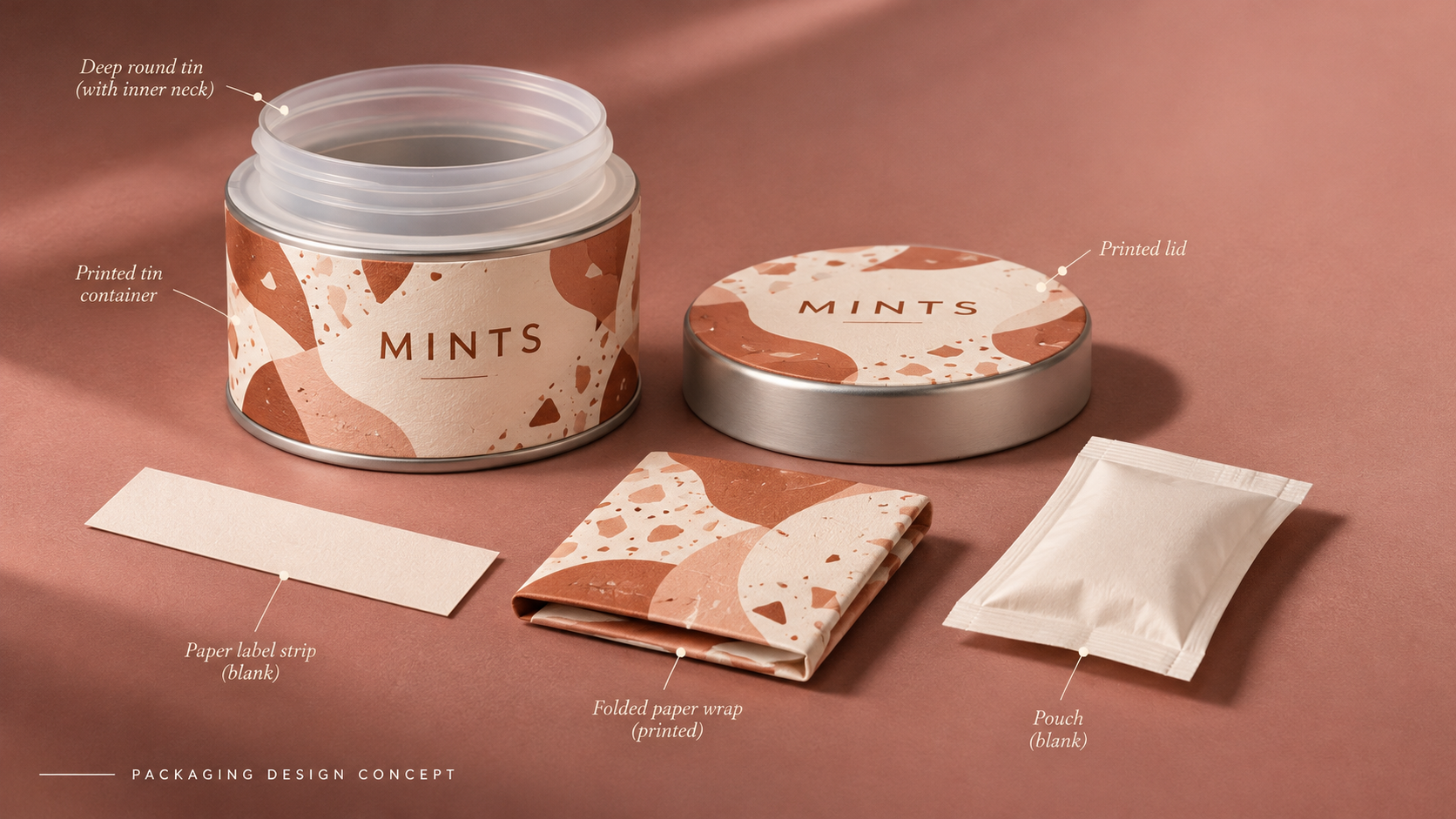
Technical guidesThe main body is metal, but the project also includes an insert, liner, label and inner pack. A whole-package material claim cannot be inferred from the body description. Make the actual declaration subject clear before approving public wording.
Read guide → 
Buying guidesA discrepancy in a delivered tin is a reason to identify and assess the affected material, not proof that every unit has the same problem. Separate what was observed, how much has actually been examined and what the responsible parties need to decide next. A useful report supports disposition without inventing a cause or a remedy entitlement.
Read guide → 
Technical guidesMarketing approves an open display sample while procurement assumes the closed retail configuration is ready. The approval can be valid for appearance and still leave fit, closing or contents unrepresented. Name the sample's role before deciding the next step.
Read guide → 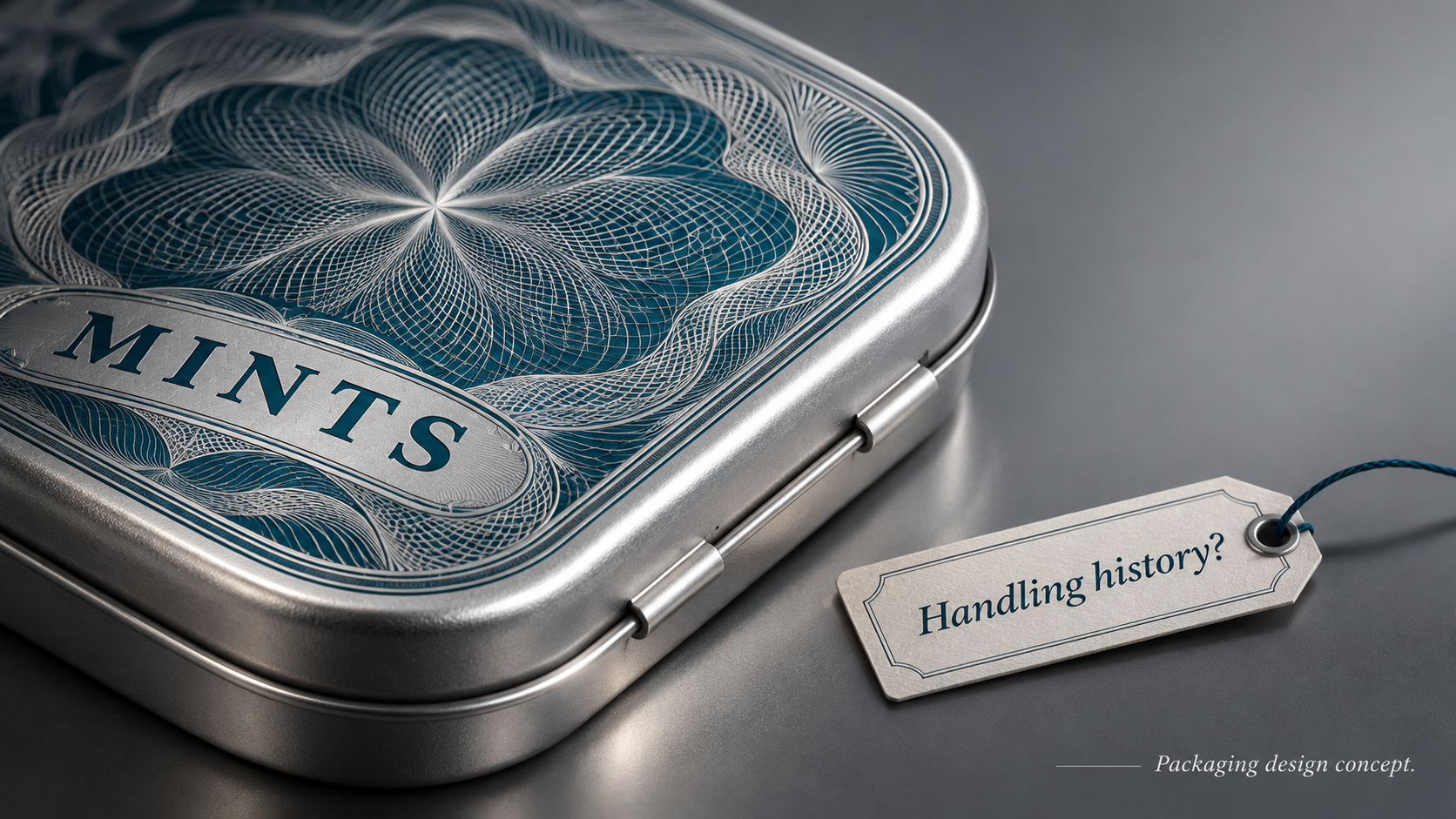
Technical guidesA reviewer says the lid feels different after handling and immediately requests a redesign. First establish which assembly was used and what history is known. A mismatched component, an unknown revision and an observed change in the intended assembly are different starting points.
Read guide → 
Buying guidesA target weight does not describe the arrangement of the actual pieces. When a candidate appears large enough in a catalogue but the intended gummies do not pack as expected, distinguish the commercial contents from their physical form. Provide count, relevant weight specification, piece geometry and inner packaging together.
Read guide → 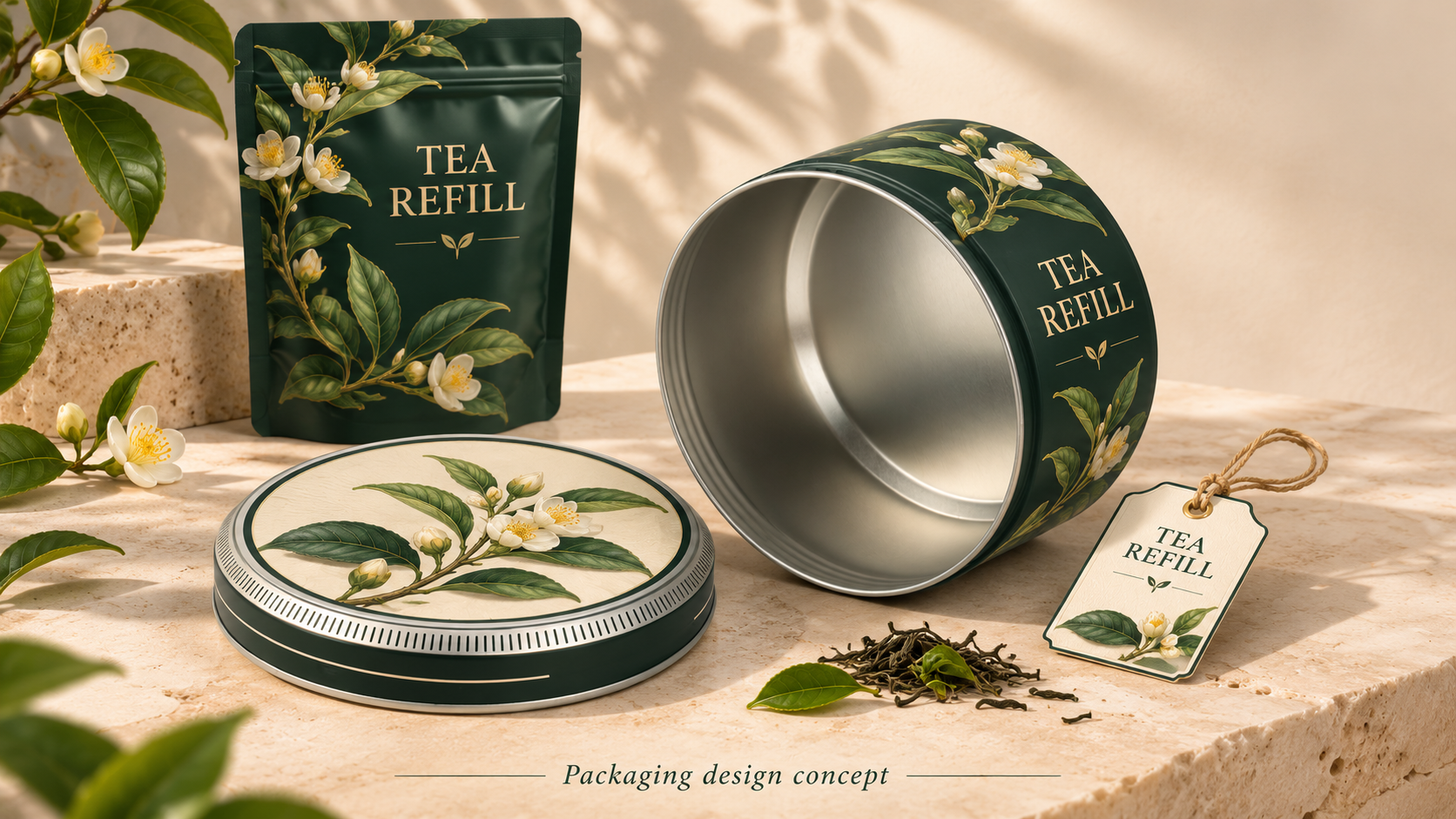
Buying guidesThe new tea refill fits today's tin, but the older tin generation has not been represented in the review. A shared collection name cannot tell a customer whether the refill belongs to the container they already own. The immediate purchasing decision is which original-container references the new SKU may be offered with.
Read guide → 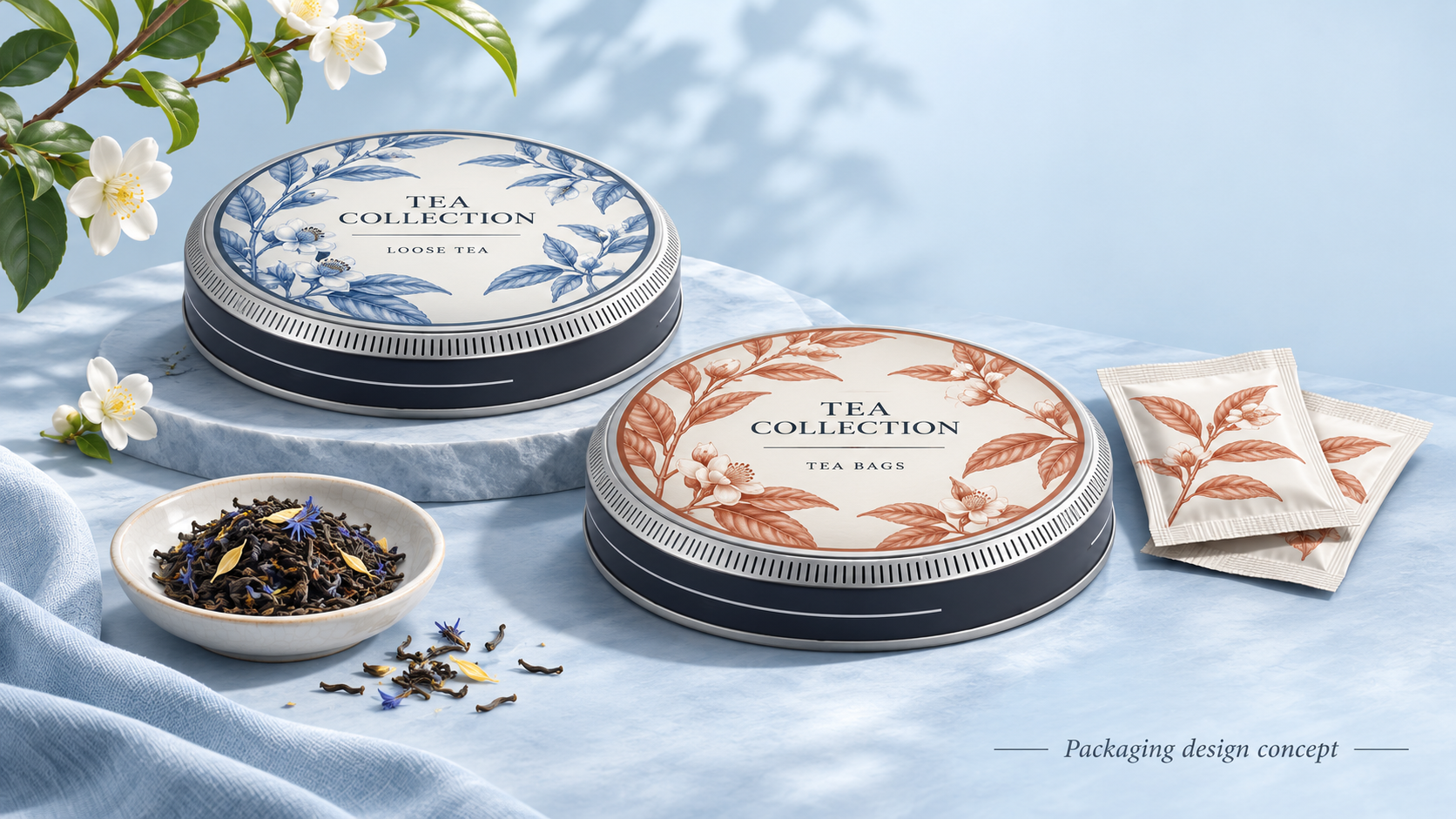
Buying guidesA brand wants one tea tin across loose-tea pouches and wrapped tea bags, but one SKU is awkward to remove. That exception does not automatically invalidate a common-body project. It means the team must decide whether physical commonality or a unified appearance is the real objective.
Read guide → 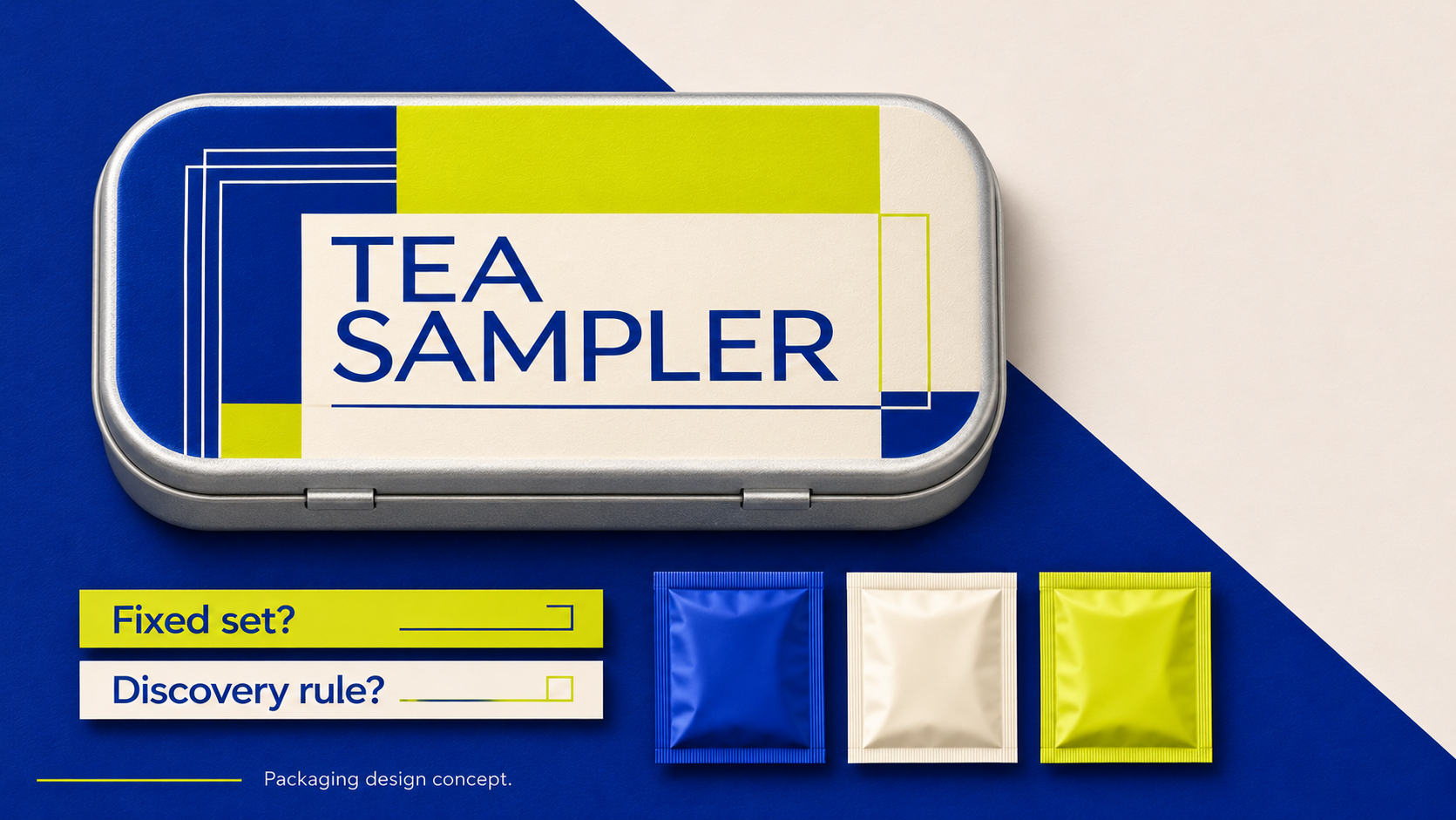
Buying guidesOne flavour in the advertised tea sampler is unavailable. Filling the gap with another tea may complete the tin physically while changing what the customer was promised. The next decision belongs to the offer definition before it belongs to the packing layout.
Read guide → 
Buying guidesUse the filled inner bag in its intended packed state as the fit reference. Flat bag dimensions do not describe every fold, protrusion or formed feature presented to the tin. Before asking for another container, distinguish whether the pack cannot enter, cannot close as intended or cannot be removed.
Read guide → 
Buying guidesThe scoop looks attractive on top of the coffee pouch, but the pouch cannot be removed in the intended way. Approving the accessory's position separately would miss the conflict. Compare the complete opening sequence before choosing an insert or asking for a larger tin.
Read guide → 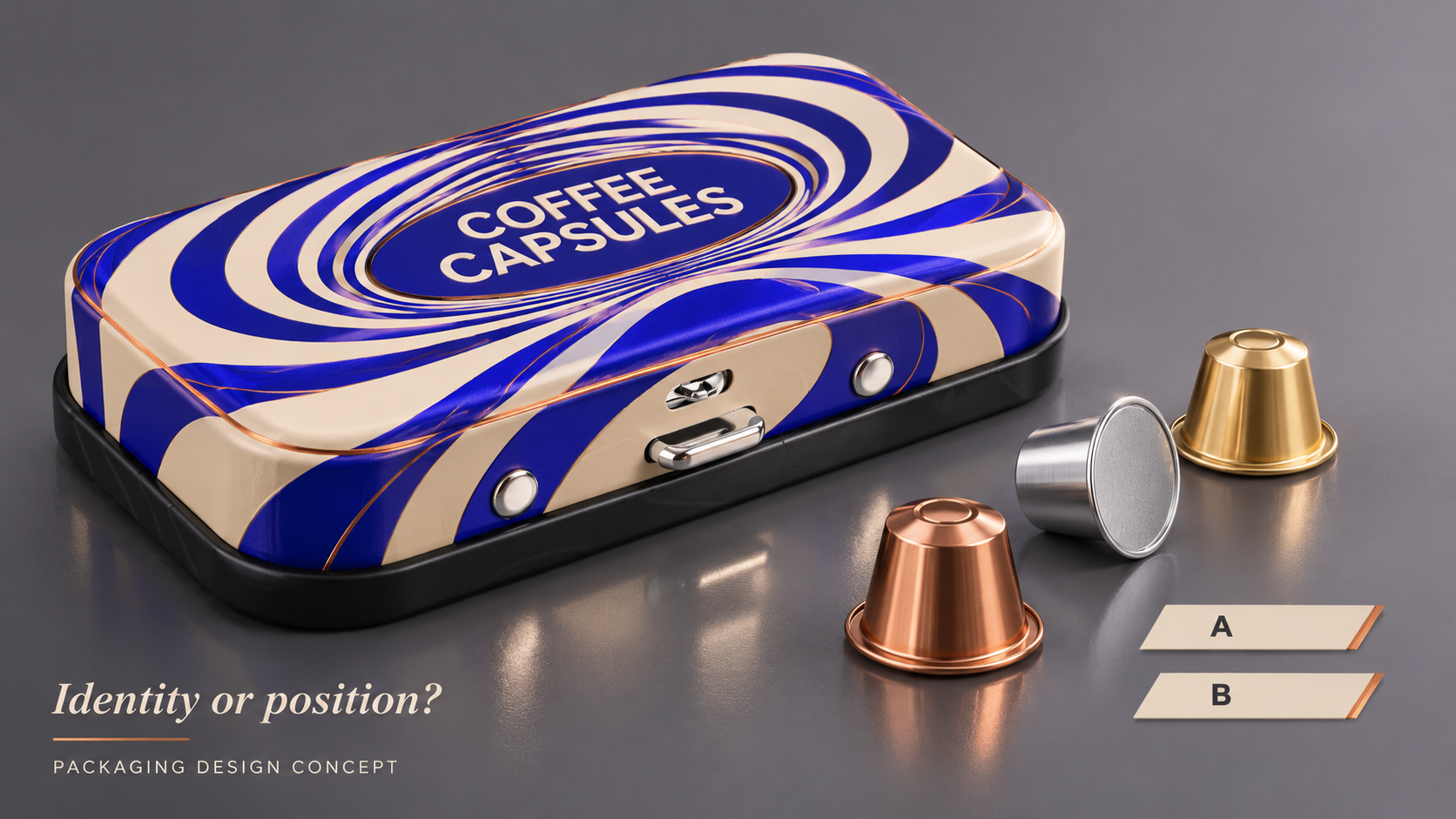
Buying guidesA capsule gift tin looks orderly when full, but after the first capsule is removed the team is unsure whether the remaining positions still identify the varieties. First decide whether location carries product meaning. If it does not, a fixed-position map may be unnecessary; if it does, the partial-use scenario belongs in review.
Read guide → 
Buying guidesA chocolate project is described as wrapped, yet no one can say whether the paper is a loose decorative fold or the specified individual pack. Asking for every certificate at this point can produce a folder that does not answer the actual interface question. Identify the arrangement before deciding what evidence to request.
Read guide → 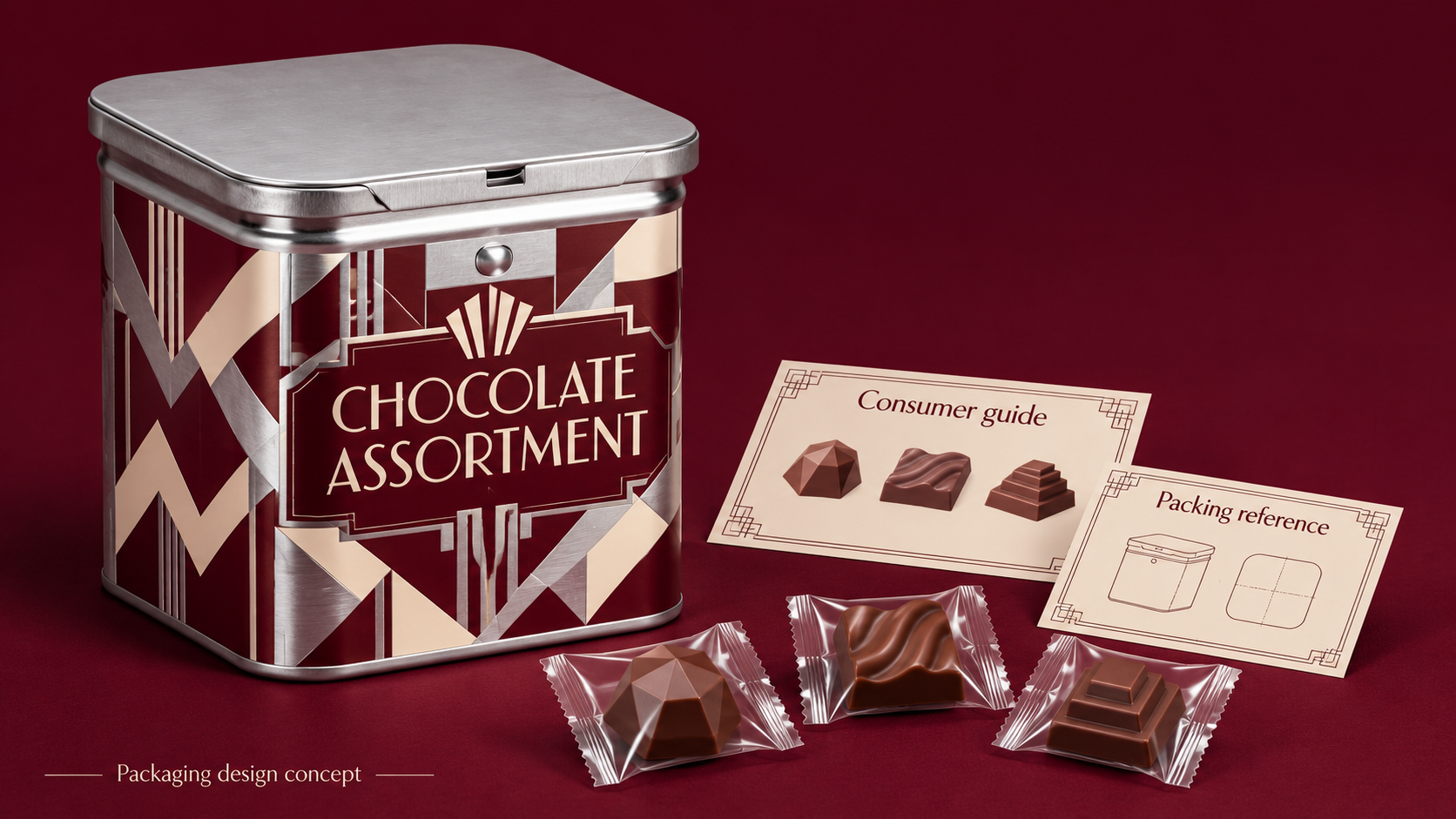
Buying guidesThe chocolates match the intended assortment, but two pieces sit in positions different from the customer identification card. That can be more than a presentation disagreement: the map may communicate the wrong identity. Decide whether the map is a consumer guide or an internal packing drawing before revising either one.
Read guide → 
Buying guidesChoose the arrangement around what the recipient should see and do, not just how many wrapped bars enter the empty container. A stack, defined positions and a removable inner pack create different access, presentation and assembly tasks. Compare those complete proposals with the actual wrapped products.
Read guide → 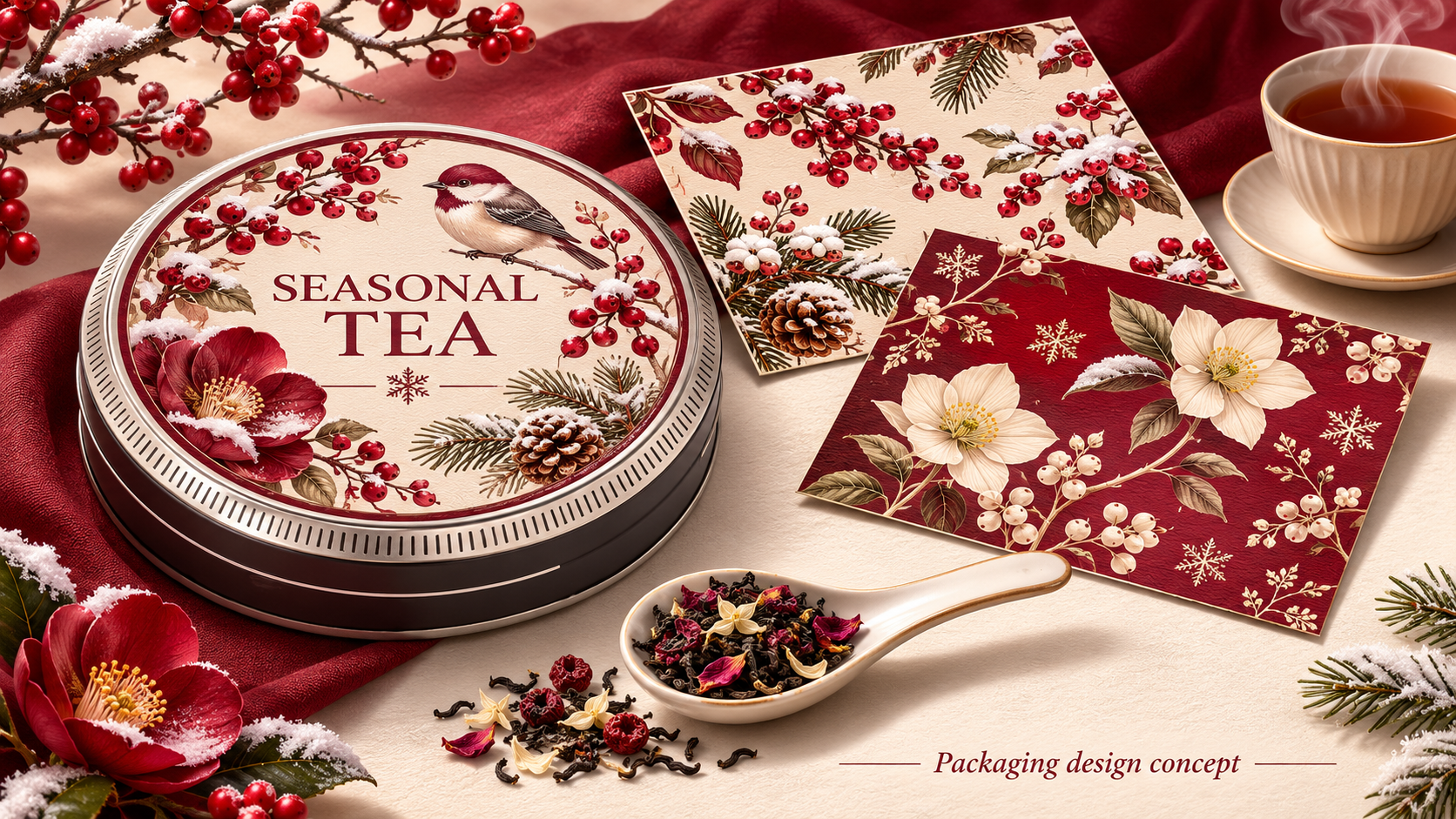
Buying guidesA seasonal refresh is treated as a graphics task until a new product assortment introduces a different tray. The quotation and sample request now describe too little work. Classify the actual differences before calling the project a repeat with new artwork.
Read guide → 
Buying guidesA new paper band names the current collection while the tin underneath still describes an older offer. Covering the message does not by itself settle what the customer sees after removing the band. Review the combined presentation, not just the newest file.
Read guide → 
Buying guidesA campaign sleeve design is approved while the tin reference remains undecided. When a different lid profile is chosen, the team discovers that the approval only covered a visual idea. Separate work that can progress provisionally from work dependent on the actual configuration.
Read guide → 
Buying guidesA windowed concept shows the food, but the final product is inside an opaque inner bag. The proposed feature may no longer deliver its intended visual purpose. Resolve what the customer should actually see before committing to a structural feature.
Read guide → 
Buying guidesThe brief asks for the raised effect in a competitor photograph, but the team has not identified whether it values shape, print alignment or overall appearance. A photo communicates direction; it does not supply manufacturing geometry or establish availability on the proposed lid.
Read guide → 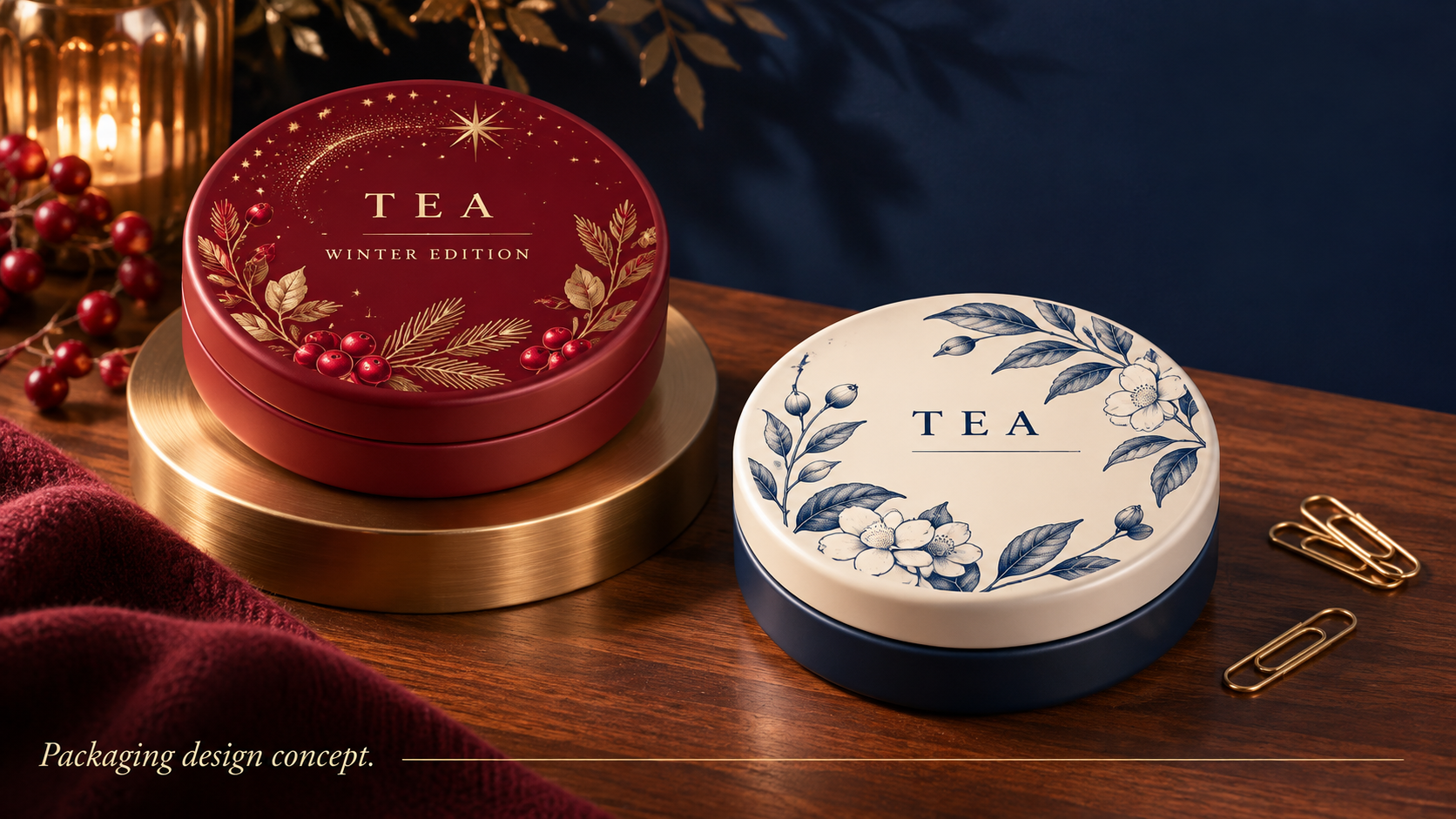
Buying guidesA seasonal tin can be designed as a souvenir or proposed for a particular later use. Those are different briefs. Choose the intended scenario before paying for decoration or adding a broad reusable claim: a dated anniversary design may support collecting while conflicting with a neutral everyday-storage concept.
Read guide → 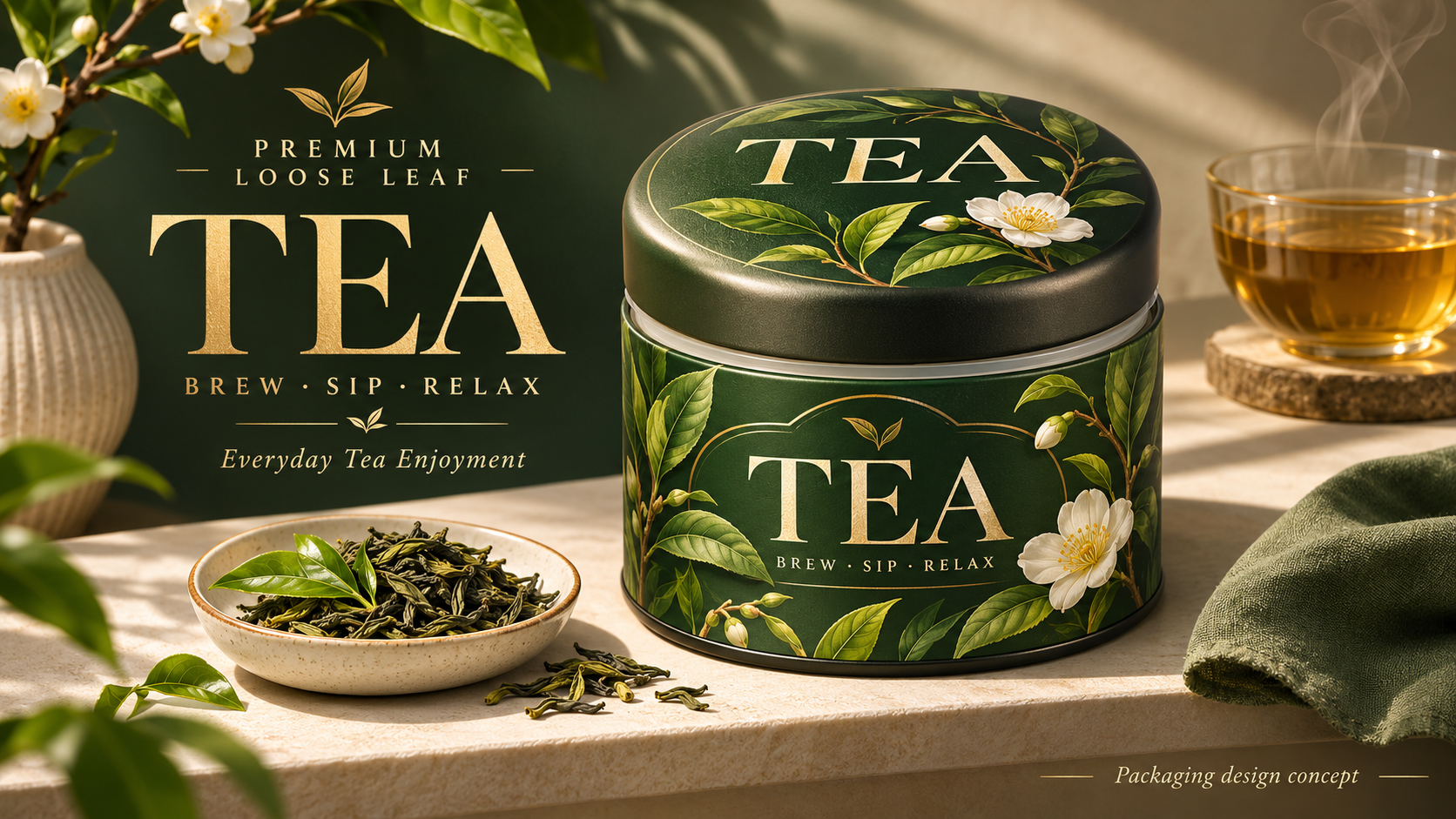
Buying guidesWhen the retail shelf exposes the sidewall while the campaign photograph emphasises the lid, increasing every text element is not a useful first response. Establish the actual facing, then choose whether to move the message, change the display proposal or reconsider the pack format.
Read guide → 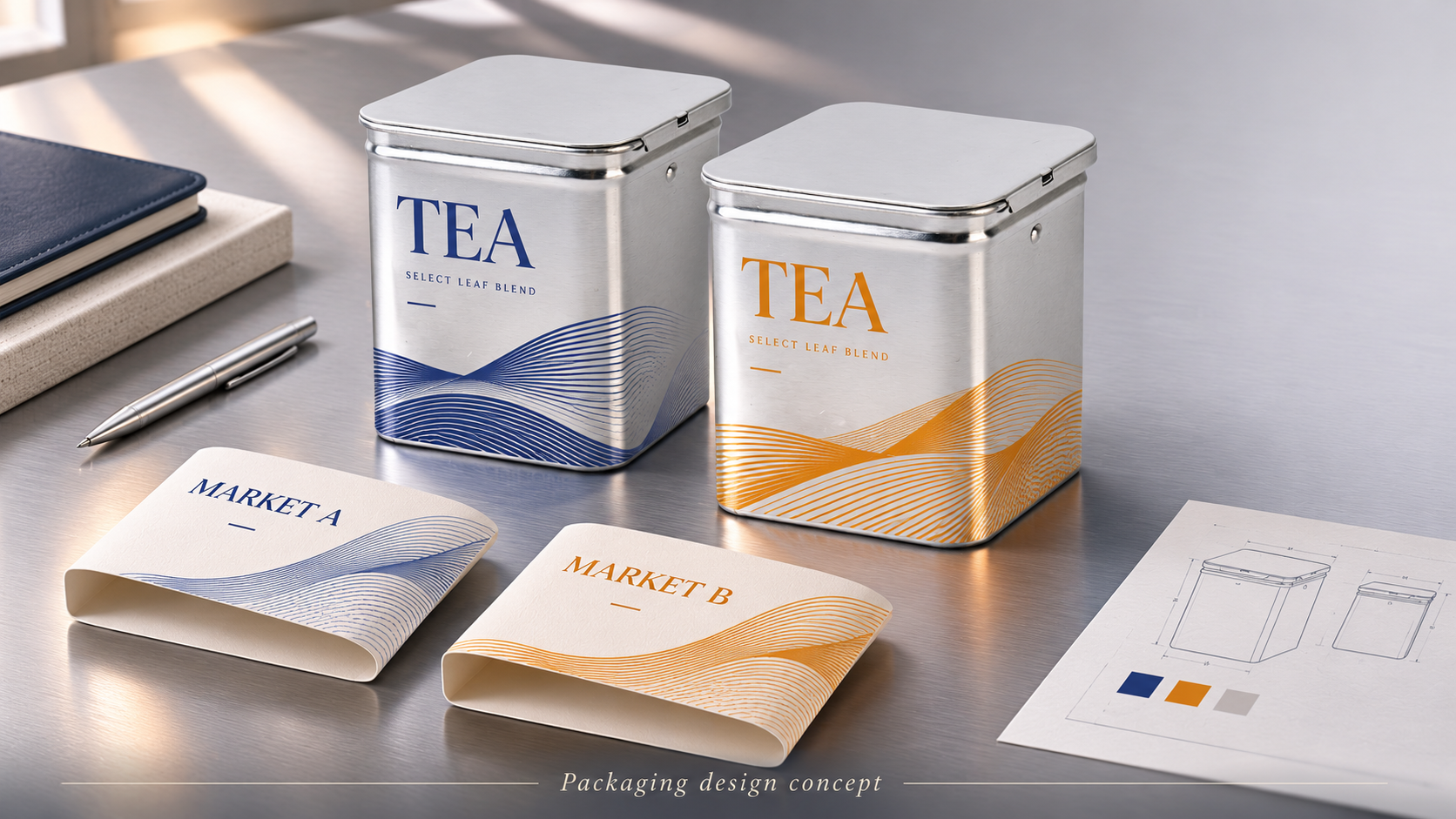
Buying guidesA common tin body can postpone some market-specific decoration decisions, but it also introduces component identification and application work. Compare the complete stock and work arrangement rather than assuming fewer body designs means a simpler or cheaper project.
Read guide → 
Buying guidesDefine what a subscriber receives first and what arrives later before requesting tin quantities. A starter set and a refill shipment are different offers even when they share a subscription name. Confusing them can produce the wrong component request and artwork that describes contents no longer included.
Read guide → 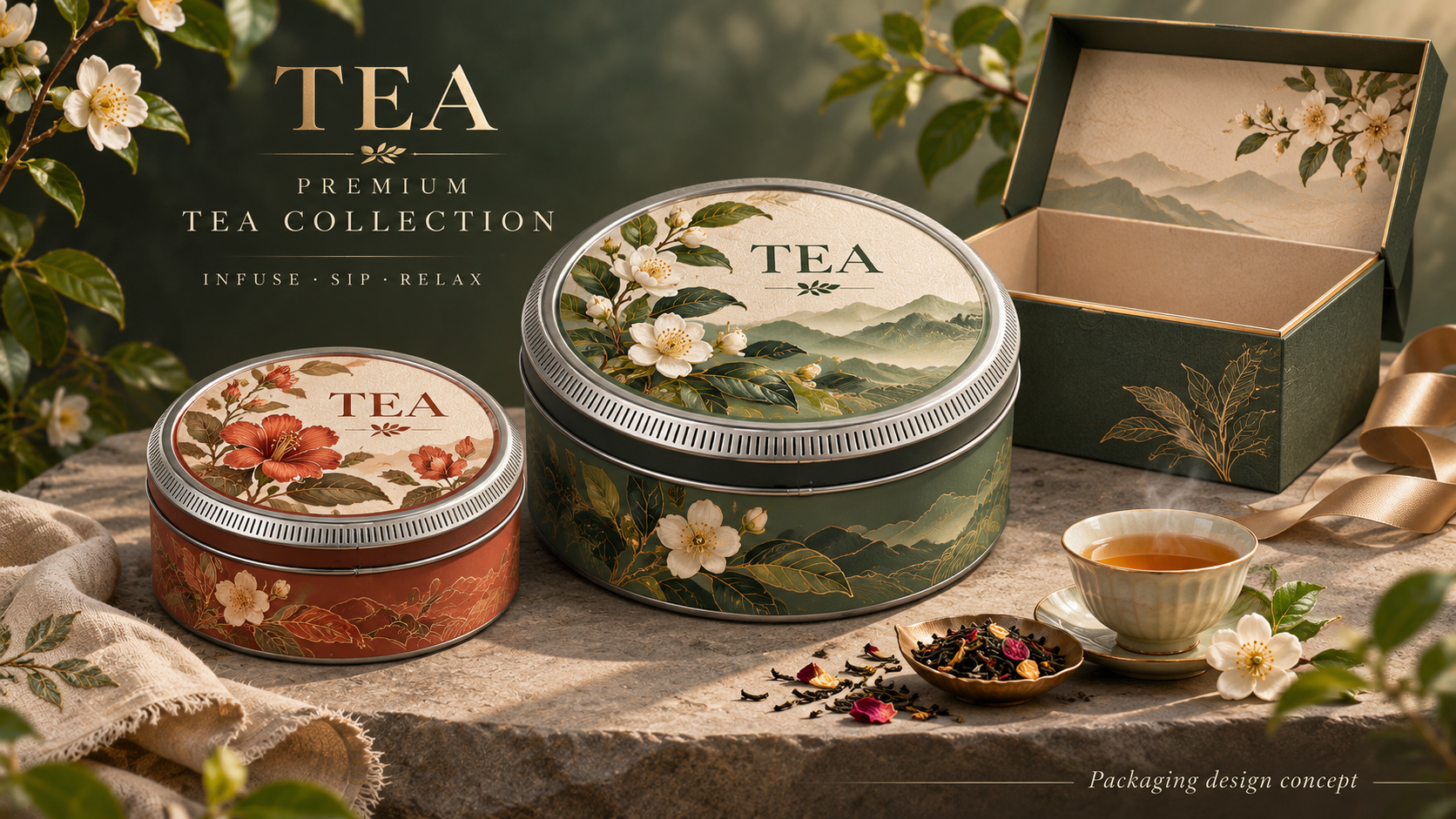
Buying guidesAn outer presentation should be reviewed for removal as well as placement. If two tins sit neatly together but one cannot be grasped as intended, identify the blocked action before choosing a larger box or redesigning the tins.
Read guide → 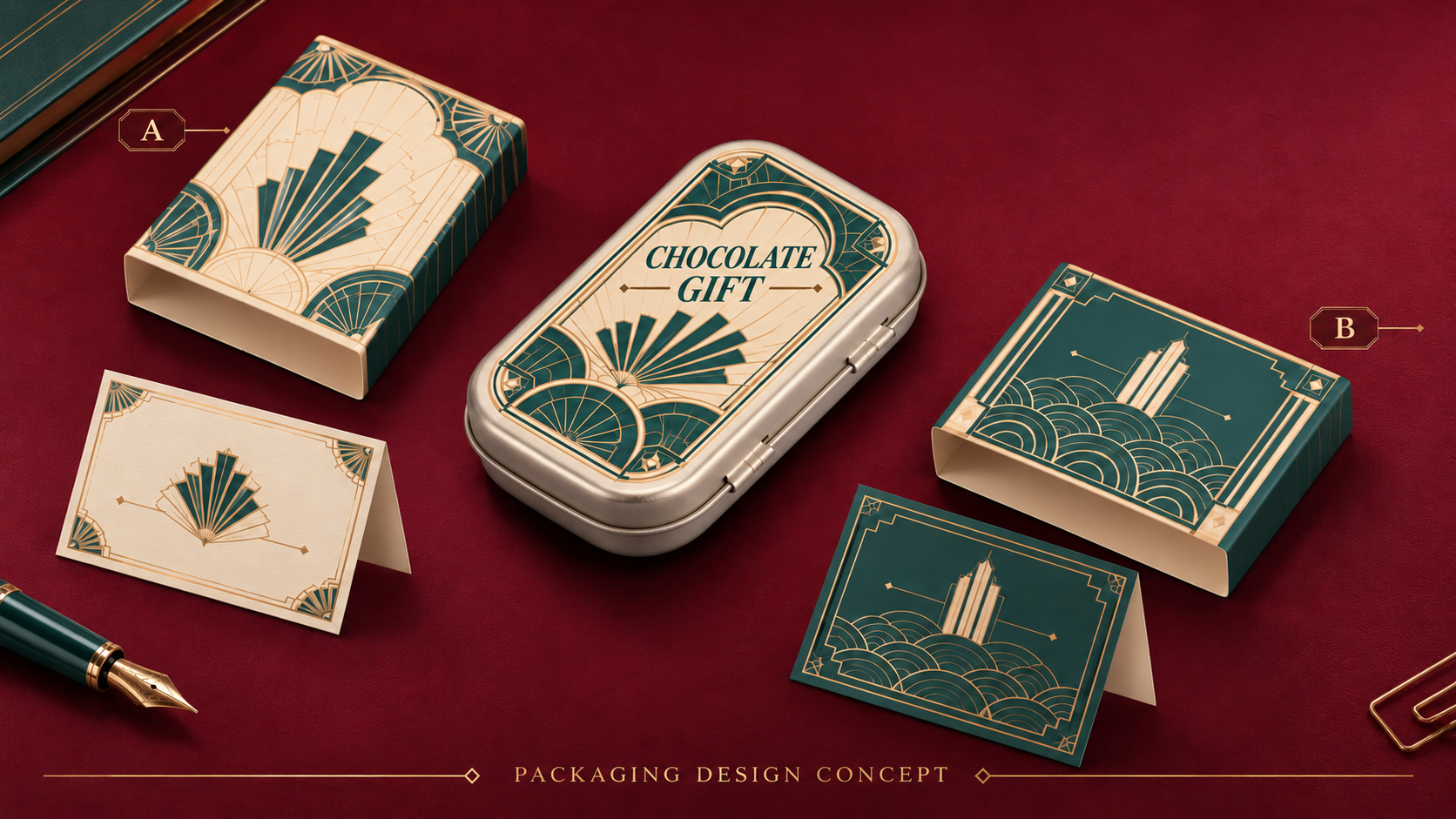
Buying guidesIf a card must bend or be removed awkwardly before the contents can be accessed, establish what the card is supposed to do. A greeting can have more placement freedom than information the brand intends the recipient to encounter first. That distinction should guide the proposed revision.
Read guide → 
Buying guidesDo not choose one sample as a universal master merely because it is the most complete-looking object. A colour reference, structural sample and packed-product sample can represent different decisions. Identify the role of each before requesting another matching sample.
Read guide → 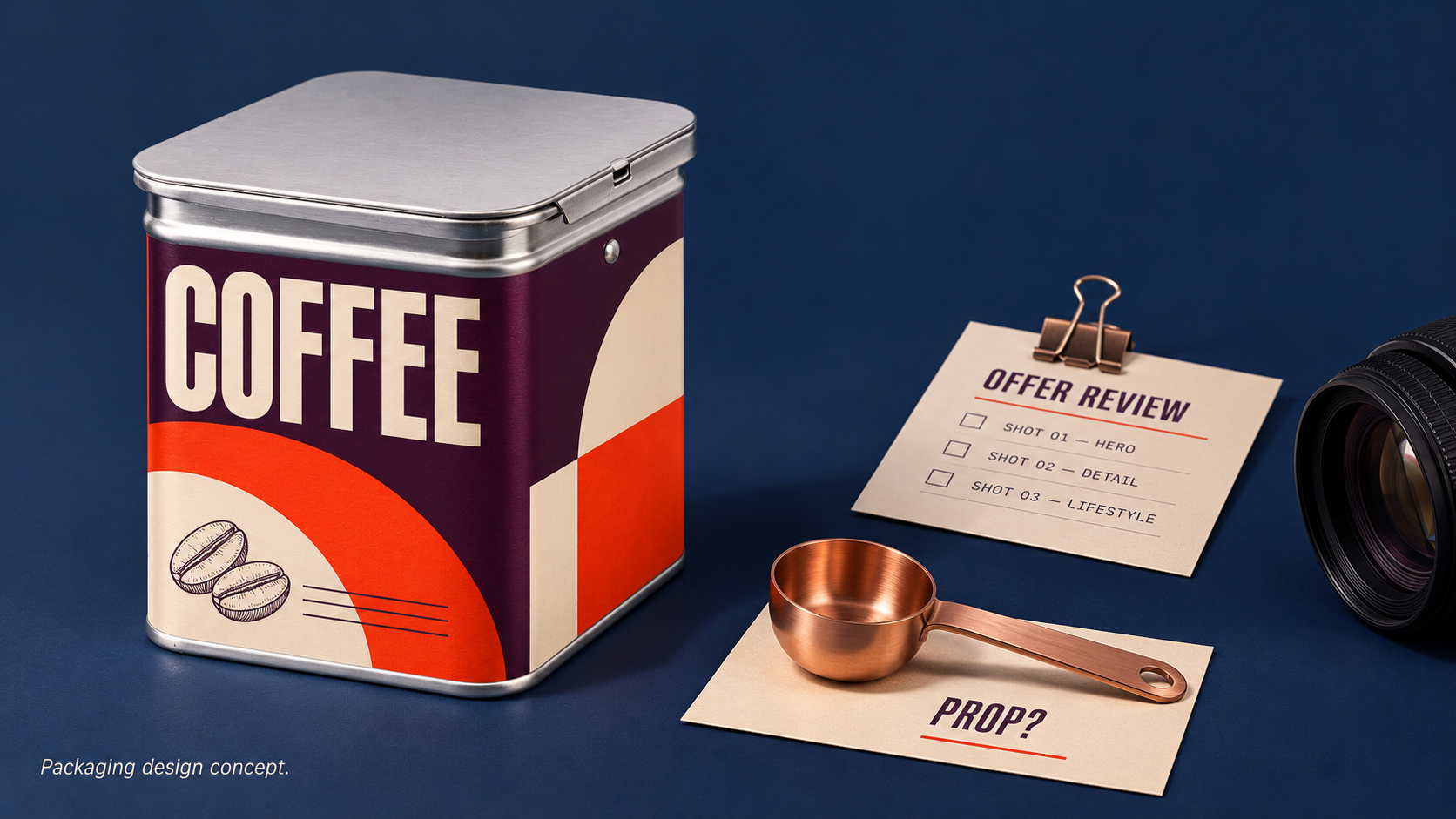
Buying guidesCompare the image with the actual selling unit before approving it for use. An attractive scene can include props, optional items or provisional components; the content owner must decide whether the presentation accurately communicates what the customer receives.
Read guide → 
Buying guidesA sleeve can be evaluated for a presentation change, but it cannot by itself resolve unknown stock condition or a mismatch with new contents. Separate the reason the old stock is difficult to use before pricing a rework idea.
Read guide → 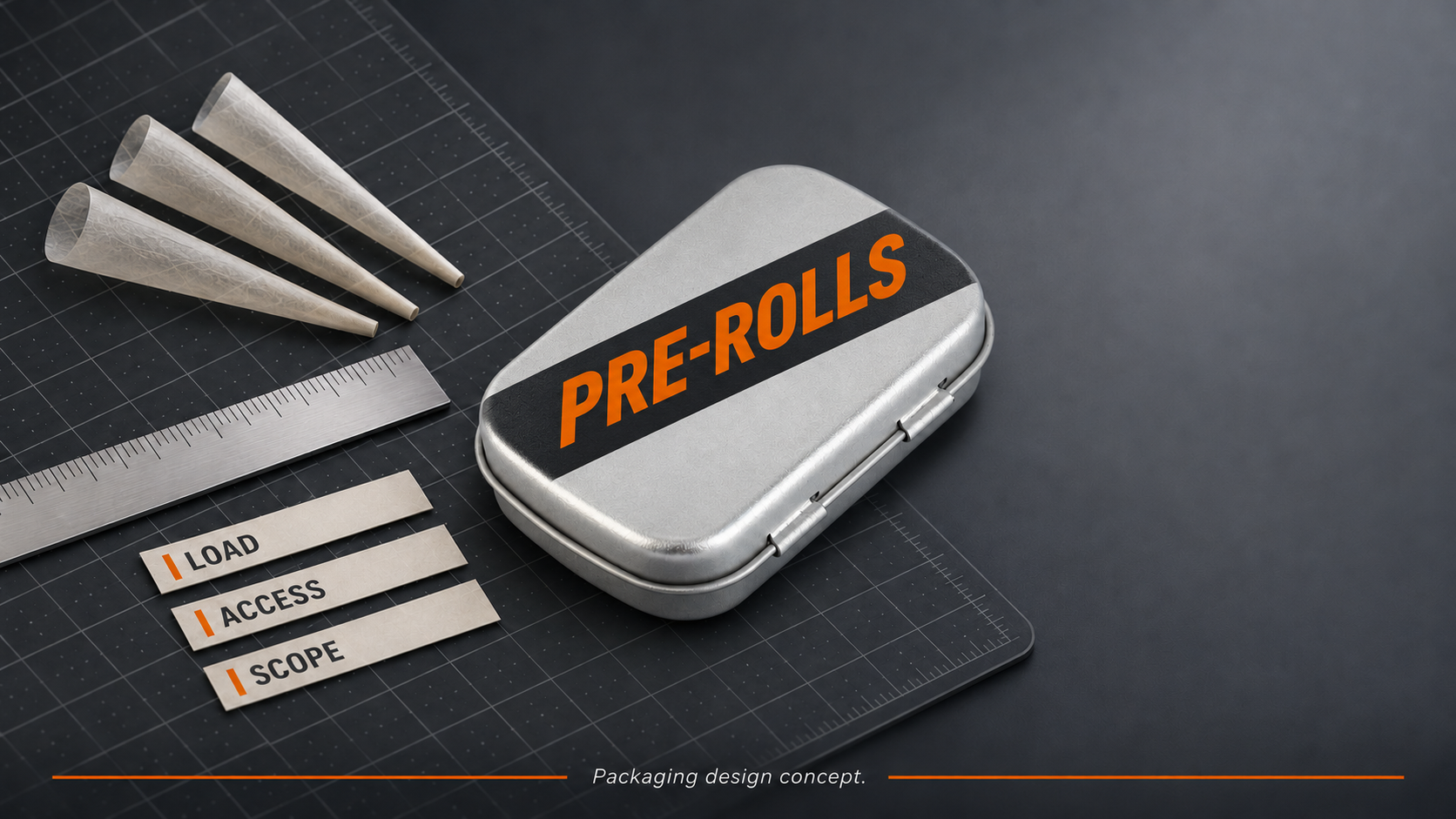
Buying guidesA trial is useful when its result can change a purchasing decision. Define that decision before arranging samples: choose between two loading arrangements, investigate a specific access problem or decide whether an outstanding operation belongs in the quoted scope. A general demonstration that the product can be packed leaves those questions open.
Read guide → 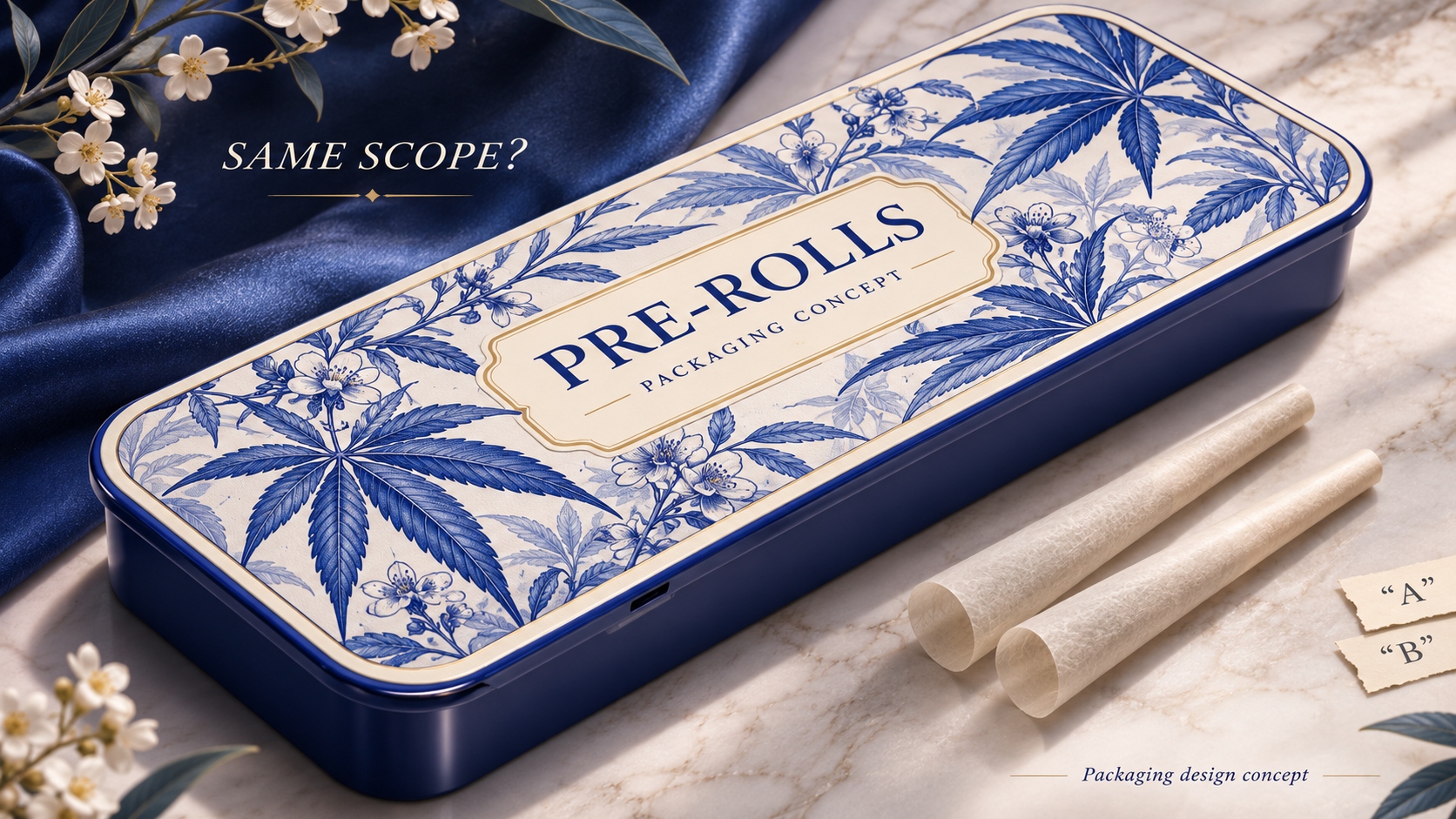
Buying guidesA lower unit price is not yet a saving if the proposals describe different deliverables. Before ranking them, separate comparable offers, unresolved offers and deliberate alternatives. This lets the buyer act on a genuine difference without adding invented allowances to make the spreadsheet look complete.
Read guide → 
Buying guidesDefine the replacement goal before judging the candidate. A specification match, a functional alternative and a temporary supply proposal answer different purchasing needs. The same sample may be promising for one and insufficient for another. Decide what must remain unchanged and who can accept an exception before presenting the new source as equivalent.
Read guide → 
Buying guidesUse this short tool when the proposed order and its attachments do not name the same configuration. The purpose is to remove ambiguity before the next instruction, not to create another generic document register.
Read guide → 
Buying guidesStart with the uncertainty most likely to overturn the selected configuration, then preserve parallel work that does not depend on it. This is a dependency tool, not a numerical risk assessment or a universal order of every packaging task.
Read guide → 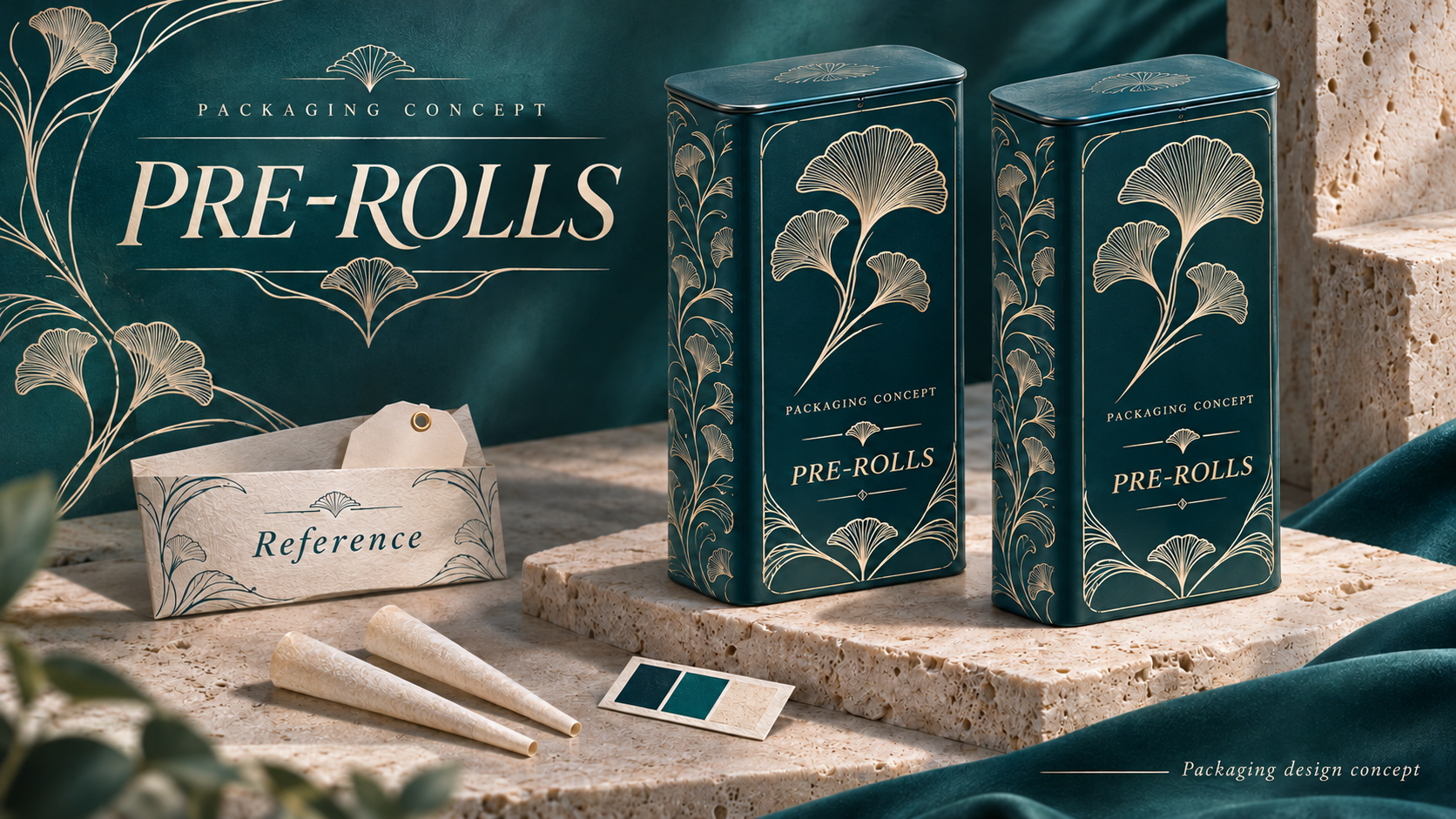
Buying guidesWhen a repeat delivery differs from the sample someone expected, first determine what each reference was approved to represent. A colour sample, a structural sample and a packed-product sample may answer different questions. Do not choose one simply because it is newest or sits in the most familiar project folder.
Read guide → 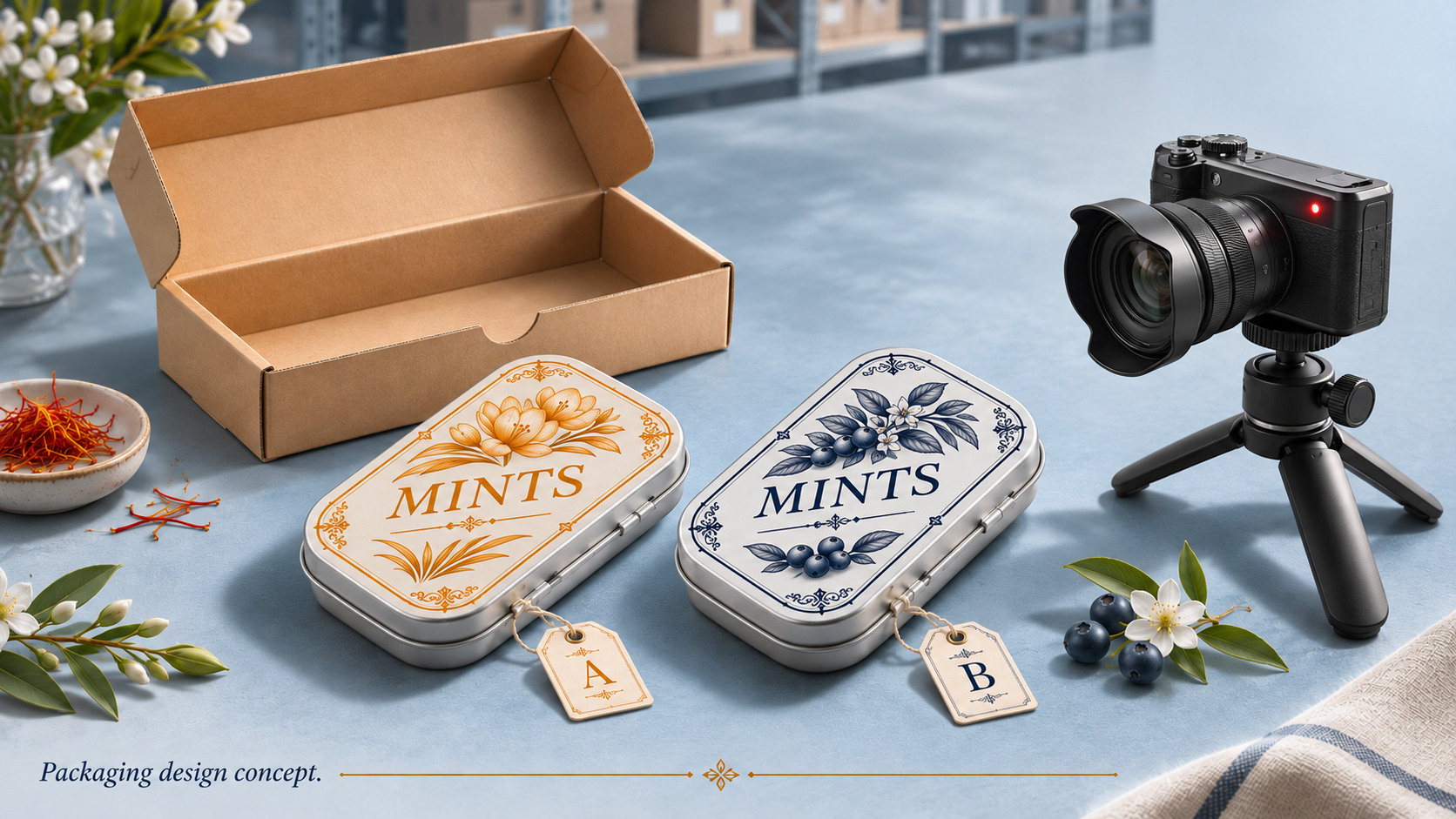
Buying guidesIdentify whether the concern is artwork identity, physical configuration, appearance or the packed assortment. Different observations need different comparison references. Starting with a suspected cause can send the investigation in the wrong direction.
Read guide → 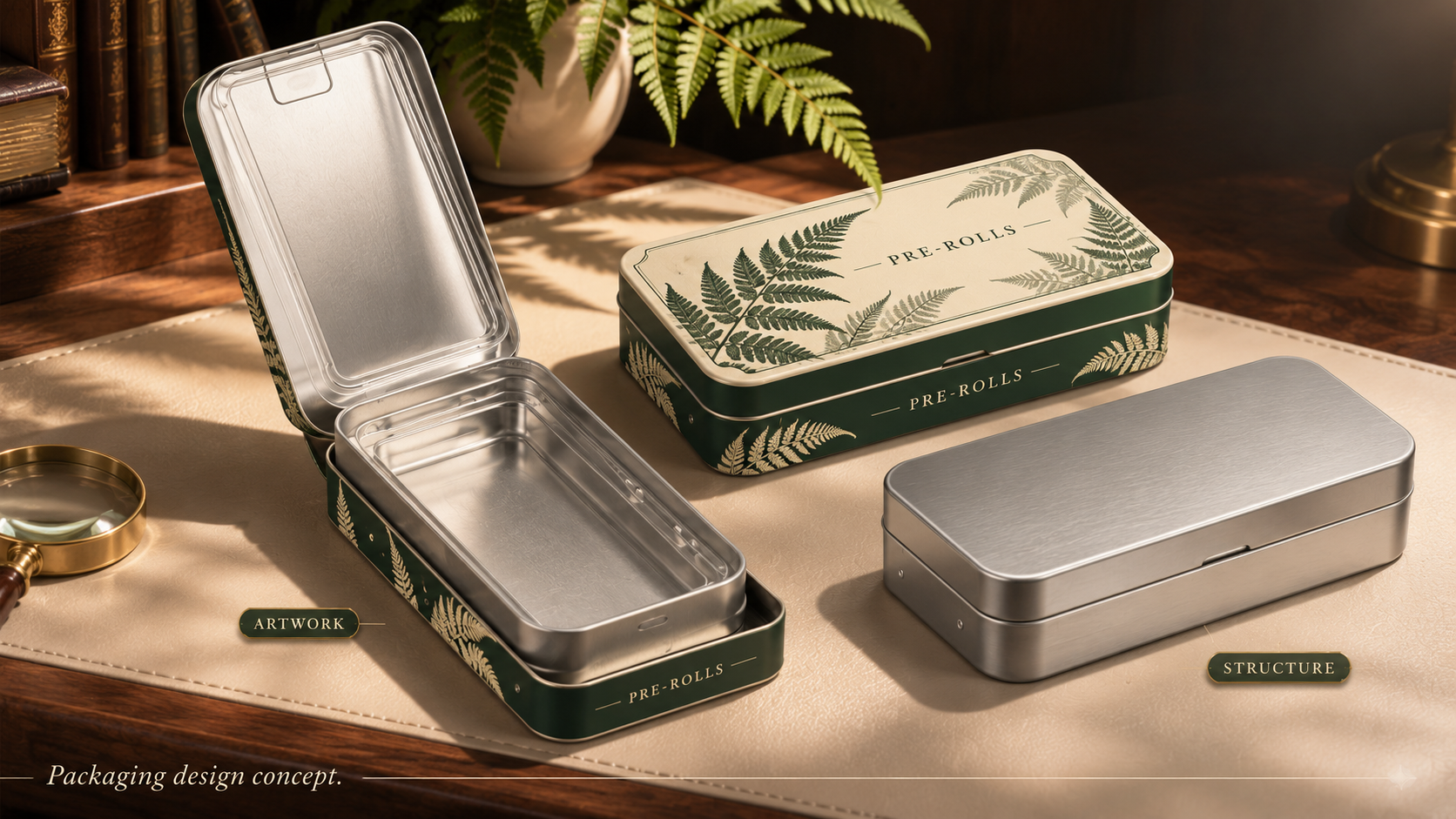
Buying guidesUse this tool when teams hold different physical copies and disagree about what a new delivery should match. First decide whether the copies represent different roles, different revisions or an unresolved condition difference.
Read guide → 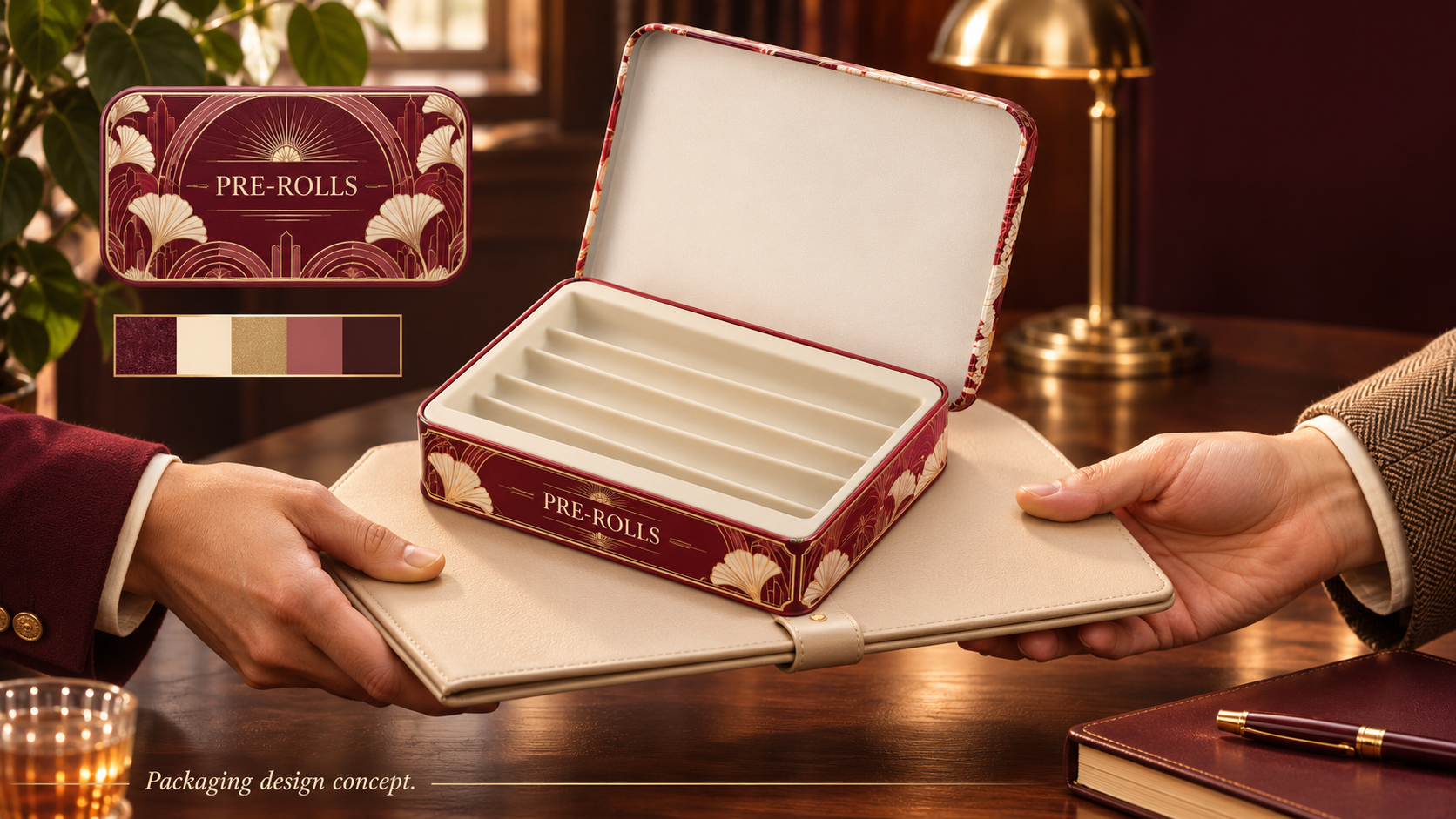
Buying guidesA handover should make the next decision possible without reconstructing the entire inbox. Transfer the current configuration, accepted scope and open exceptions before forwarding the archive.
Read guide → 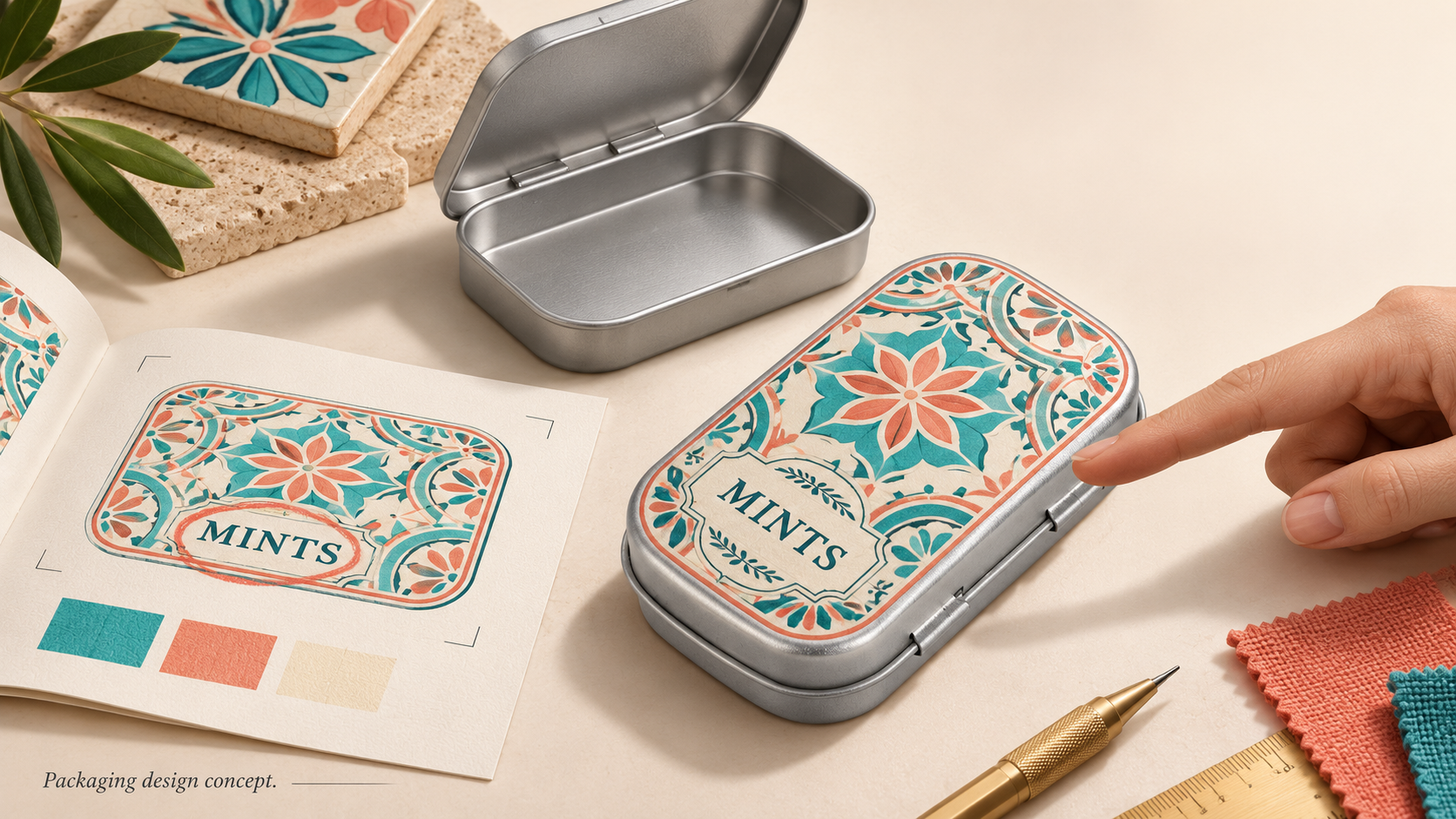
Buying guidesWhen messages circulate without closing a question, identify the decision and required authority before adding more recipients. A person can coordinate a response without owning technical or commercial approval.
Read guide → 
Buying guidesReview the exact public sentence against the actual evidence, not merely whether a document exists. A genuine report can still describe a different subject from the proposed claim.
Read guide → 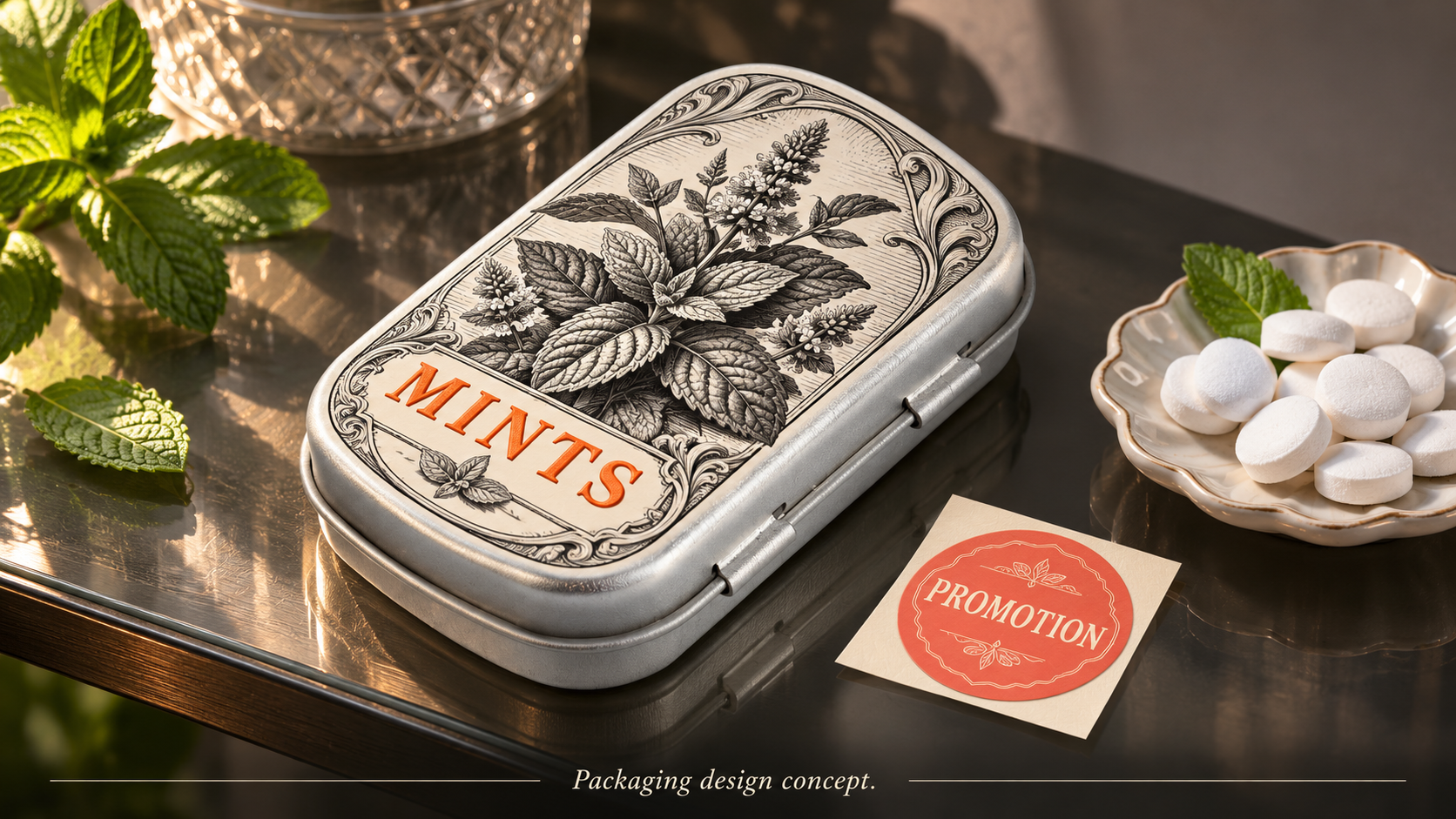
Buying guidesTreat a retailer's added sticker as another information-bearing component. If it covers the variety name or crosses an opening feature, diagnose that interaction before changing the underlying tin artwork.
Read guide → 
Buying guidesBefore comparing prices, list what each supplier delivers and what the buyer or fulfilment partner adds. A complete-looking gift photograph does not establish that one quotation covers the whole selling unit.
Read guide → 
Buying guidesIf the intended first action is unclear, adding another instruction is only one possible response. Compare the role and position of each component before assuming a more elaborate opening sequence is better.
Read guide → 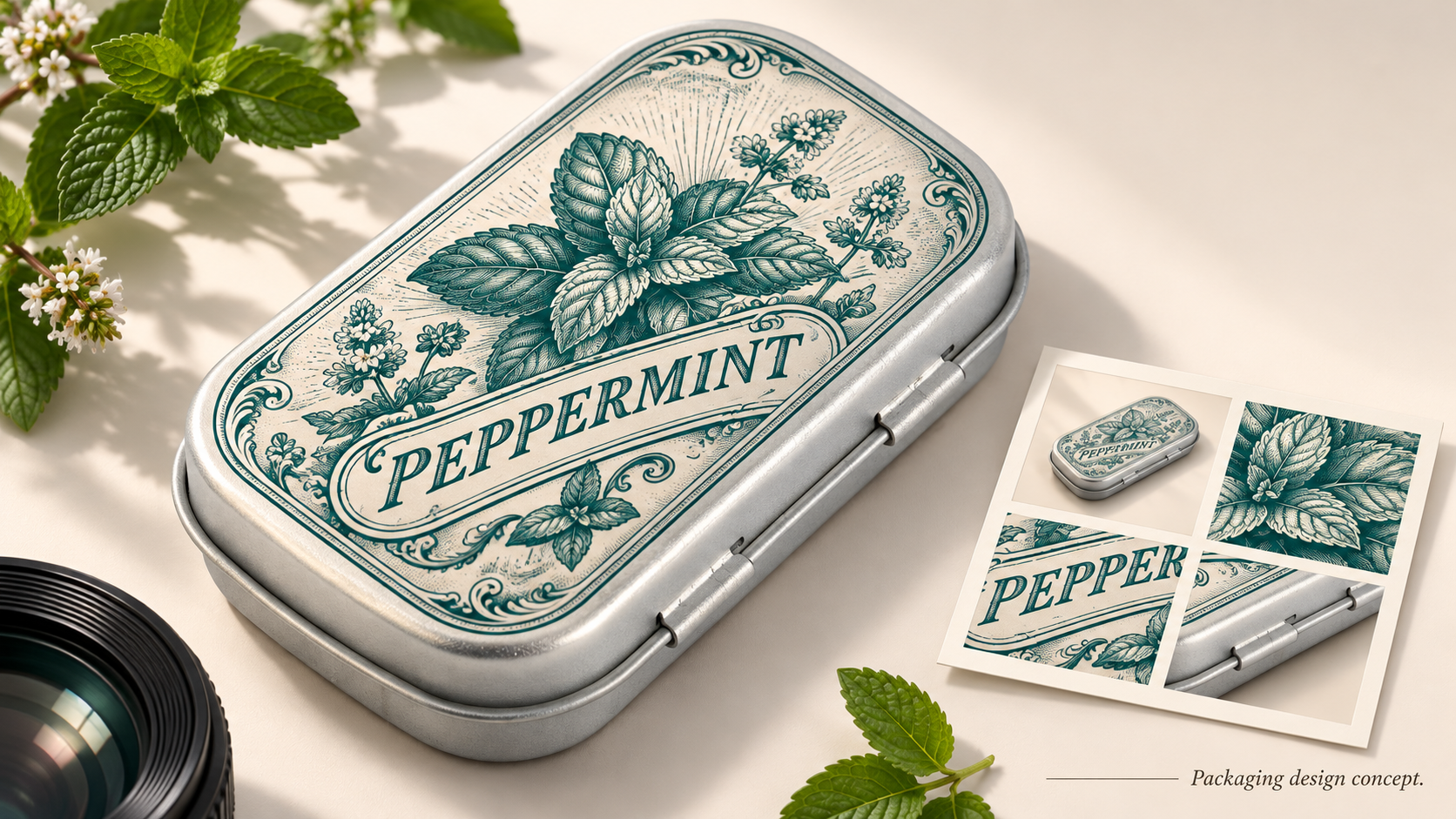
Buying guidesSupply a traceable overall view and a relevant detail rather than only an unexplained crop. The recipient needs to locate the observation and identify what comparison is requested.
Read guide → 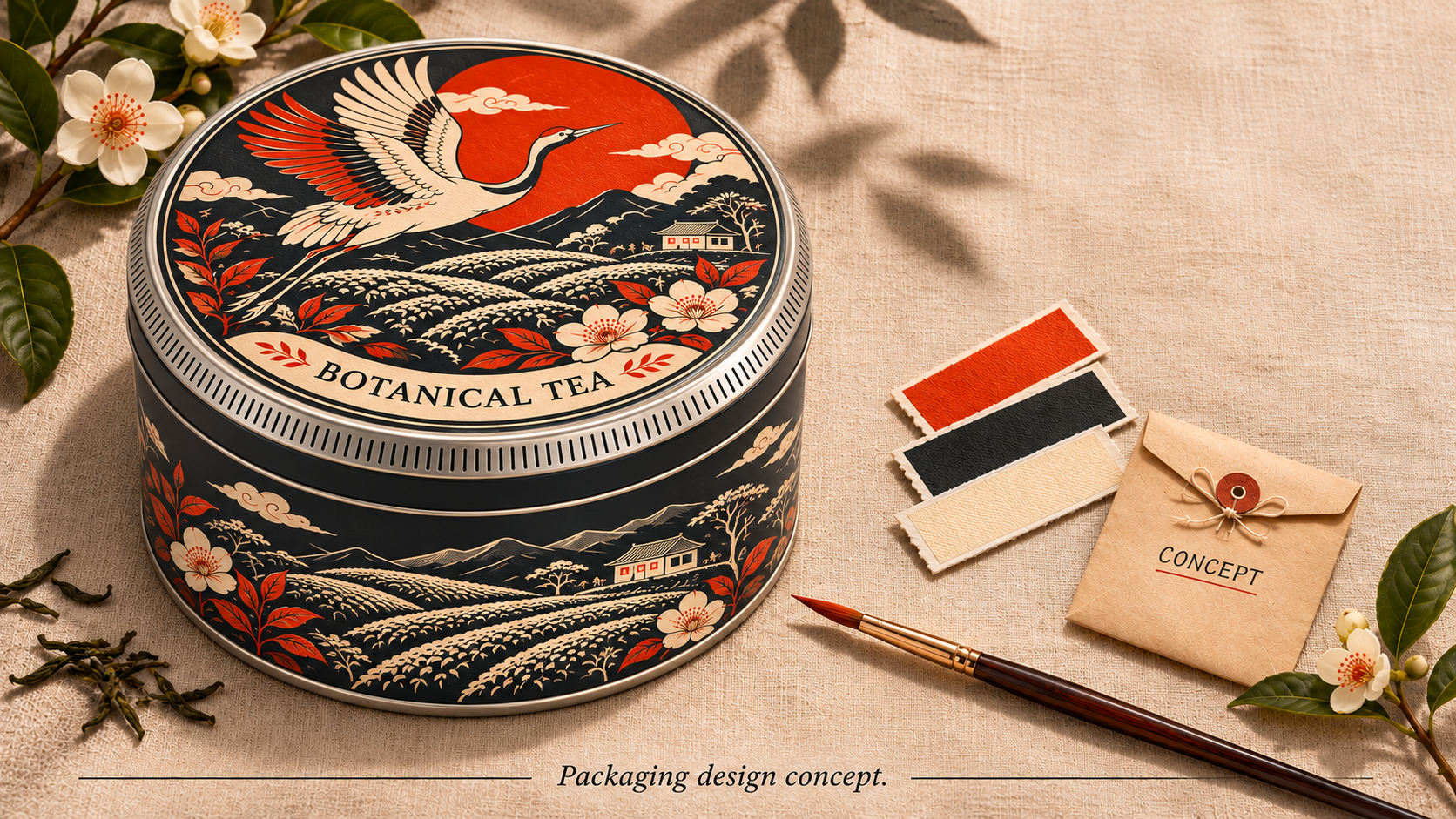
Buying guidesSeparate production-authorised assets from visual inspiration. Possession of a design file does not establish permission to reproduce every element on packaging. This is a handoff tool, not a legal determination of rights.
Read guide → 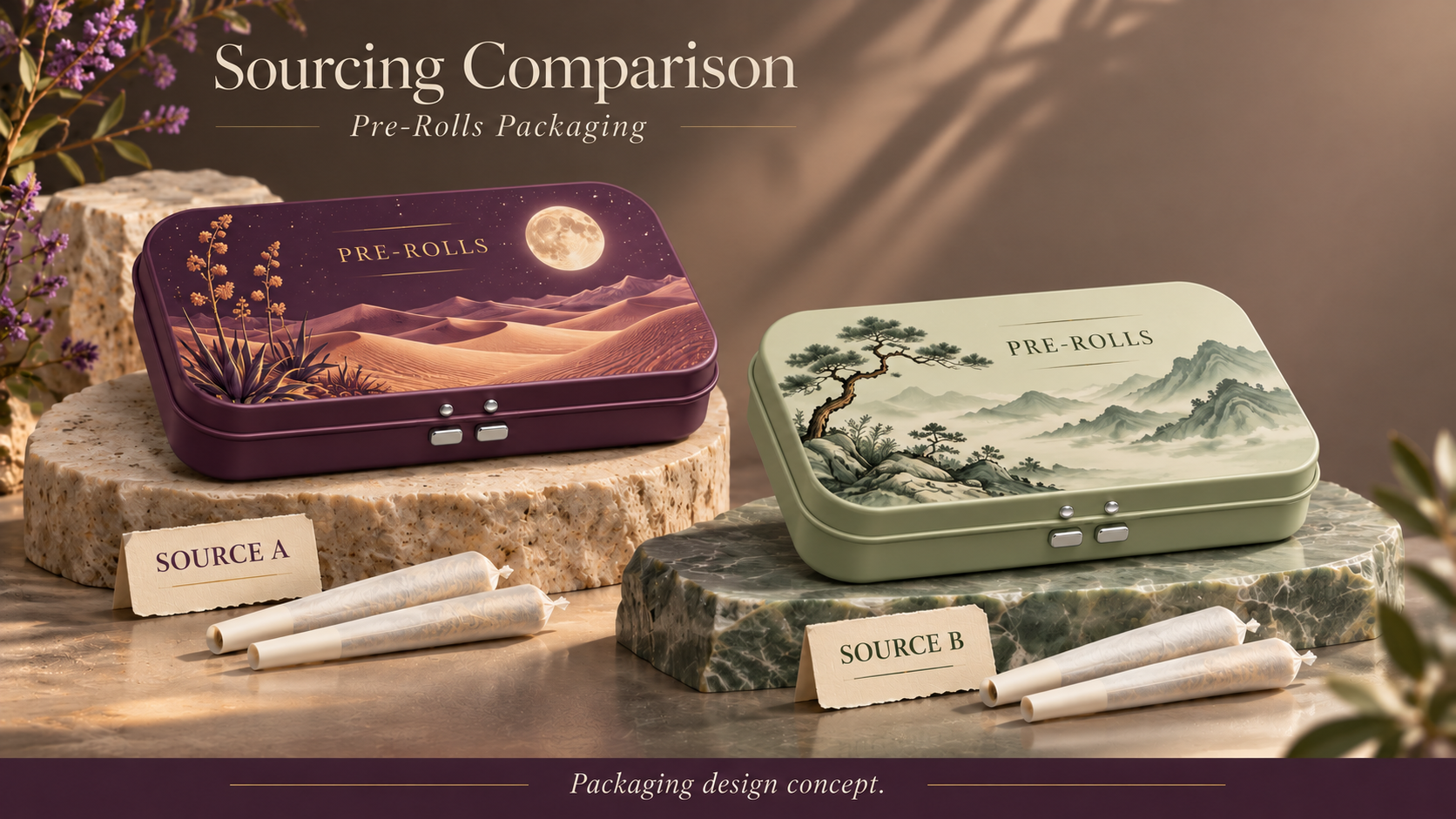
Buying guidesBefore scoring a proposal, distinguish a supplier statement, a reviewed document, an observation and a buyer assumption. Missing information should remain missing rather than acquiring a plausible-looking value from another supplier or an unrelated order.
Read guide → 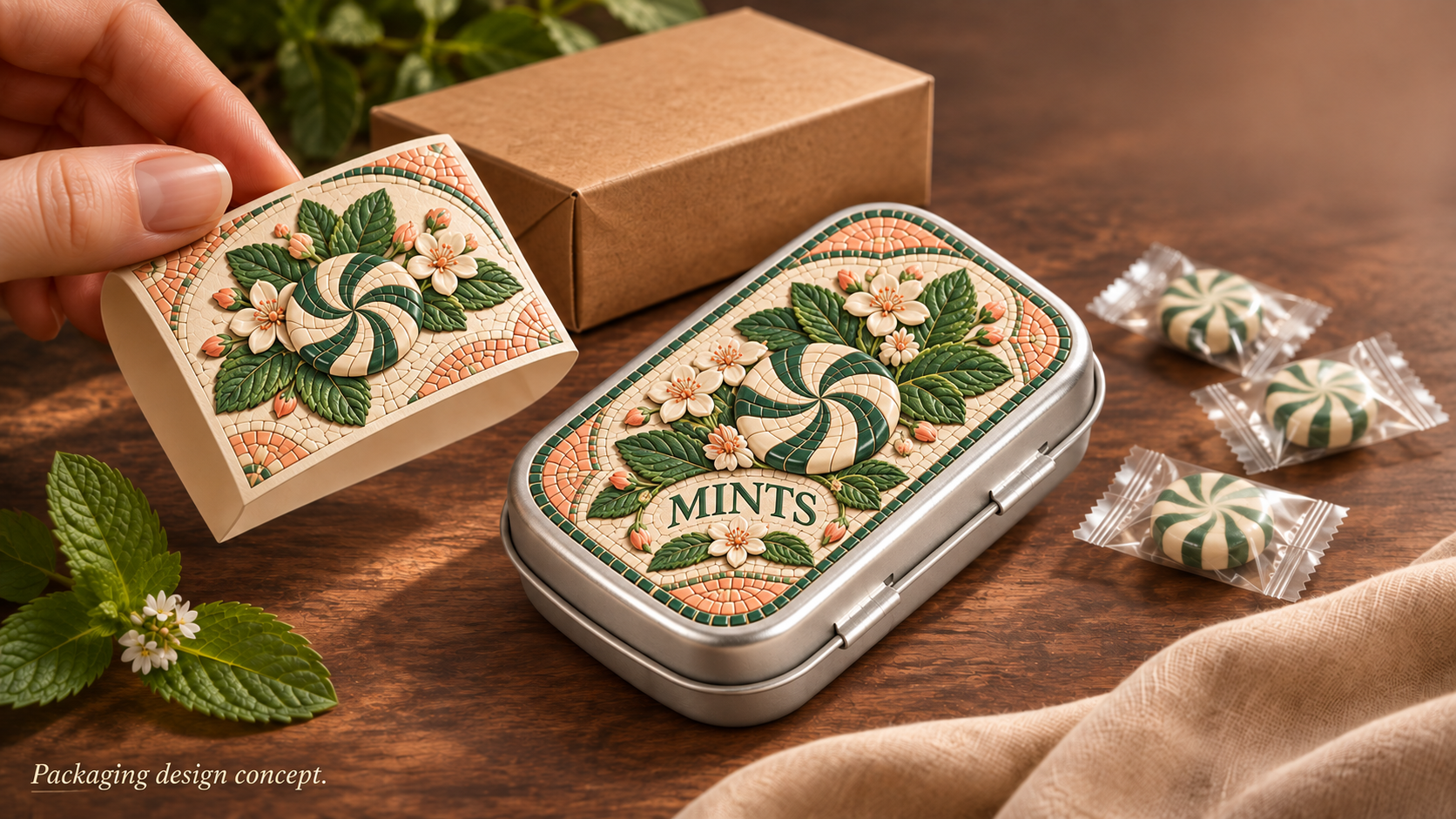
Buying guidesCompare the delivered condition and finished output before ranking manual packing routes. A fitted-insert proposal and loose-component proposal do not start at the same point. A lower component price does not settle the cost of the buyer's complete operation.
Read guide → 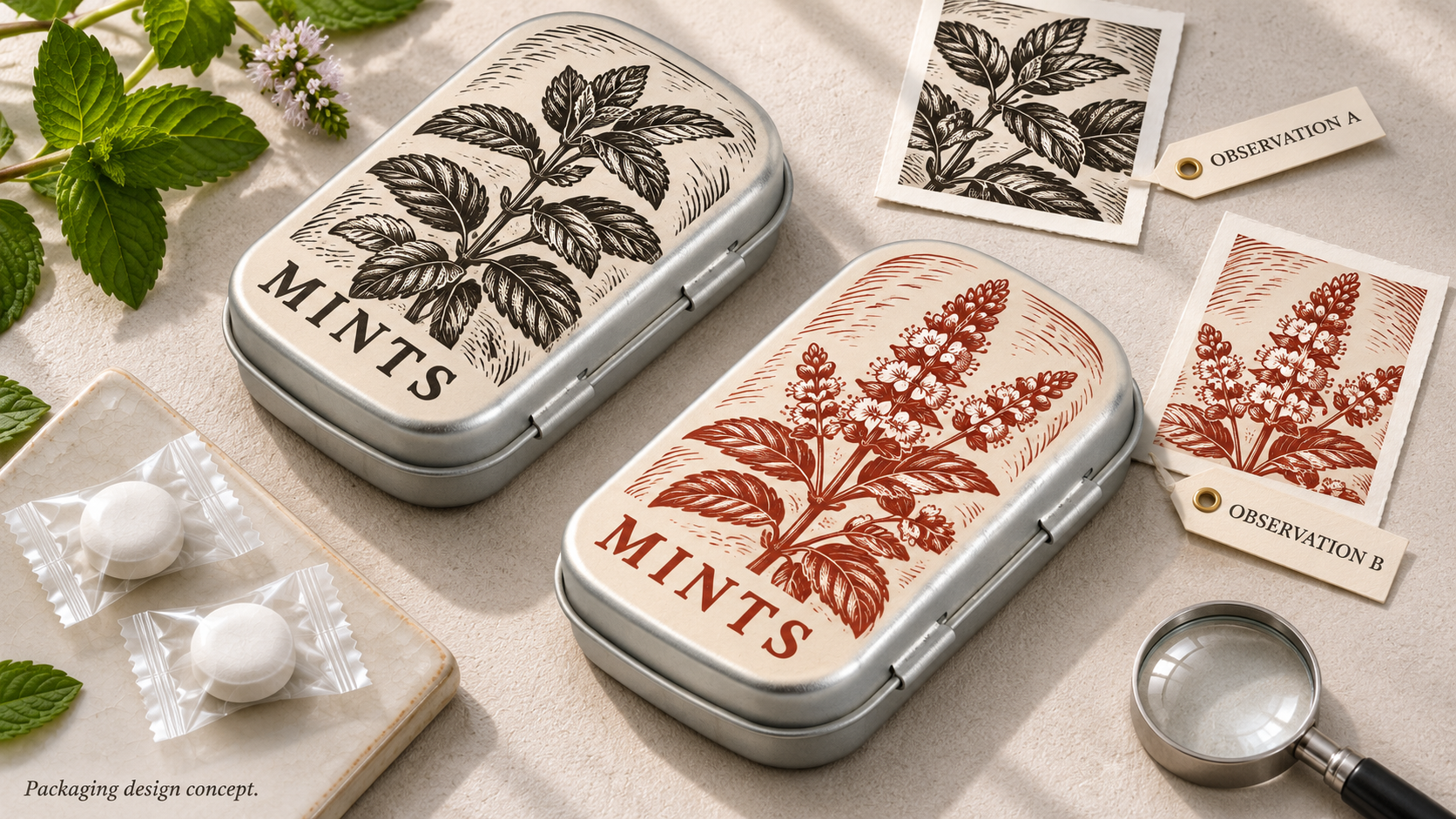
Buying guidesBefore treating repeated observations as a common cause, compare their configuration and circumstances. Similar-looking marks or closing concerns can require different investigations. This tool does not prescribe statistical treatment or acceptance limits.
Read guide → 
Buying guidesCheck where version identity is lost between receiving and the packing station. The original carton can be correctly marked while an internal staging container no longer identifies its contents. Do not assume a later mixture proves incorrect supplier packing.
Read guide → 
Buying guidesPlan complete configurations rather than adding all component receipts together. A shared body can support several artwork-specific lids, but a total lid count alone does not show that the requested assortment can be assembled.
Read guide → 
Buying guidesUse this worksheet to distinguish an interchangeable backup from a deliberately different alternative. The main question here is the buyer's second-source requirement and information boundary, not how to approve any individual substitute proposal.
Read guide → 
Buying guidesReuse an earlier decision only within its actual scope. A consistent visual range can contain different packed products and internal arrangements. Branding continuity is not evidence that the complete configuration remains unchanged.
Read guide → 
Buying guidesA useful approval identifies the subject, reference and decision. If several questions share an email, a single unqualified word can leave the next team unsure what it may proceed with. This is a communication template, not legal interpretation of authority.
Read guide → 
Buying guidesCloseout should leave the next buyer able to identify what was supplied and what was accepted. If only the first inquiry survives, a repeat project may start with a configuration that was later changed.
Read guide → 
Buying guidesTurn vague tin-packaging requests into specific presentation, loading and retrieval decisions, with the product inputs needed for a useful proposal.
Read guide →