
Display Samples vs Closed Retail Packs: Avoid Approving the Wrong Configuration
Updated:
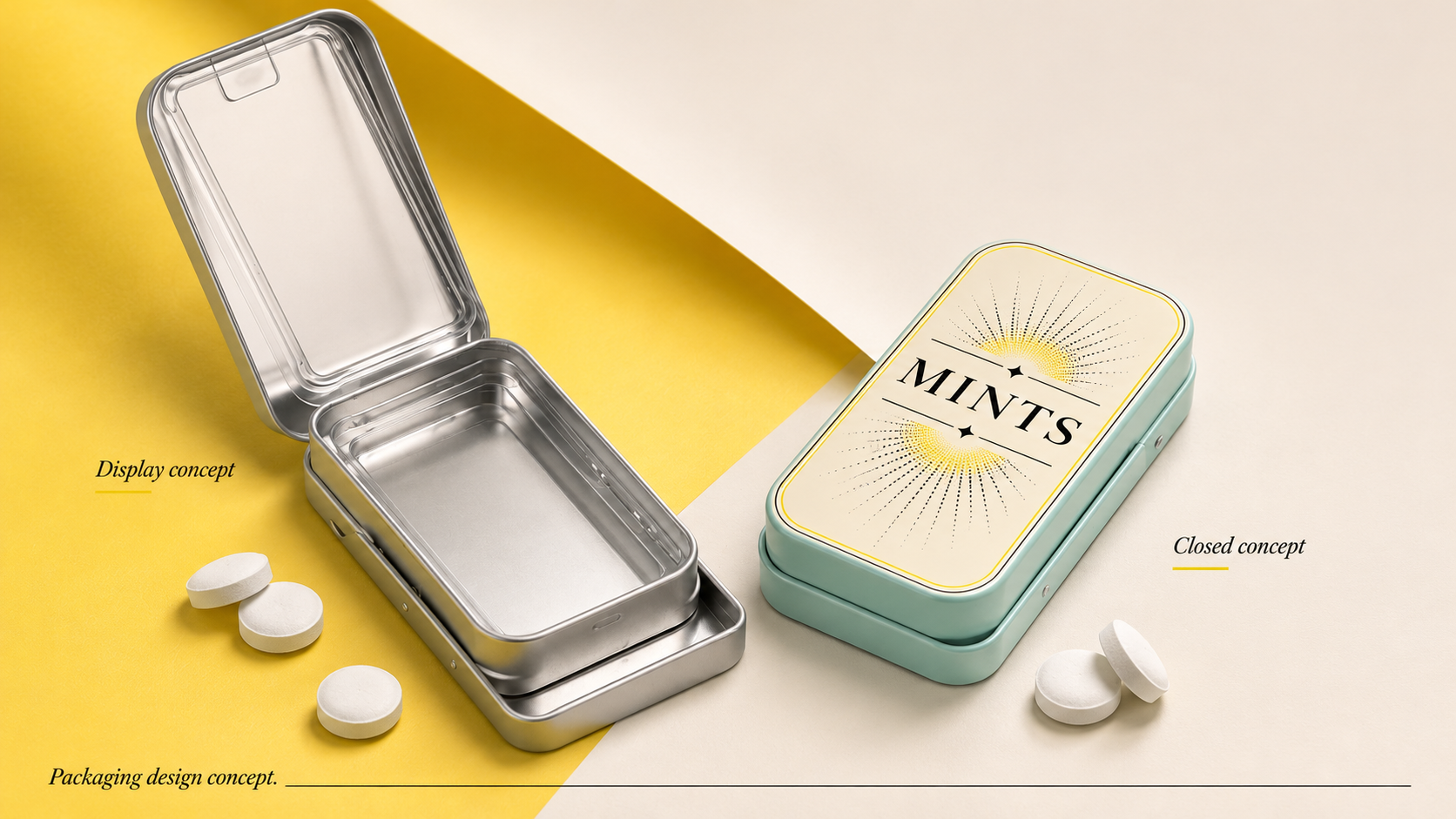

Marketing approves an open display sample while procurement assumes the closed retail configuration is ready. The approval can be valid for appearance and still leave fit, closing or contents unrepresented. Name the sample's role before deciding the next step.
Two samples can answer different questions
A visual reference can support a design-direction decision. A representative closed assembly is needed for questions depending on its actual contents and components. Do not expand one into the other retrospectively. Where the final image still shows a concept, keep that status accurate and ask the brand to align its description with what is actually offered.
Sample-purpose card
Use this worksheet to structure a project-specific decision. It is not a test standard or acceptance limit.
| Reference | Question it may support | Do not infer |
|---|---|---|
| Open appearance sample | Stated visual direction | Closed loaded arrangement |
| Structural sample | Defined configuration task | Final artwork approval |
| Representative packed sample | Specified fit or handling review | Every performance or regulatory conclusion |
State the purpose of the sample
Trade-show samples, photographs and display mock-ups can help a team choose a visual direction. They may also be held open, omit contents or use temporary fittings. Identify what the sample represents before treating it as an approval reference. Ask whether it is intended to demonstrate artwork, overall proportions, opening sequence or the assembled retail configuration. A single attractive object does not automatically answer all four questions.
Identify omitted or substituted parts
Record any component that differs from the intended production pack. A temporary insert, unfinished closure or unrepresentative product dummy should remain visible in the approval notes. These differences may be reasonable during development, but they limit the conclusions the sample supports. The buyer should not rely on a display photograph to establish closed clearance or product removal. Request the appropriate assembled sample for decisions that depend on those details.
Review the closed condition deliberately
For a working sample, review the intended loading and closing sequence with the relevant contents. Note the reference of the body, lid and additional parts. Confirm what the supplier considers the intended closed state and how the instructions communicate it. This is a project observation, not a child-resistance test. Any claim about safety performance requires the applicable evidence for the configuration and cannot be established by repeatedly opening a display unit.
Separate visual approval from release approval
A hypothetical marketing team approves the appearance of an open tin while procurement assumes production can begin. Resolve the misunderstanding by listing the decisions already made and those still pending. The next review might require final components, product samples or documentation. Record that a visual approval remains valid only for its stated purpose; do not retrospectively describe it as acceptance of an assembly that nobody reviewed.
Keep photography from becoming the wrong reference
Once a display sample has been photographed, its image may circulate in presentations, quotation requests and product listings. Label its role clearly in internal records so that another team does not mistake it for the approved retail configuration. Where the final assembly differs, update the relevant project images or explain the difference alongside the reference. A sales image should not become the only evidence available to receiving staff. Retain the drawing and sample identity needed for physical decisions. If the brand chooses to publish a concept image, ensure its description does not imply a tested or available product configuration that has not been established. Visual clarity supports the project, but it cannot replace the missing assembly review.
Prepare the project handover
List what the display sample actually approves and request the final assembly for outstanding physical decisions. Identify any image that no longer represents its stated purpose.
| Record | Why it matters |
|---|---|
| Identified configuration | Keeps the discussion tied to actual parts |
| Observation and scope | Separates evidence from an assumed cause |
| Next decision and owner | Makes the unresolved question actionable |
Can artwork approval on a display mock-up release production?
Only decisions explicitly represented and approved by that sample should be recorded as approved. Final components, closed fit and other unresolved requirements remain separate.
Should a concept image be replaced when the final assembly changes?
Review where the image is used and whether it still accurately represents its stated purpose. Update it or explain the difference rather than letting it become an incorrect assembly reference.