
Empty Tin or Finished Gift Set? Compare the Actual Supply Scope
Updated:
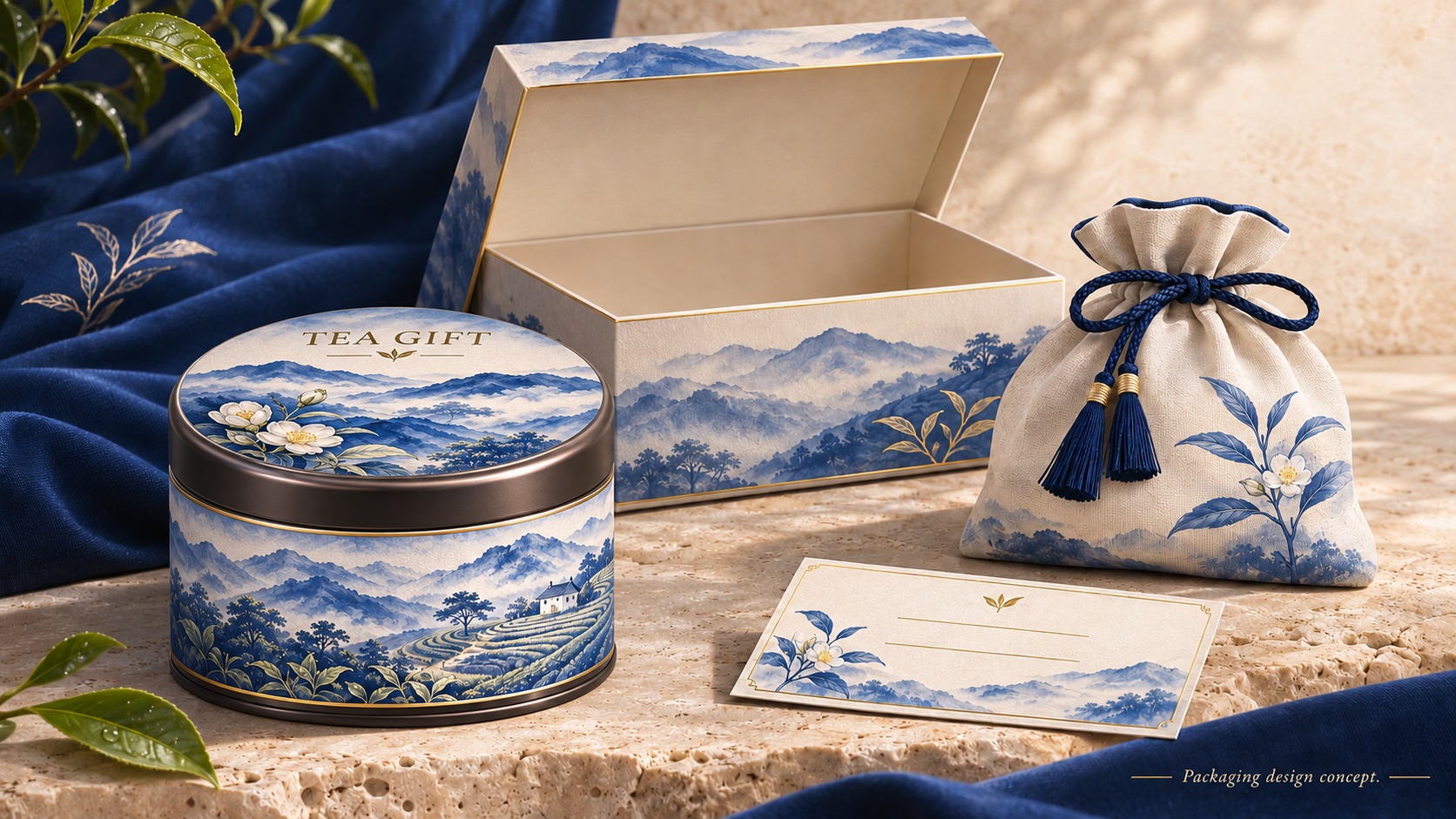

Before comparing prices, list what each supplier delivers and what the buyer or fulfilment partner adds. A complete-looking gift photograph does not establish that one quotation covers the whole selling unit.
Compare the supply routes
Ask about capability and scope for the actual proposal; do not assume a supplier offers every route.
| Route | What needs identification | Main interface question |
|---|---|---|
| Supplier delivers empty tin | Body, lid and included internal parts | Who adds and reviews contents? |
| Supplier supplies some components separately | Each part and supplied state | Who assembles the accepted configuration? |
| Complete set is proposed | All components, contents and work in scope | Who approves the finished arrangement? |
Find the unowned interface
Hypothetically, a tin supplier provides the container while a fulfilment partner adds a pouch and card. If the container sample was reviewed without those items, the complete arrangement remains a separate question. Name who supplies the final references and who reviews the interactions.
Include the relationship between outer presentation, tin and contents. Individual component approval does not automatically approve their assembly or material suitability. Keep any technical evidence requirement with its responsible reviewer.
Compare costs only after the boundary is explicit
Separate component prices from assembly, packing and requested review work. A lower price for an empty tin is not directly comparable with a complete-set proposal. Conversely, additional services should not be presumed included just because the finished offer needs them.
Send the selling-unit list and proposed responsibility map through the engineering inquiry. Use product families for candidate tins, not proof of complete-set capability.
Can different suppliers share one brief?
Yes, within authorised access arrangements. Make the part each party is asked to supply or review explicit.