
Gift Tin Embossing Requests: How Should Buyers Brief the Visual Objective?
Updated:
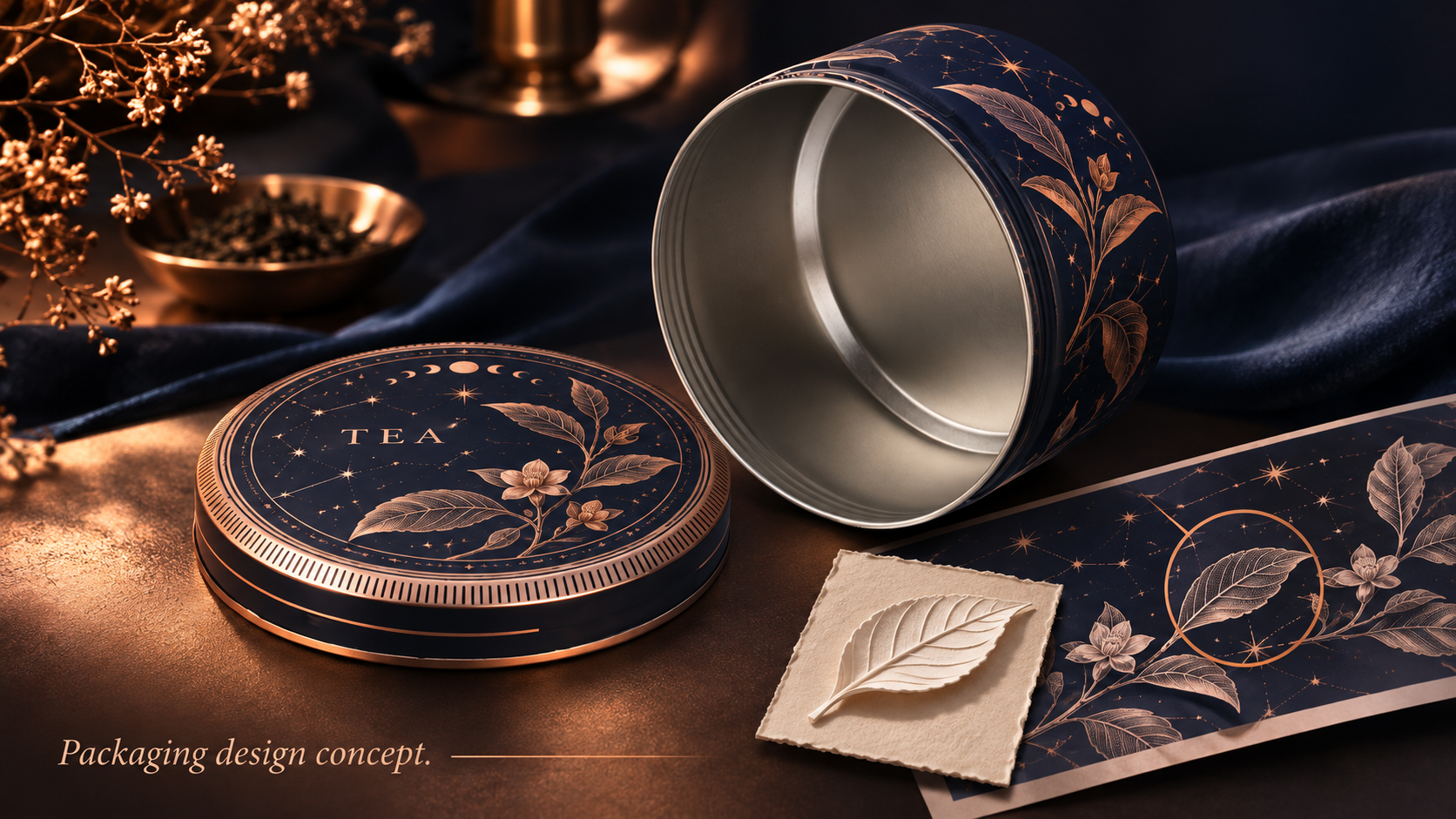

The brief asks for the raised effect in a competitor photograph, but the team has not identified whether it values shape, print alignment or overall appearance. A photo communicates direction; it does not supply manufacturing geometry or establish availability on the proposed lid.
Decorative-effect brief tool
Use this worksheet to structure a project-specific decision. It is not a test standard or acceptance limit.
| Intended emphasis | Reference to provide | Decision |
|---|---|---|
| Raised shape | Marked visual region and component | Which proposal can be assessed? |
| Relationship to print | Artwork and structural references | What alignment subject needs review? |
| Complete appearance | Identified decorated proposal | What remains outside partial approval? |
Describe the effect without inventing geometry
A reference image can show the kind of visual emphasis the brand prefers, but it does not supply production dimensions or establish feasibility. Mark the intended artwork area and explain its role in the design. Ask the supplier what information and review steps are needed for a proposal on the selected component. This allows a useful discussion while keeping the difference between creative direction and an approved manufacturing detail visible to both parties.
Compare review subjects explicitly
The brand may care about the apparent depth, the relationship to printed graphics or the way the decorated lid appears in a gift set. Name the subject of each review and the reference used. Do not treat approval of a silhouette or layout as acceptance of the complete finished appearance. Likewise, a physical appearance sample may leave final text or colour references open. Separate statuses let the project progress without a broad approval that hides unfinished decisions.
Record the effect of revisions
A revised mark may occupy a different area or accompany another lid proposal. Ask what changes in the development scope rather than assuming the earlier discussion transfers. Identify the old and proposed artwork and which sample or proof is requested next. If the supplier proposes a different approach, compare it against the original visual objective. The buyer can then decide whether the alternative meets the intended design role without claiming that any effect is universally available across the catalogue.
Prepare the next review
Mark the intended decorative emphasis on the actual artwork and component reference. Request a scoped proposal rather than prescribing unverified forming details.
Does a previously used design prove feasibility on another lid?
No. Ask for review against the actual structure and design, rather than assuming transfer from a visual resemblance.
What should a supplier proposal identify?
Ask it to name the applicable component, artwork reference and the next development or appearance-review step. Record any limitations and unconfirmed assumptions. If an alternative effect is proposed, compare it with the original visual objective rather than calling it equivalent by default. Keep scope, quotation and approval decisions attached to the actual version under discussion.