
Your Infused Pre-Roll Shows a Mark After Unpacking: What Should You Compare First?
Updated:
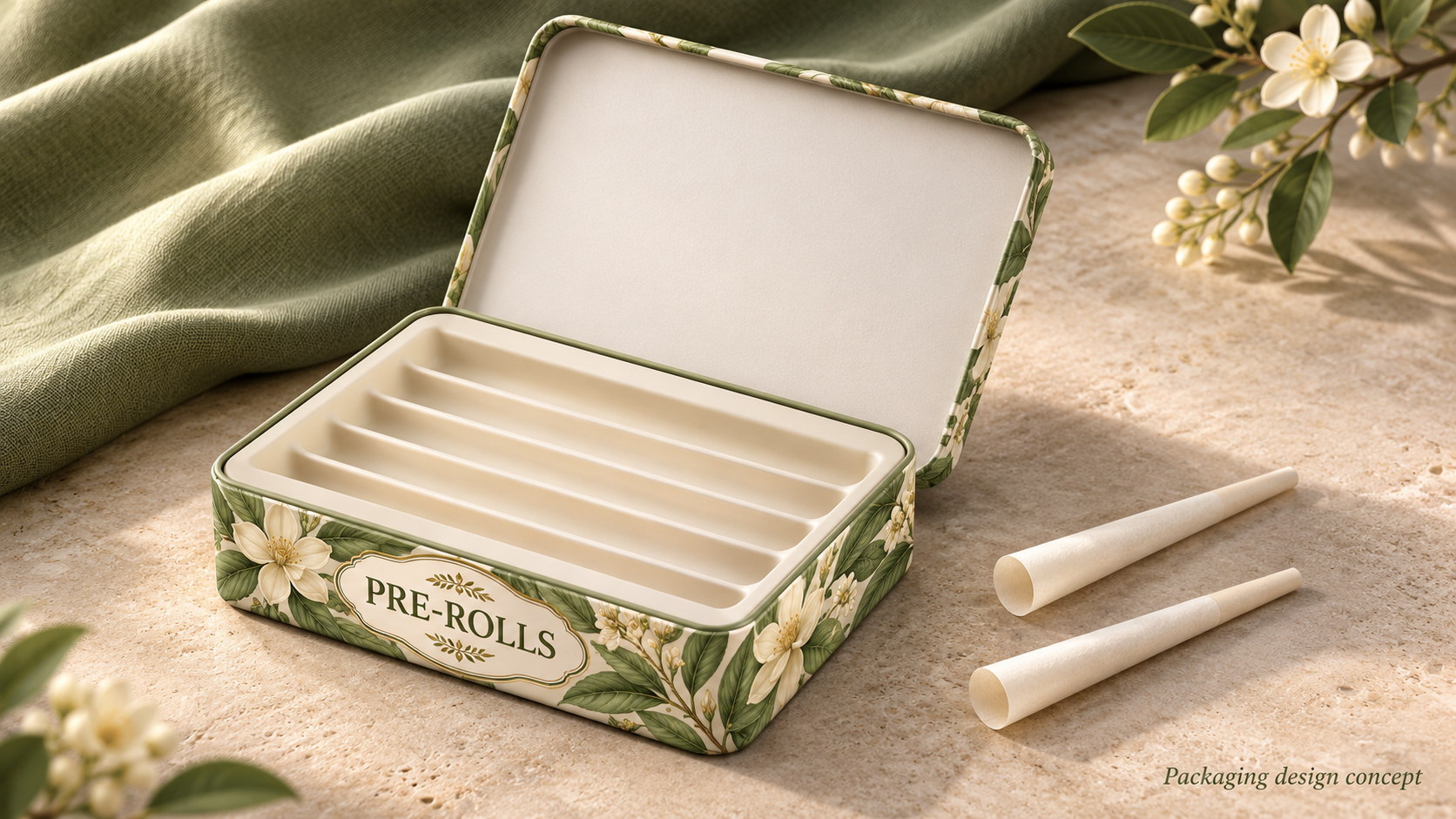

Before changing the insert material, establish when the mark became visible and which surfaces and handling actions were involved. A mark observed after removal is a useful symptom, but it does not by itself identify its cause. Preserve the product and configuration references so the next comparison answers a defined question.
The scenario is editorially inferred, not a customer case. This article proposes a purchasing investigation brief, not a validated test method.
Separate the observation from its explanation
Describe the location and appearance of the change using identified photographs where useful. Record the starting condition if it is known. If no one documented the surface before loading, say so; the missing observation matters to the strength of the conclusion.
Avoid changing the description from a visible mark to insert damage before the responsible review. Contact with another component, the loading sequence and the product's original condition may also need investigation. These are questions to examine, not claims that any listed mechanism caused the result.
Use the timing to choose the next comparison
| What is actually known? | Next question to frame | What not to conclude yet |
|---|---|---|
| Mark already visible before loading | Does this sample represent the intended starting condition? | Packaging created the mark |
| Starting condition recorded; change noticed after insertion | Which contact or action differs during loading? | One material is incompatible |
| Change first noticed after removal | What happened during storage, handling and removal? | Removal alone caused it |
| Only a final photograph exists | Which retained items and history can support review? | The photograph establishes a cause |
The responsible reviewers should select appropriate comparison conditions. This guide supplies no force, duration, acceptance limit or material-compatibility result.
Compare alternatives against the actual concern
A revised contact arrangement is worth discussing if the concern relates to where the product is supported. An altered loading or removal sequence is another candidate if the observation occurs during handling. Individual wrapping may be proposed, but it changes the packed geometry and creates its own material and access questions.
Do not call any of these a proven improvement before reviewing it. Compare the same product version where possible and identify changes between arrangements. If material, geometry and handling all change together, the review may support choosing a complete arrangement without proving which change explained the difference.
Make the sample request narrow enough to answer
In a hypothetical review, a decorative exterior looks unchanged when placed but shows a mark when removed. The useful next request identifies the grasp action, support surfaces and sample reference. It does not prescribe a material solely from a website image.
Ask what the next proposal intends to change and what observation would help the team judge it. Keep affected and comparison items identifiable. Agree with the responsible team what should be retained and how it should be examined rather than cleaning or altering evidence without a plan.
Decide what you can approve
Possible outcomes are to retain the current arrangement for the defined task, review another proposal, obtain additional material evidence or leave the decision open. Make that scope explicit. A presentation review does not establish shelf life, barrier performance or product safety.
Send the product reference, starting-condition information, complete packing arrangement and a short chronology through the engineering inquiry. Ask for a targeted review proposal, not a general promise that an insert is protective.
Does a substitute product answer the surface question?
Record how it differs and ask the responsible reviewer which tasks it can support. A substitute that helps explain geometry may not establish behaviour of the intended product surface.