
Retail Wants Display Trays, Online Wants Loose Tins: Can You Still Place One Order?
Updated:
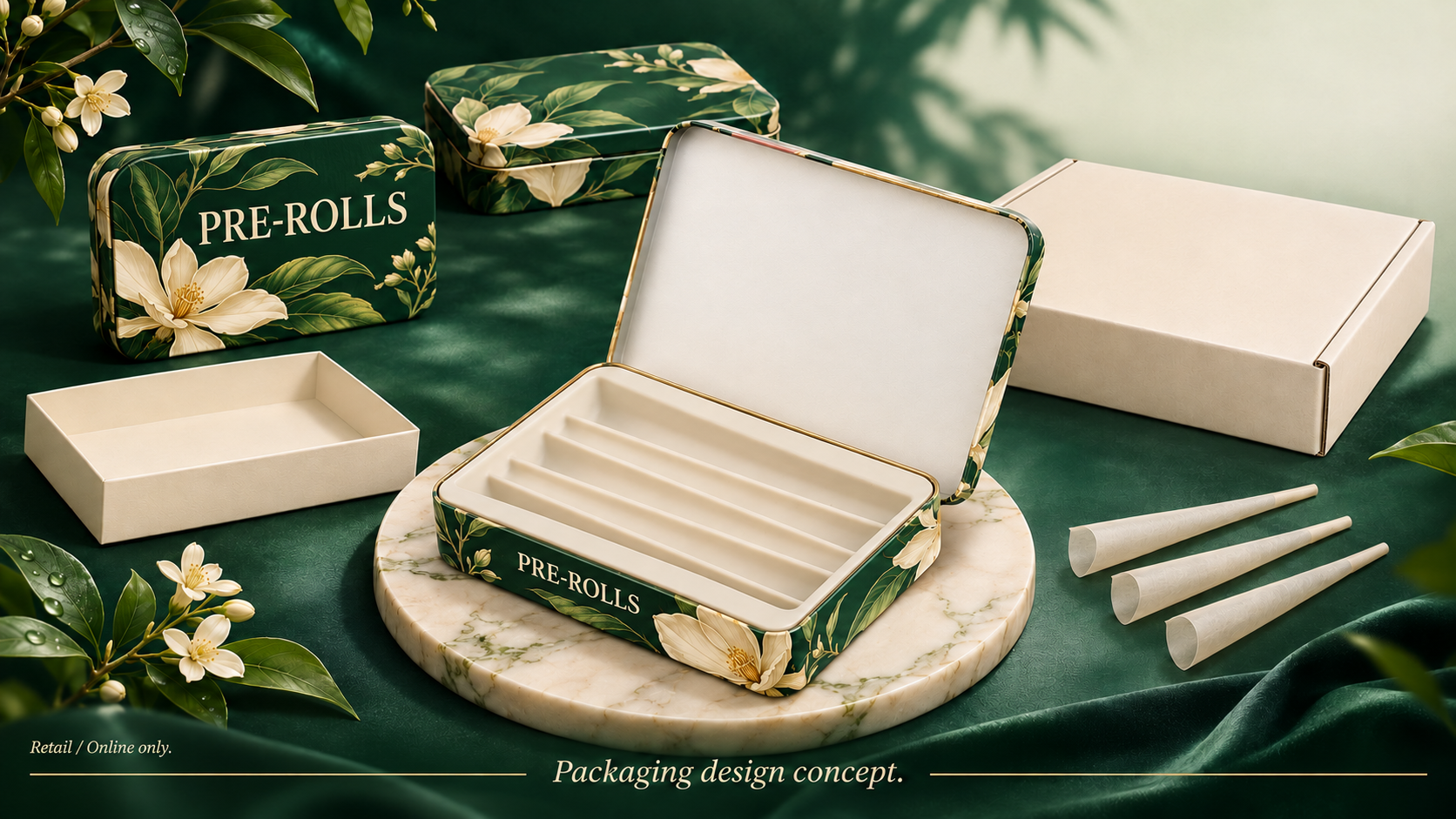

A retail display and an online loose tin may share an identified decorated body, lid and insert while requiring different outer components and packing work. Compare a common component quantity plus separate packing scopes with separate complete assemblies. If the actual components differ, keep those quantities separate until the supplier reviews the proposal.
Separate common components from different delivered units
Begin with the actual offers rather than channel names alone. If retail needs an assembled display while online stock remains individual, specify who builds the display and how that delivered unit is identified. If both channels use the same decorated tin, compare that shared reference without pretending their outer packs are identical. If a channel adds an accessory or different assortment, mark the new configuration. Consolidating a quantity is not proof of a cost advantage or supplier flexibility; evaluate actual quotations. Keep requested delivery dates distinct from commitments for the resulting scopes.
| Situation | Useful next step | Boundary |
|---|---|---|
| Common tins with separate packing scopes | Compare shared component quantity explicitly | Two delivered units may still need separate references |
| Complete channel assemblies | Define each offer and assembly owner | More complete configurations to manage |
| Offer not final | Keep provisional components outside release | Do not convert a planning matrix into order approval |
Define the channel-specific unit
Describe what is offered in each channel: individual tin, bundle, retail display or another approved combination. Identify the contents and any outer presentation or accompanying material. Ask the commercial owner to distinguish confirmed offers from proposals. Do not create a country-by-country variation without an actual difference in the requirement. The useful matrix follows distinct operational decisions, not marketing labels alone.
Identify shared components accurately
List body, lid, insert, artwork and outer components separately. A shared body does not automatically mean a shared complete configuration. Record which references are the same across channels and which remain unresolved. This helps procurement request quantities on a consistent basis. Ask for commercial confirmation against the actual scope rather than assuming that combining quantities yields a particular saving or minimum-order exception.
Review a cross-channel conflict
Consider a hypothetical launch in which retail wants an assembled display while online fulfilment wants individually stocked tins. The decorated tin might remain common, but the packing and receiving instructions differ. Keep those instructions attached to their channel references. Decide who assembles the display and whether the online offer includes another component. A single total order quantity cannot answer those questions, even if every tin uses the same artwork.
What to send for the next proposal
Send one component list for each confirmed channel offer. Mark identical references explicitly and request separate quote lines for shared components, channel-specific components and assembly. Quantity consolidation alone promises no saving or MOQ exception.
Must every channel have a different tin?
No. Share components where the proposed configurations support it, but retain distinct records for differences in contents, information or packing responsibility.