
The Pre-Roll Looks Better Reversed, but Is Harder to Remove: Which Direction Should You Choose?
Updated:
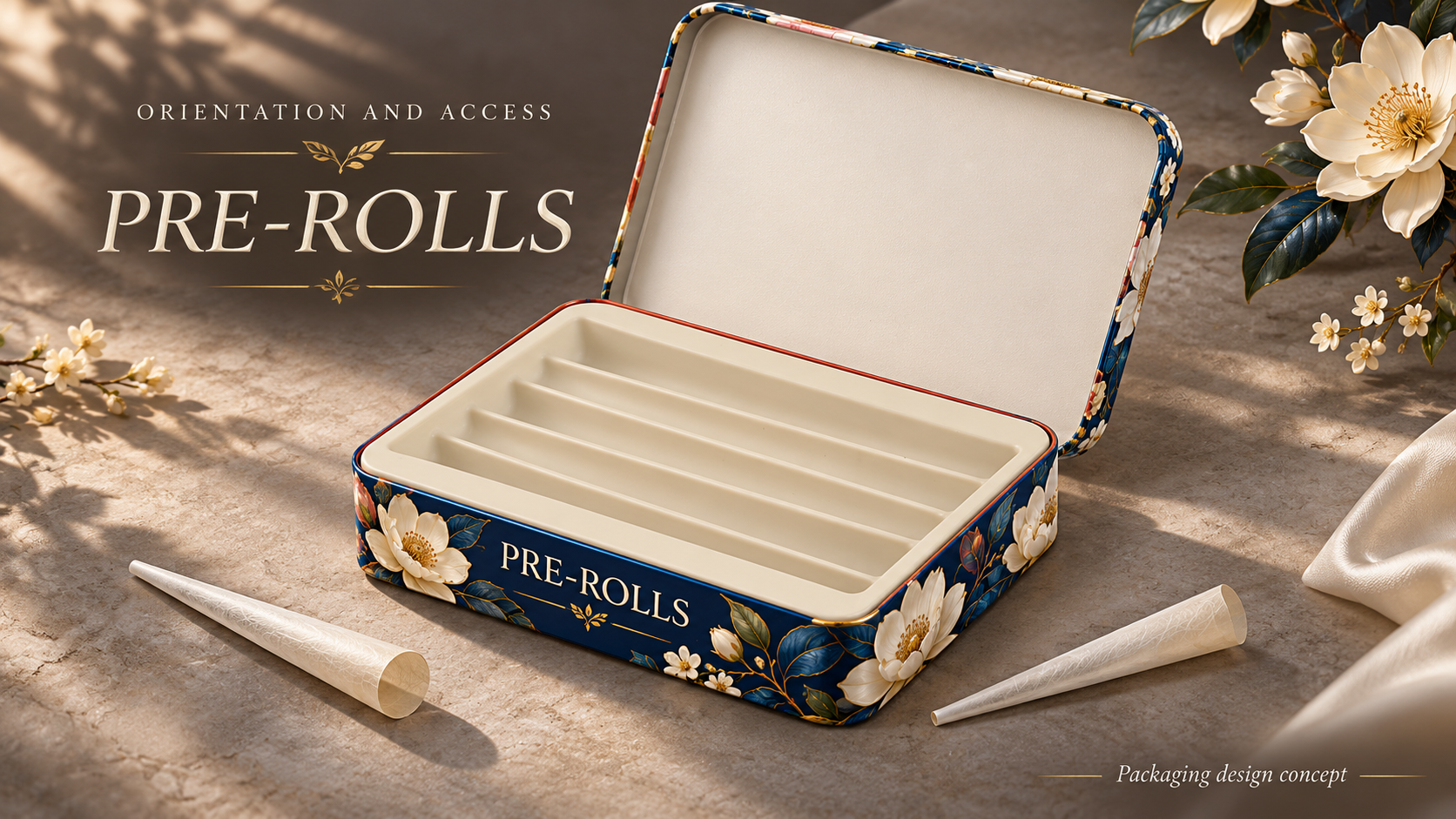

Treat visual orientation, loading and user access as connected tasks. If reversing the product improves the first view but hides the intended grasp region, compare another access arrangement before approving the direction. The decision is about a complete proposed layout, not which photograph looks best.
Choose the next question from the observed conflict
If the problem is ambiguous instructions, mark the product ends and the viewing direction before requesting a new structure. If the intended orientation creates an access conflict, compare a local access proposal with a reversed product. If either direction changes contact or closing, ask for review of that physical relationship. Do not assume that improving appearance resolves the handling question.
| Situation | Next question or route | Limit |
|---|---|---|
| Ambiguous arrow | Clarify consumer view and product ends | No redesign until the intended state is clear |
| Grasp region hidden | Compare local access and reversal | Recheck loading and closing |
| Opposite face has relevant features | Review support and contact | Logo position alone cannot choose the orientation |
Describe the opening presentation
Use a simple labelled sketch to distinguish the tip end, product body and intended removal direction. Include the pack count and whether contents occupy individual locations. Avoid leaving the supplier to infer orientation from an unlabelled image.
Review the packing sequence
Ask the packing team how products will be placed and how the lid will be closed. Review the proposed insert with that sequence. A visually appealing arrangement still needs a practical loading and access decision.
Record the intended combination
In a hypothetical review, the drawing and sample show opposite orientations. Resolve the discrepancy before approving either as a production reference. Name the governing drawing revision and retain photographs identifying the reviewed sample.
Use a project-specific worksheet
Record actual references and the observed task. Use the proposed options as questions for review, not as established engineering solutions. Keep technical evidence and acceptance responsibility visible.
| Field | Project input |
|---|---|
| Product reference | [Actual reference or unresolved question] |
| opening view | [Actual reference or unresolved question] |
| intended face | [Actual reference or unresolved question] |
| grasp region | [Actual reference or unresolved question] |
| loading direction | [Actual reference or unresolved question] |
| observed conflict | [Actual reference or unresolved question] |
Does reversing the product leave approval unchanged?
Review the affected access, placement and closing questions rather than assuming orientation is immaterial.