
A New SKU Uses the Same Branding: Which Old Packaging Decisions Still Apply?
Updated:
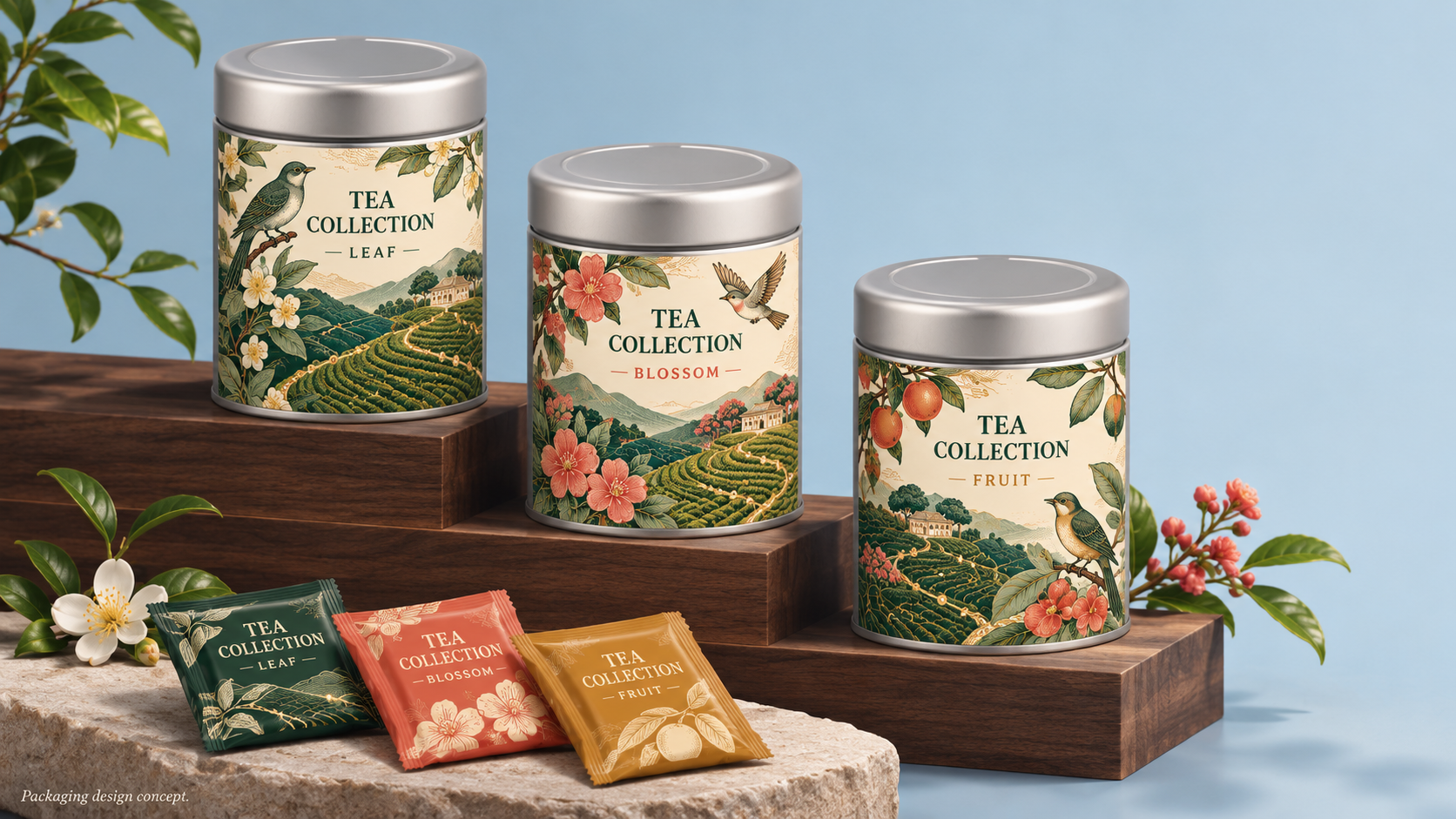

Reuse an earlier decision only within its actual scope. A consistent visual range can contain different packed products and internal arrangements. Branding continuity is not evidence that the complete configuration remains unchanged.
Compare by subject, not family name
List the changed product, wrapping, count and intended action beside the previous configuration. Then assess reuse by subject: a visual direction may remain useful while the packed layout or evidence question needs another decision.
| Subject | Potentially reusable input | Trigger for another decision |
|---|---|---|
| Visual direction | Accepted design principle | New format changes the intended presentation |
| Physical arrangement | Identified earlier configuration | Product, wrapping, count or access task changes |
| Supporting evidence | Relevant document and reviewed scope | Intended use or assessed subject differs |
| Commercial scope | Historical reference | Current quantity, work or delivery requirement changes |
Review an extension without restarting everything
Hypothetically, a brand adds a wrapped product to a range previously using another packed form. The exterior style can remain a design input while the new geometry and removal task receive a defined review. Keep those routes separate rather than declaring every previous approval invalid or every approval transferable.
For several variants, identify each combination. A representative sample does not automatically cover versions it did not represent. Where the new product remains provisional, record the assumption and the decision dependent on it.
Prepare an extension note
List the baseline, the changed product facts and the earlier decisions proposed for reuse. Identify what evidence or observation would resolve each changed subject. Submit the differences through the engineering inquiry with candidates from the catalogue if useful.
Does a common body simplify every SKU?
Not necessarily. Compare inserts, artwork, content and operational references as part of the complete proposal rather than counting only body formats.