
Your Tin Inquiry Says Premium and Easy to Use: Turn Those Words into a Review Task
Updated:
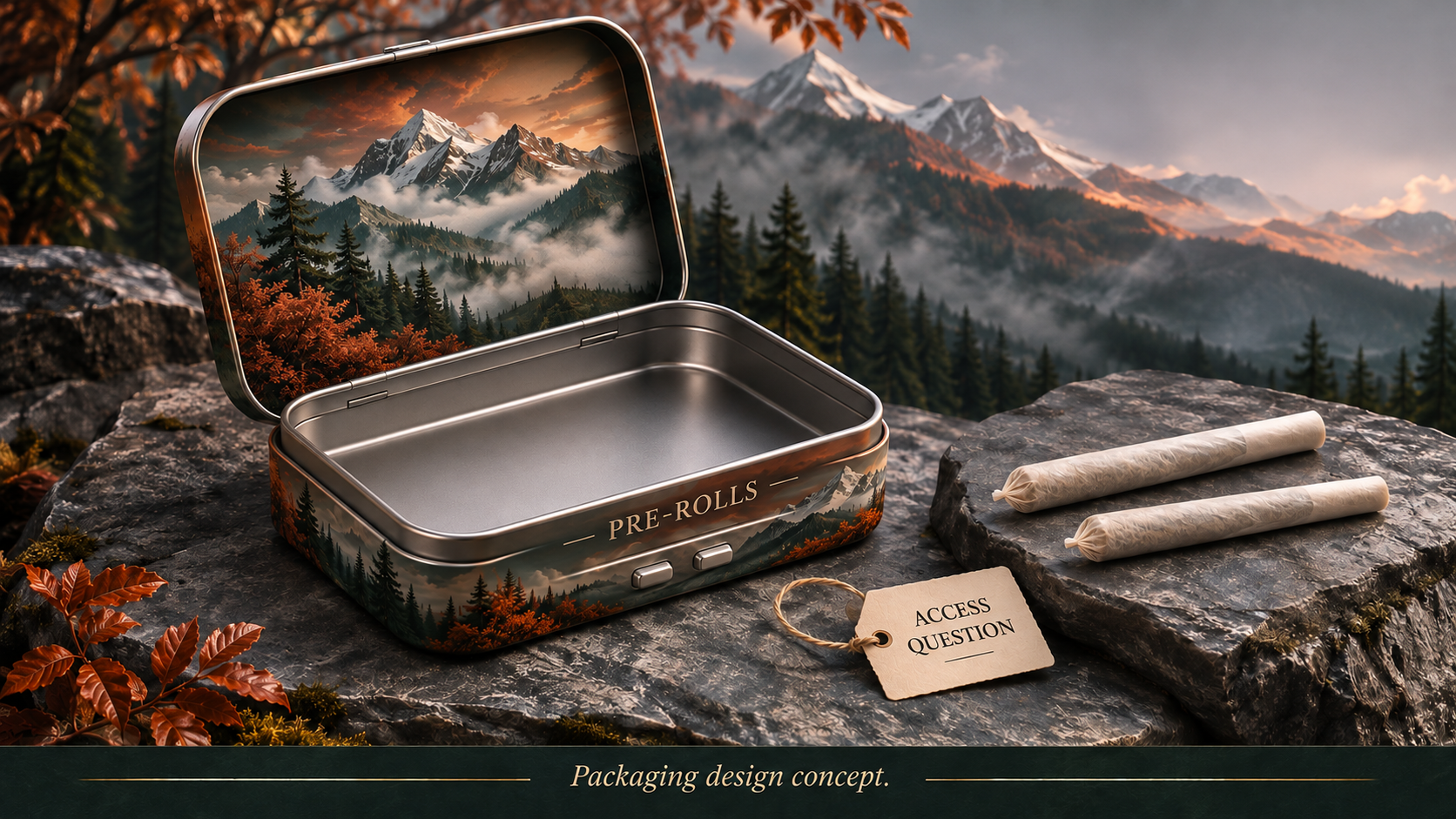

Before asking for a premium, easy-to-use tin, name the action or presentation that needs to change. If the product is hard to remove, describe the packed state and the step that fails. If the issue is appearance, identify the first view or decoration priority. Those are different briefs: a new finish cannot by itself resolve a blocked grasp point, and a larger cavity does not define a premium visual direction.
Translate the phrase into a question
Treat each adjective as an unfinished requirement. Select the question that would change the next sample request, then give the supplier the actual product and configuration inputs. Keep an intended outcome separate from evidence that a proposed pack achieves it.
| Buyer wording | More useful question | Input needed |
|---|---|---|
| Easy to use | Which loading or removal action should be possible? | Product, count and intended action |
| Premium | Which opening presentation or decoration direction matters? | Actual scenario and visual priorities |
| Protective | What unwanted condition is the project trying to address? | Defined requirement and relevant evidence review |
| Consistent range | Which features must remain shared between variants? | SKU differences and fixed priorities |
Use a concrete product example
Consider an explicitly hypothetical pre-roll pack that looks orderly when full, but leaves the next item difficult to grasp after one is removed. Start with that partly empty state: which item remains, where is its grasp region, and what action is intended? Ask for a configuration review using the actual wrapped product, count and insert reference.
If remaining items change position, compare how the arrangement locates them. If positions remain stable but fingers cannot reach the intended area, focus the next proposal on access. If removing one item requires another to move first, decide whether that sequence is acceptable for the offer. These branches explain what to investigate; they establish no clearance, material choice or successful solution.
Keep the appearance decision visible alongside the access task. A preferred opening view may be retained, revised or compared with another presentation. Request the supplier to explain the trade-off rather than treating the most attractive full-pack photograph as proof that later use works.
Request one next decision
Send the product reference, packed dimensions or actual sample, count, wrapping and relevant use state. Describe the specific step the next sample must help evaluate, together with visual priorities that should remain. Mark provisional inputs so the proposal can identify its assumptions.
Ask for a response naming the candidate configuration, what it changes, what remains unreviewed and the sample or drawing needed next. Keep commercial quantity, artwork versions and supplied components explicit in the quotation request. Do not accept an unqualified statement that a design is easy to use as the answer to a defined removal problem.
Must the structure be selected before an inquiry?
No. Describe the task and constraints, then ask what information is needed to evaluate suitable candidates. Mark unresolved inputs clearly.