
Repeat Order, Different Result: Which Packaging Reference Should Govern the Review?
Updated:
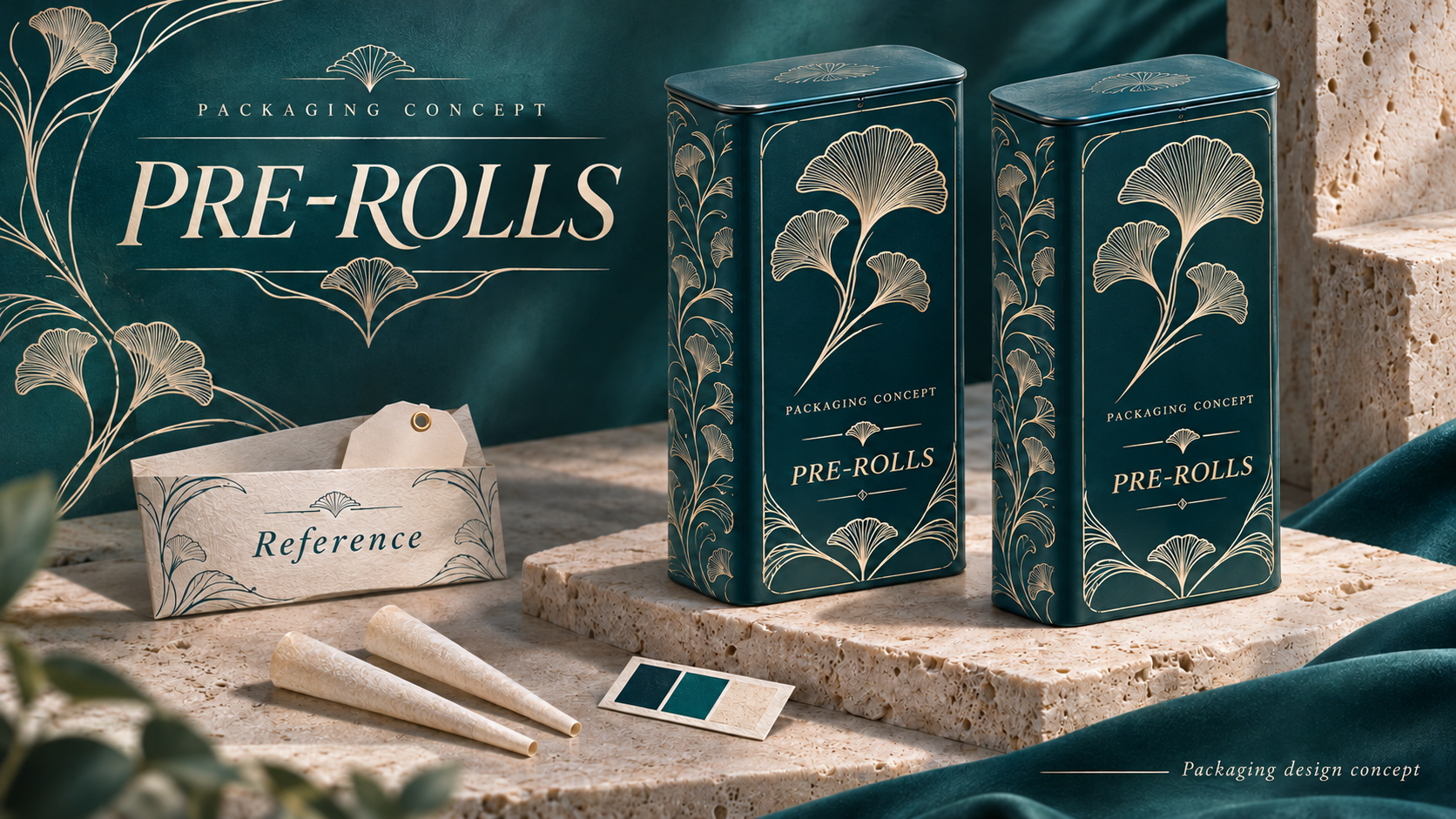

When a repeat delivery differs from the sample someone expected, first determine what each reference was approved to represent. A colour sample, a structural sample and a packed-product sample may answer different questions. Do not choose one simply because it is newest or sits in the most familiar project folder.
Name the disagreement before choosing the reference
Is the concern about colour, component identity, product fit, the supplied assortment or packing scope? Each needs a relevant baseline. A colour proof cannot settle an internal layout question; a working structural sample does not approve every later artwork version.
Collect the applicable order scope and approval records alongside the samples. Preserve their dates, revisions and known limitations. If no reliable record establishes a governing reference for the disputed feature, state that gap rather than inventing an approval history.
Compare what the samples actually represent
These are review purposes, not automatic evidence of order conformity.
| Available reference | Question it may help answer | Limit to keep visible |
|---|---|---|
| An identified colour sample | What appearance was reviewed for the stated surface and finish? | It may not represent the final packed configuration |
| A structural sample | What body, lid and internal arrangement was evaluated? | It may use provisional artwork or substitute contents |
| A packed-product sample | What product-and-pack combination was reviewed? | Its history and later changes still matter |
| A copy held at another location | Are both teams comparing equivalent references? | Similar labels do not establish the same approval scope or condition |
Establish the accepted baseline, then identify the change
Look for a traceable decision linking the relevant sample to the agreed scope. If a later change was accepted, preserve both the previous reference and the accepted replacement. A file named final or a photograph in a sales conversation should not silently override an identifiable approval.
In a hypothetical repeat project, the buyer holds an early decorated sample while the supplier refers to a later layout review. Before declaring the delivery wrong, establish which feature each review approved and whether a subsequent change was accepted. This can reveal a scope disagreement rather than a confirmed production cause.
Choose a response that matches the evidence
If the baseline is clear and the observed difference is identifiable, report that comparison and the affected scope. If the references conflict, have the authorised parties reconcile them before agreeing a correction. If the history is incomplete, request a defined current comparison rather than treating a reconstructed sample as proof of the past.
For multiple locations, identify which physical copy supports which decision. A replacement reference can help future work, but it does not establish what happened to every earlier shipment. Record any future baseline separately from the outcome of the present difference review.
Make the next repeat order easier to interpret
Prepare a concise baseline covering the agreed configuration, decoration, packed contents and packing arrangement, with separate reference IDs for each relevant approval. Historical prices, quantity exceptions and delivery assumptions remain tied to their original agreement until reconfirmed.
Send the disputed feature, competing references and the available approval history for the next discussion. This narrows the problem more effectively than asking either party to use the old sample without identifying which old sample matters.
Should the newest sample always take priority?
No. Establish its purpose and approval scope. A newer sample made for another task may not replace the relevant accepted reference.
Does an unexplained difference prove a supplier changed the specification?
No. Report the observation, then investigate configuration identity, approval history and other relevant evidence before assigning a cause.