
Returned Tins Look Similar, but Their Histories Differ: Should You Investigate Them Together?
Updated:
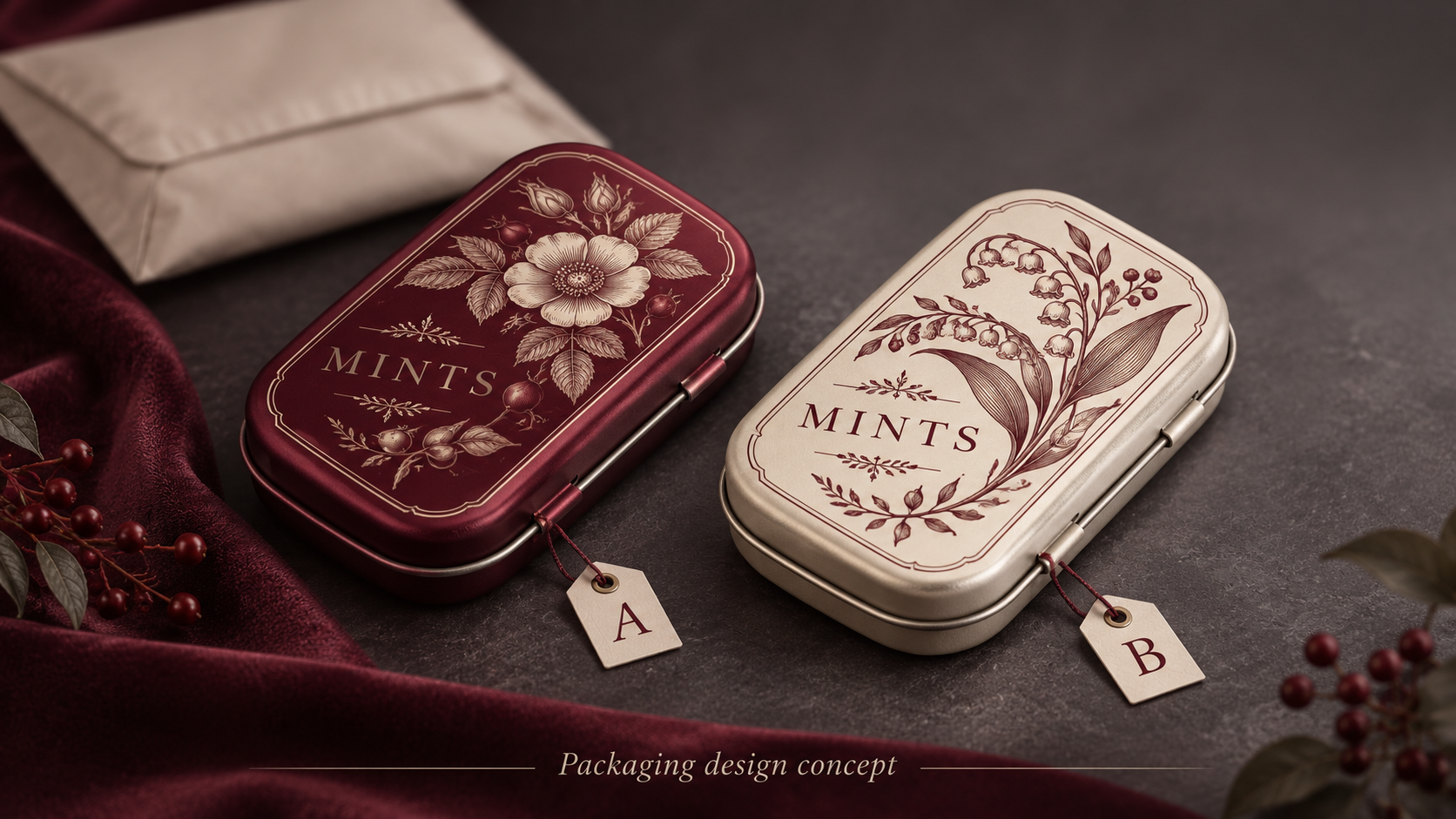

Start separate comparison groups when component versions differ. Within a known configuration, distinguish a customer description from the condition actually received. If history is missing, compare only what is supported. Similar appearance alone does not establish a common cause, affected quantity or remedy.
Choose the scope of comparison
If body, insert or product versions differ, preserve those differences before discussing a shared concern. If versions match but the observed conditions differ, state exactly what is being compared. If an item cannot be identified, request the information that would change the next decision instead of assembling an apparently complete history from assumptions. A retained reference can show what it represents; it cannot recreate the return's handling. Keep any decision to examine or alter an item with the responsible reviewer so potentially relevant observations are not lost. This guide provides no compensation entitlement or incident-rate conclusion.
| Situation | Useful next step | Boundary |
|---|---|---|
| Different configuration identified | Separate the comparison by version | Avoid combining unlike observations into one finding |
| Configuration identifiable but history unclear | Compare only supported facts | Do not invent storage or use conditions |
| Reference and return differ | Ask which difference is relevant to the reported concern | A retained item is not a substitute for the actual return |
Capture the report without rewriting it as a finding
Record the product or order reference supplied, the reported concern and any photographs or dates available. Keep the customer's description distinguishable from the reviewer’s interpretation. A statement that a lid felt different is a reported observation; it does not establish a mechanism or assign responsibility. Avoid filling gaps with an assumed storage, handling or use history. If information is missing, identify the question and the person who may be able to answer it.
Keep the physical item connected to the record
Give the returned packaging an identifiable review reference. Record the components actually received, including whether contents, insert or accompanying materials are present. Compare those references with the intended configuration where records are available. Do not substitute a different sample because it looks cleaner or more representative. The original item may answer a different question from a retained reference. Handling and any examination should follow the responsible team's agreed process; this guide does not prescribe cleaning, testing or release instructions.
Use comparisons to narrow questions
In a hypothetical return, the tin body can be identified but the insert reference is unclear. The useful next step is to determine which arrangement was supplied or used, rather than immediately attributing the concern to the body design. A retained sample can provide a comparison if its scope and history are known. Record how the two items differ and which comparison is actually being made. One returned unit does not by itself quantify how widespread a condition is, nor does it establish the cause of the reported experience.
What to send for the next proposal
Send a return reference, components received, unedited condition photographs and the identified comparison sample. Ask the reviewer which missing fact would change the disposition question.
Can a returned tin be used as the new approval reference?
Do not assume so. Its history and condition may differ from a controlled reference; define the purpose of each item with the responsible reviewer.