
A Showroom Tin Is Offered for Your Product: What Can You Actually Learn from It?
Updated:
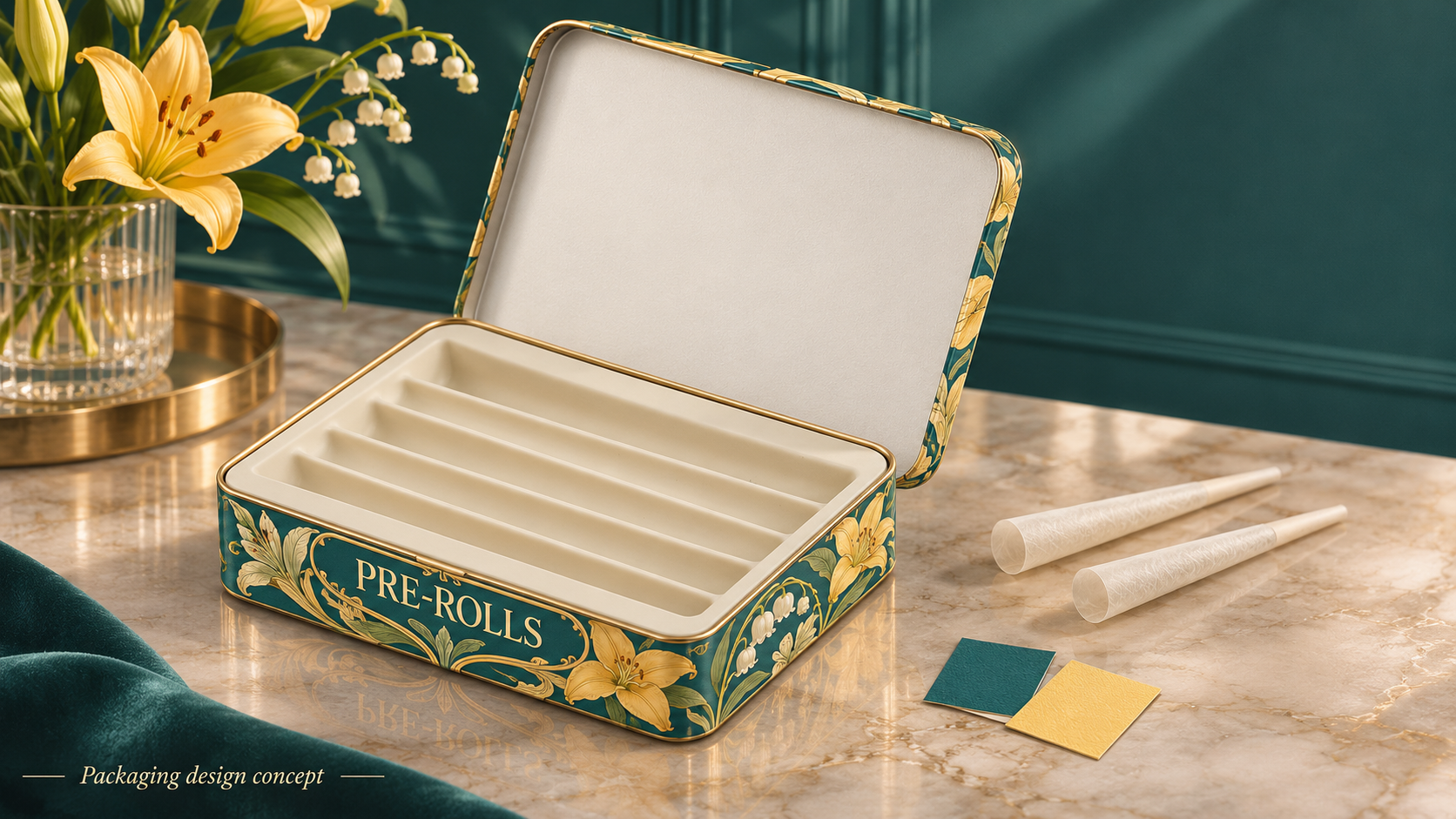

Keep a showroom finish sample when the decision concerns appearance. Request a configuration-specific proposal when the unresolved issue is count, wrapping, loading or retrieval. If the demonstration uses different contents, identify that difference before asking for a sample; rearranging display props does not establish product fit.
Ask what decision the sample supports
Begin with the sample's identity and purpose. If it is decorated to show a finish, do not infer that its insert represents your intended contents. If it is a structure concept, ask what differs from the proposed order configuration. If it contains placeholder objects, treat them as illustrations rather than evidence that your product fits. The useful response to a mismatch is to define the product information and next proposal needed. Do not reject a useful sample solely because its scope is limited; instead keep the demonstrated feature separate from the unreviewed project question. Availability and commercial scope also need project-specific confirmation.
| Situation | Useful next step | Boundary |
|---|---|---|
| Decorated finish example | Discuss the shown appearance reference | No automatic fit or material conclusion |
| Structural demonstration | Ask for the identified configuration and limitations | No automatic evidence of project performance |
| Placeholder contents shown | Provide your actual packed-product brief | Do not turn a visual arrangement into approval |
Turn the demonstration into a comparison request
Imagine a hypothetical buyer shown a finished tin whose insert contains demonstration objects. The buyer wants a different product count. The next useful step is to describe the actual product, wrapping, orientation and handling task, then ask which candidate configuration can be evaluated. Rearranging the placeholders during the meeting does not establish the proposed fit. A limited demonstration can still be useful when the buyer understands that it illustrates the opening presentation rather than the final assembly. Record the observed feature and the unreviewed difference separately. Ask which drawing or sample reference should govern the next discussion.
Use a reference card without turning it into a certificate
The reference card should name the sample and its intended role, state important limits and identify the next product-specific review. Do not add unverified certifications, dimensions or performance labels to make the card look complete. If documents are offered, have their scope reviewed for the proposed configuration separately. A finish sample, structural prototype and project-specific fit sample may serve different decisions. Record which item the buyer actually saw so follow-up does not refer to another similar-looking object. The outcome should be a clear evaluation question, not an implied promise that every feature demonstrated is available or validated for the order.
What to send for the next proposal
Send the demonstration reference and your actual packed-product dimensions, count, wrapping and removal task. Ask which drawing and sample would represent those inputs, and which features remain illustrative.
Should every sample in the case be available for immediate order?
No assumption should be made. Identify its purpose and ask for project-specific availability, configuration and commercial confirmation.