
Tea Refill SKUs: How Should Each Pouch Be Linked to the Original Tin?
Updated:
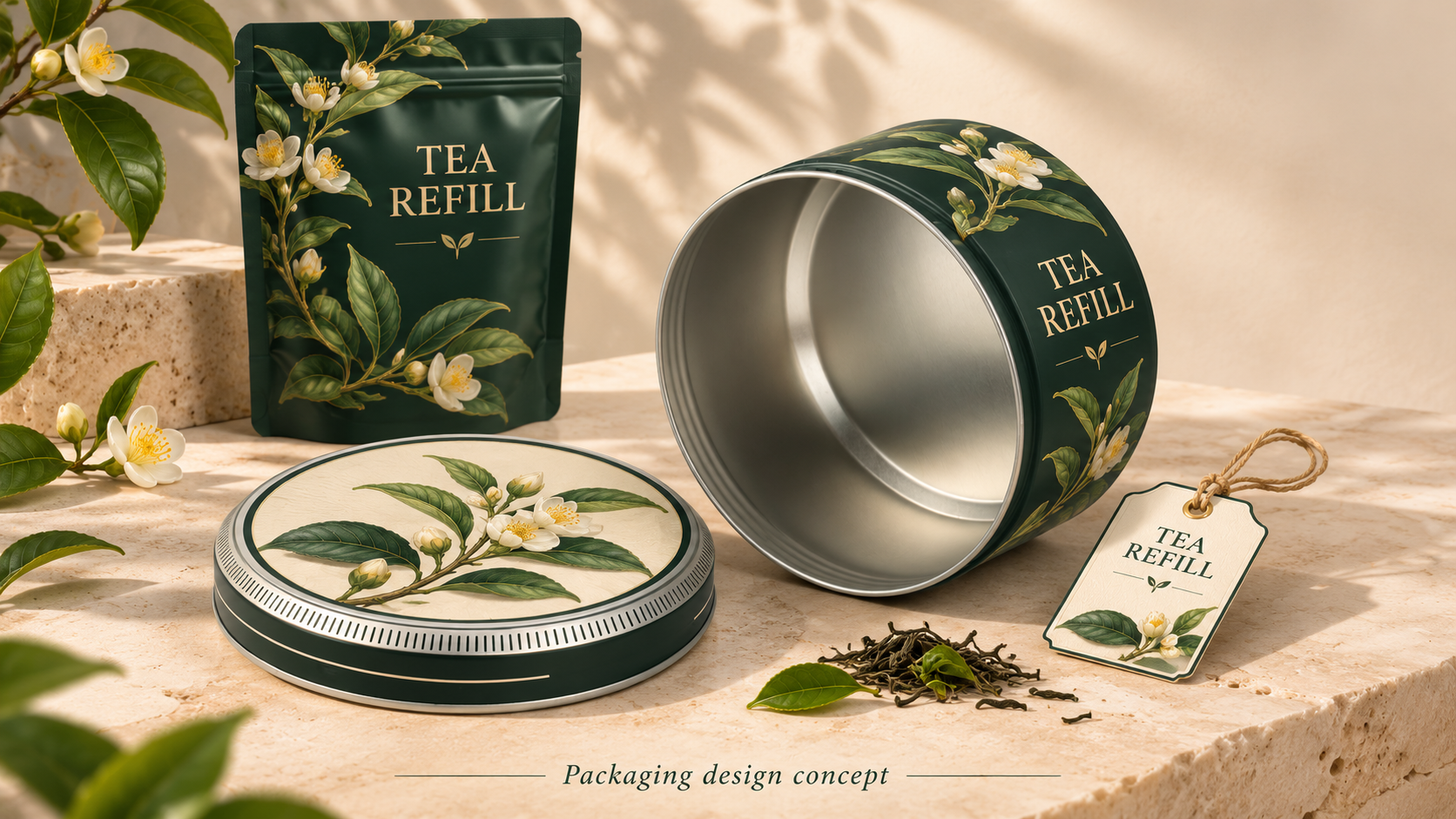

The new tea refill fits today's tin, but the older tin generation has not been represented in the review. A shared collection name cannot tell a customer whether the refill belongs to the container they already own. The immediate purchasing decision is which original-container references the new SKU may be offered with.
Choose a bounded offer instead of an assumed universal match
One route limits the initial offer to identifiable reviewed tin references. Another investigates additional legacy references before extending the list. The first leaves some customers outside the defined offer; the second creates additional information and review work. Neither route justifies a universal compatibility promise. If older containers cannot be distinguished, solve that identification gap before publishing an association that customers cannot use.
Refill association worksheet
Use this worksheet to structure a project-specific decision. It is not a test standard or acceptance limit.
| Customer tin reference | Question to resolve | Association decision |
|---|---|---|
| Current reviewed tin | Is this the identifiable reviewed reference? | List the accepted association |
| Legacy tin with known reference | Has the actual proposed use been represented? | Keep association pending until decided |
| Unidentifiable old tin | What information would distinguish it? | Do not label universal compatibility |
Build a proposed association table
For each refill, list its SKU, product version, pouch reference, intended original-tin references and review status. Identify whether the consumer places the sealed pouch inside the tin or uses another proposed arrangement. That distinction belongs in the record, but the article's decision is which combinations are offered, not whether refill systems are universally suitable or environmentally preferable.
Make the customer-facing reference understandable
An internal drawing code may be useful for technical records but not recognisable to the purchaser. Have the brand decide how customers distinguish the relevant original tin without inventing a mark on containers already sold. Compare the proposed identification method with the actual product and records. If old units cannot be distinguished reliably, state that uncertainty rather than promising universal compatibility.
Release a bounded refill offer
Record the accepted refill-to-tin associations, the references not covered and the owner of future changes. Ask the commercial team to keep the offer aligned with that list. The result is a defined set of product relationships, not a general statement that a metal container can be refilled indefinitely. Broader use, cleaning and material questions remain with their responsible reviewers.
Prepare the next decision
Map refill SKUs to the original tin references they should accompany and identify associations that still need review.
Can one refill be offered for two original tins?
Treat each association as a proposal. Identify the relevant references and which configuration review supports each relationship rather than deriving coverage from shared branding.
What if the customer cannot identify the original tin?
Ask the brand to decide how it will handle that uncertainty. Do not describe an unresolved legacy association as accepted simply to simplify the product listing.