
Three Tea Tin Samples Disagree: Build a Coherent Reference Set
Updated:
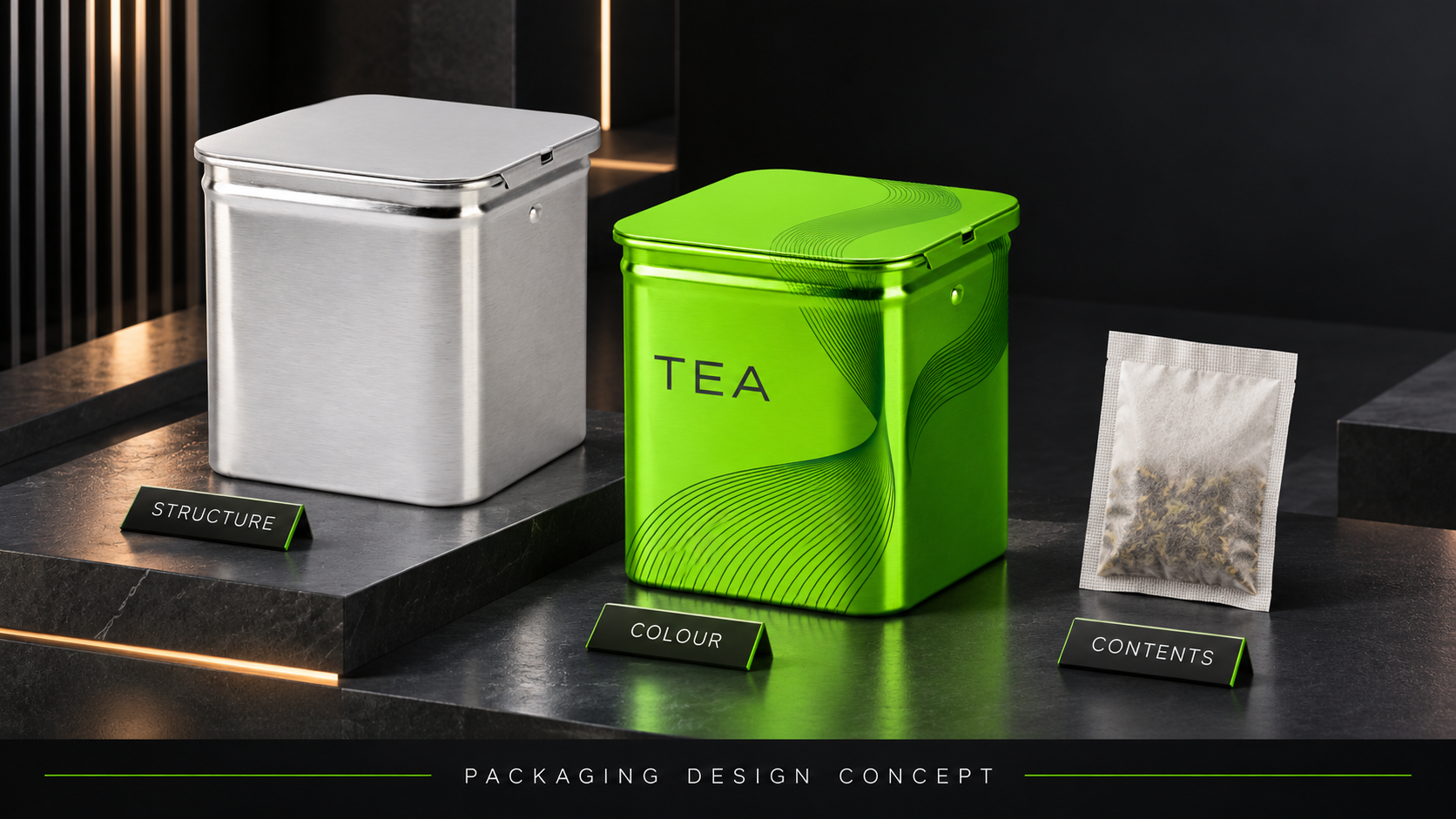

Do not choose one sample as a universal master merely because it is the most complete-looking object. A colour reference, structural sample and packed-product sample can represent different decisions. Identify the role of each before requesting another matching sample.
Resolve the conflict by subject
Use the recorded scope rather than inferring it from whether an object is printed or filled. If the approval history is missing, mark that part as unresolved.
| Subject | Candidate evidence | Decision needed |
|---|---|---|
| Appearance | Identified decoration reference and approval record | Which surface and finish does it represent? |
| Structure | Current drawing and component reference | Which assembled configuration is intended? |
| Contents | Intended tea pouch or other packed form | Which product version is being reviewed? |
Decide when a new combined sample is useful
Suppose appearance sample A is accepted, sample B shows the revised insert and sample C contains the intended pouch. The reference set may use different sources for different subjects, but it does not prove the combined arrangement has been physically reviewed. If the changes interact, define a combined-sample question rather than asking the supplier to match an impossible composite.
Avoid restarting unrelated reviews automatically. An unchanged appearance reference can remain an identified input while the packed configuration receives another review.
Use a reference-resolution note
Write the subject, reference identity, known approval scope and remaining question. Ask the authorised owners to select the basis for the next decision, then communicate the same set to the supplier. Photographs support identification but supply neither dimensional tolerances nor a colour acceptance criterion.
Submit the unresolved relationship through the engineering inquiry; use product information for selection context.
What if no approval record exists?
State the gap and define a new review. Do not invent the historic role of the convenient sample.