
The Cable Pocket Fits a Hand-Coiled Sample, but Not the Incoming Bundle: Which Reference Counts?
Updated:
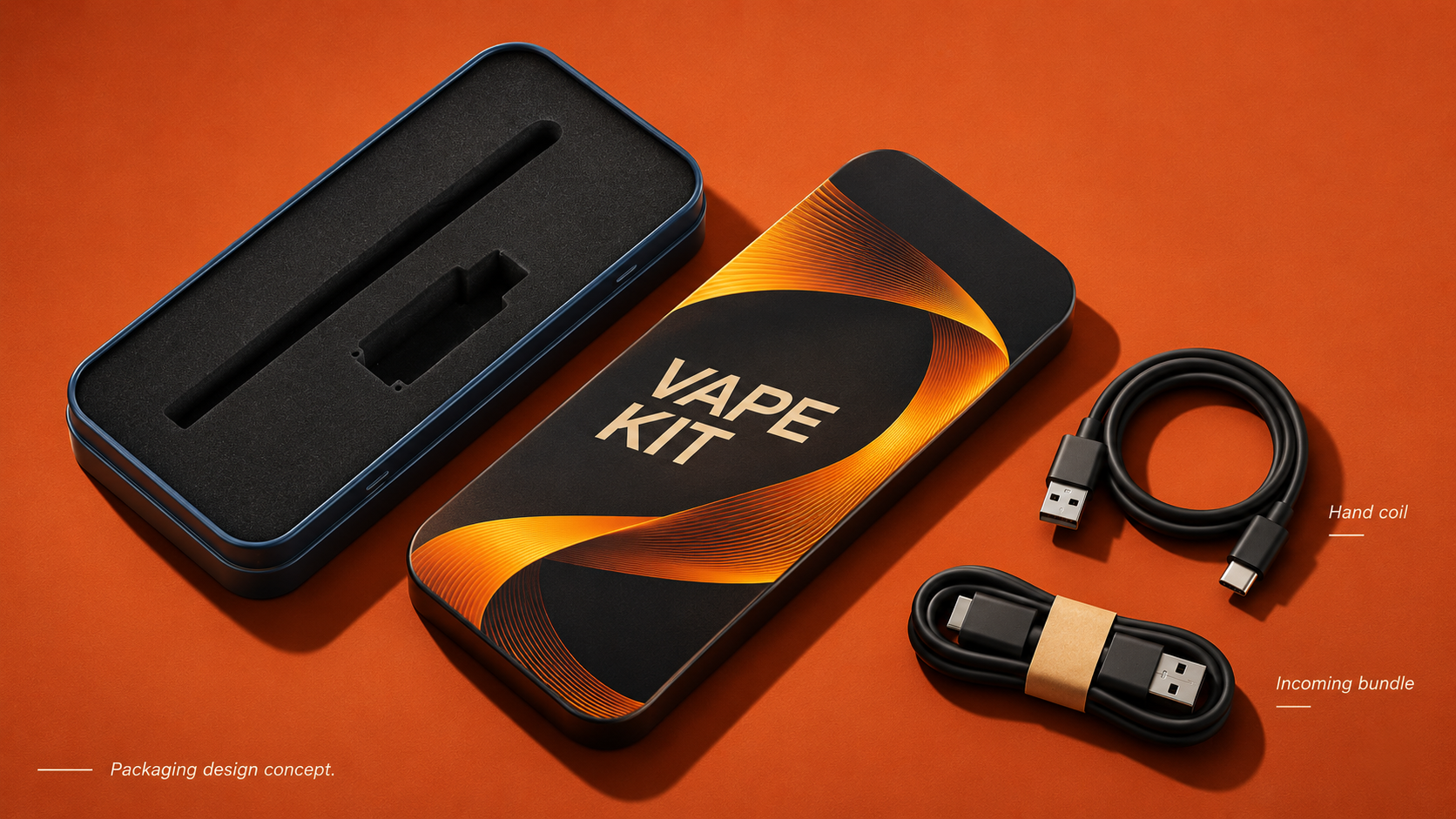

Define the cable in its incoming packed form, including ties, connector housings and labels. Advertised length does not establish the bundle footprint. Compare a ready-to-load accessory with a proposal that requires local bundling before choosing the layout and assembly scope.
Choose the next question from the observed conflict
If the incoming tie or label changes the shape, include it instead of reviewing a tidier development sample. If connectors create a raised area, inspect the proposed closed arrangement. If someone must coil the cable, assign that operation and describe its output. Do not press an unresolved bundle under the lid to make the demonstration appear complete; record the discrepancy for review.
| Situation | Next question or route | Limit |
|---|---|---|
| Prebundled incoming cable | Use a representative delivered bundle | Hand-coiled sample may represent another input |
| Coiling added locally | Define operation and owner | Cable supply is not automatically ready-to-load |
| Connector location changes | Review neighbouring items and closure | One top view cannot establish full fit |
Describe the packed bundle
A loose cable and a tied cable are different packaging inputs. Provide the intended cable reference, both connector forms and any band, sleeve or pouch. Identify whether the packer receives it already bundled. If the supplier is expected to coil it, agree how the bundle will be described and inspected. Avoid deriving a cavity from a straight cable photograph.
Protect the intended connector positions
Decide whether connectors sit beside the coil, above it or in separate locations. A connector positioned under the bundle may create a raised point that is not obvious in a top view. Check the closed arrangement and the relationship to neighboring items. Do not use the lid to compress an unresolved bundle into place; identify the packing discrepancy before changing the package.
Make accessory substitutions reviewable
A replacement cable may use a different connector housing even when its electrical description seems equivalent. Procurement should route that change to the packaging reviewer. Keep the original cable sample and the packing reference identifiable. For a hypothetical repeat order, a longer strain-relief section could alter the bundle footprint without changing the product listing, making the original insert review incomplete.
| Review item | Information to retain |
|---|---|
| Cable | Part reference and connector forms |
| Bundle | Coil, tie, sleeve or pouch |
| Placement | Connector and coil positions |
| Change control | Substitutions requiring review |
Use a project-specific worksheet
Record actual references and the observed task. Use the proposed options as questions for review, not as established engineering solutions. Keep technical evidence and acceptance responsibility visible.
| Field | Project input |
|---|---|
| Cable ref | [Actual reference or unresolved question] |
| incoming bundle | [Actual reference or unresolved question] |
| tie/label | [Actual reference or unresolved question] |
| connector position | [Actual reference or unresolved question] |
| bundling owner | [Actual reference or unresolved question] |
| reviewed configuration | [Actual reference or unresolved question] |
Is cable length enough for the insert brief?
No. Describe its actual bundled form and connector geometry.
Can packaging approve a cable substitution?
Packaging can review fit and handling. Product compatibility and electrical safety require separate approval.