
Every Cavity Is Filled, but the Vape Kit Has the Wrong Part: Where Should the Check Happen?
Updated:
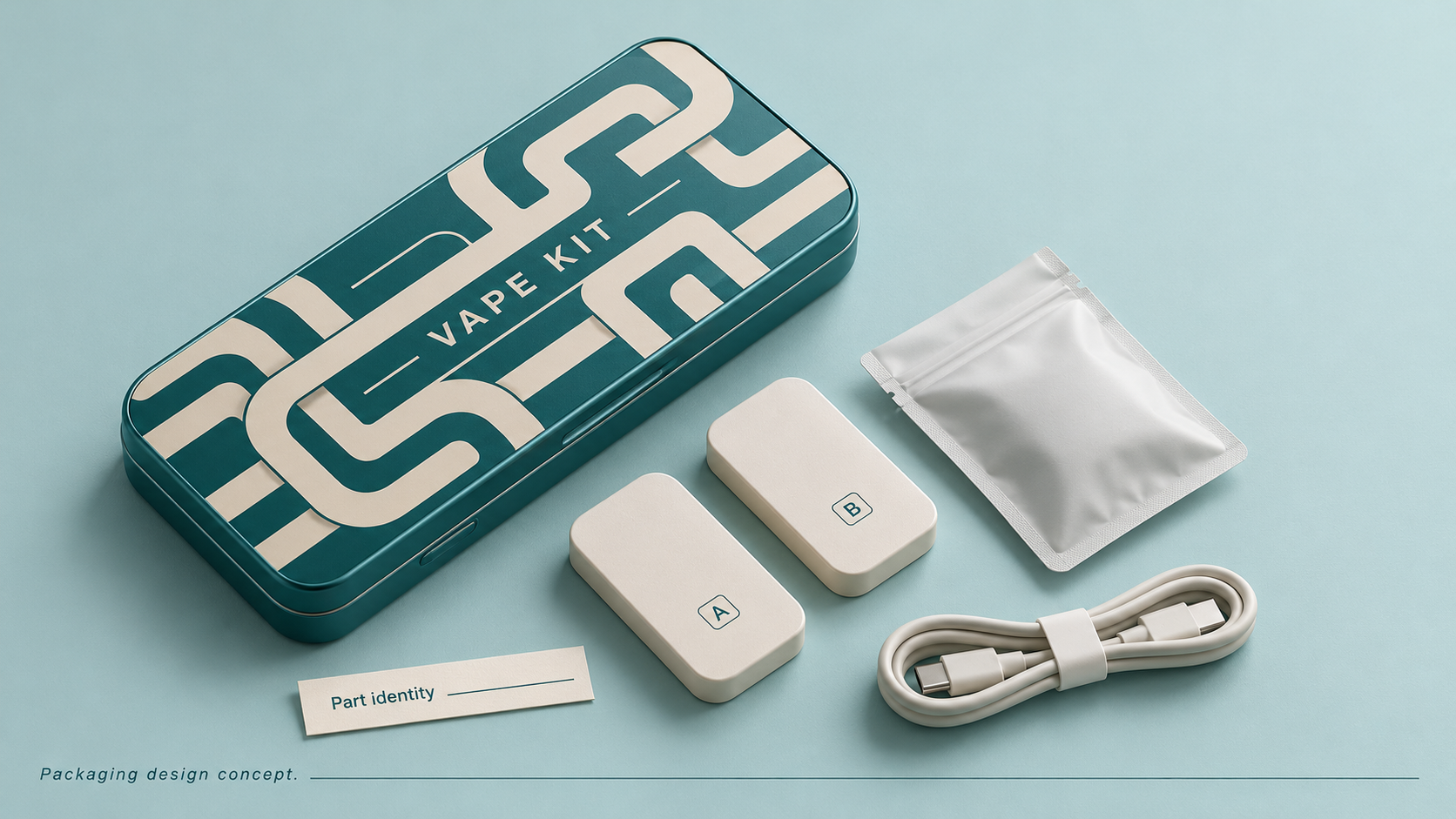

Use the established sellable-kit definition, then identify the last packing step at which each relevant part can still be distinguished. Counting occupied locations does not settle identity when similar-looking parts serve different versions. This tool supports an operations-led check discussion, not an asserted error-prevention method.
Choose the next question from the observed conflict
If a mark becomes hidden after placement, put its identity question before that step. If a component is inside an opaque pouch, compare the pouch identity and approved contents evidence rather than guessing from its outline. If an unfamiliar substitute appears, keep authorisation with the responsible owner. The production team must define and evaluate its actual control and discrepancy handling; the insert alone is not a guarantee.
| Situation | Next question or route | Limit |
|---|---|---|
| Visible part identity before placement | Define the appropriate check point | Do not rely solely on final appearance |
| Opaque pack hides contents | Use the agreed identity reference | Outer shape is not proof of component |
| Proposed substitution | Escalate against the kit definition | Operator should not invent equivalence |
Create a kit definition independent of photography
A promotional image can omit small parts or show optional accessories. Provide an approved component list for the actual SKU and identify quantities, revisions and permitted alternatives. The person assembling the kit should not have to infer whether a pictured cable or card belongs in the order.
Use the layout as a visual aid
A separate location can help reveal an absent item, but an empty-looking space may also be intentional. Link the layout to the kit reference and explain any optional positions. Avoid claiming that a particular insert prevents missing parts. The effectiveness of a packing control depends on how it is used and checked.
Plan for similar components
Two accessories may share a shape while serving different kits. Decide what identification remains visible before the package is closed. If the relevant part mark is hidden after placement, arrange the check before that step. A hypothetical spare component in an opaque pouch may require a pouch identity check rather than an unreliable visual judgment of its contents.
| Review item | Information to retain |
|---|---|
| SKU | Approved kit list and quantity |
| Identity | Visible part or pouch reference |
| Check point | Before identity becomes concealed |
| Exception | Correction and recheck route |
Investigate empty positions and wrong parts
For an empty position, check whether it is optional for the current SKU. For a filled position with an unexpected reference, set the kit aside for the agreed discrepancy review before closing. For an approved substitute, match it to the applicable kit revision and record the recheck.
Does a cavity count establish a complete kit?
No. The components and quantities must match the approved kit definition.
Can product photography serve as the packing standard?
Only if the responsible team explicitly approves its scope and keeps it consistent with the component list.