
The Mouthpiece Has a Gap at Rest, but Touches During Removal: What Should Change?
Updated:
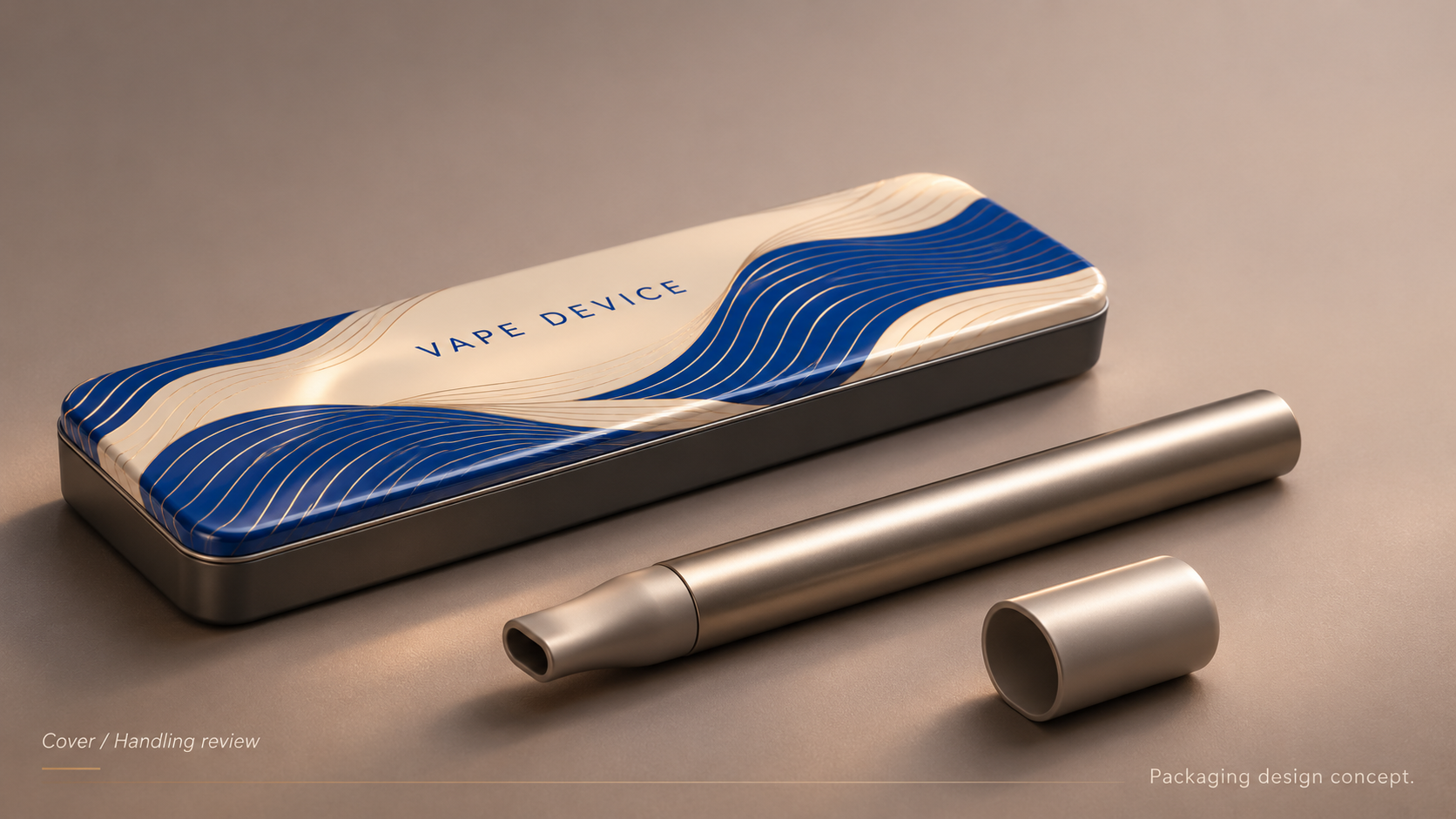

Review the stage at which contact matters, not only the resting display. Identify the intended protected region and support surfaces using the actual product reference. A gap observed in one view is not evidence of cleanliness, hygiene or safety, and this tool establishes none of those conclusions.
Choose the next question from the observed conflict
If a cover belongs in the retail pack, include it in the reviewed form. If contact appears during insertion or removal, compare the route and orientation rather than only enlarging the cavity. If no contact anywhere is requested, ask the product owner to reconcile that instruction with the intended support arrangement. Technical and material conditions remain separate reviewer decisions.
| Situation | Next question or route | Limit |
|---|---|---|
| Covered retail configuration | Review it with the actual cover | Uncovered photograph represents another state |
| Movement-stage contact | Compare entry/exit route | Resting gap alone does not answer it |
| Protected and support regions unclear | Mark both on the product reference | No universal no-contact geometry is prescribed |
Identify the surface and the reason
Terms such as keep the top clean are too vague for a drawing discussion. Mark the mouthpiece or other protected surface on the actual product reference. Explain whether the concern is appearance, contact with insert material, handling during packing or preserving an existing protective cover. Different concerns may require different packaging and process responses.
Examine more than the upright display
A product may look separated from the insert when displayed but approach another surface during placement or removal. Review how it enters the cavity and how the package is handled before consumer opening. Describe the observations and the conditions used. Do not turn an informal handling check into a validated transport or contamination result.
Coordinate with existing covers
A sleeve or cap changes the product envelope and may become the surface the insert locates against. Obtain that component with the sample rather than adding its expected thickness to a drawing without confirmation. If the cover is removed for display photography, label the image accordingly so that operations does not mistake it for the approved packing configuration.
| Review item | Information to retain |
|---|---|
| Area | Marked surface and protection intent |
| Configuration | Cover or wrapping reference |
| Handling | Placement and removal observations |
| Evidence | Material and process questions outstanding |
Use a project-specific worksheet
Record actual references and the observed task. Use the proposed options as questions for review, not as established engineering solutions. Keep technical evidence and acceptance responsibility visible.
| Field | Project input |
|---|---|
| Device ref | [Actual reference or unresolved question] |
| cover ref | [Actual reference or unresolved question] |
| protected region | [Actual reference or unresolved question] |
| support region | [Actual reference or unresolved question] |
| contact stage | [Actual reference or unresolved question] |
| proposed change | [Actual reference or unresolved question] |
Does a gap prove hygiene?
No. Clearance and hygiene are different claims with different evidence needs.
Should the cover be included in the sample?
Yes, when it forms part of the intended packed configuration.